
Minneapolis Institute of Art
The museum is a recognizable Whittier-area map reference that helps distinguish nearby addresses when planning access from surrounding streets.

Mold Inspection and Testing in Whittier is an indoor environmental assessment that checks moisture conditions and collects targeted samples when growth or exposure questions need testing. Minneapolis Mold Testing works throughout Whittier's mix of historic homes, apartment buildings, and multi-unit properties, where shared plumbing and basement spaces can complicate a moisture investigation. We inspect the area you are concerned about, follow moisture clues beyond the visible stain, and explain what the findings mean in plain terms.
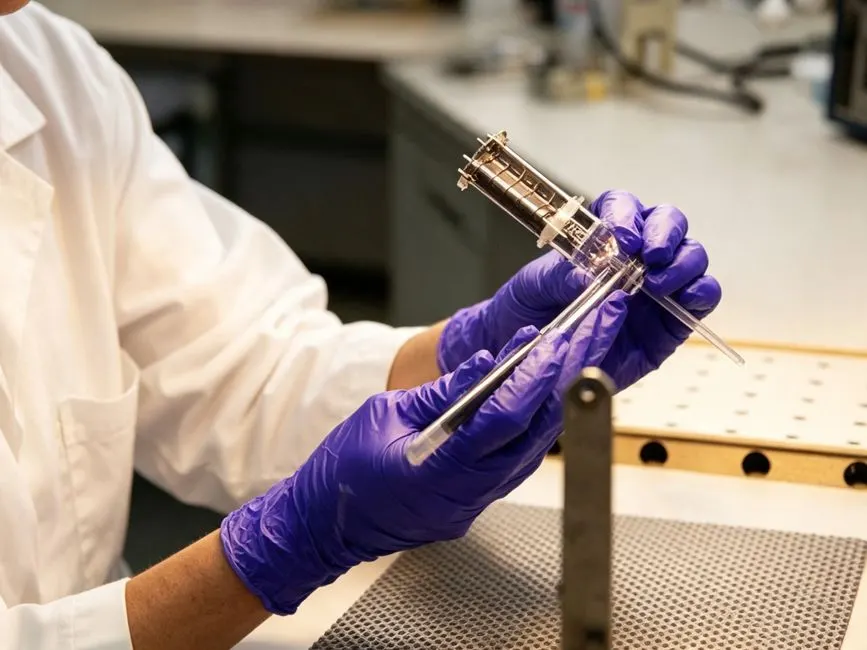
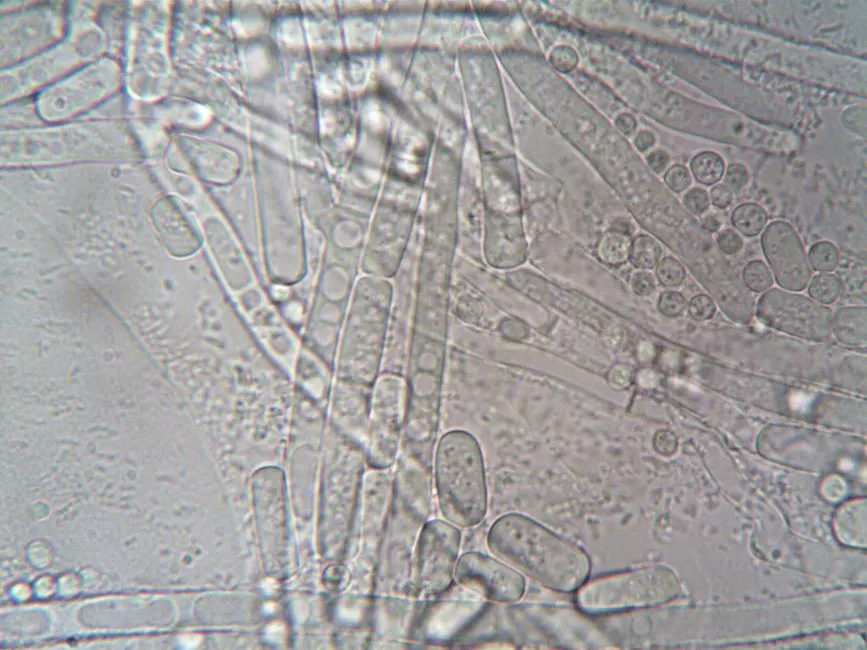
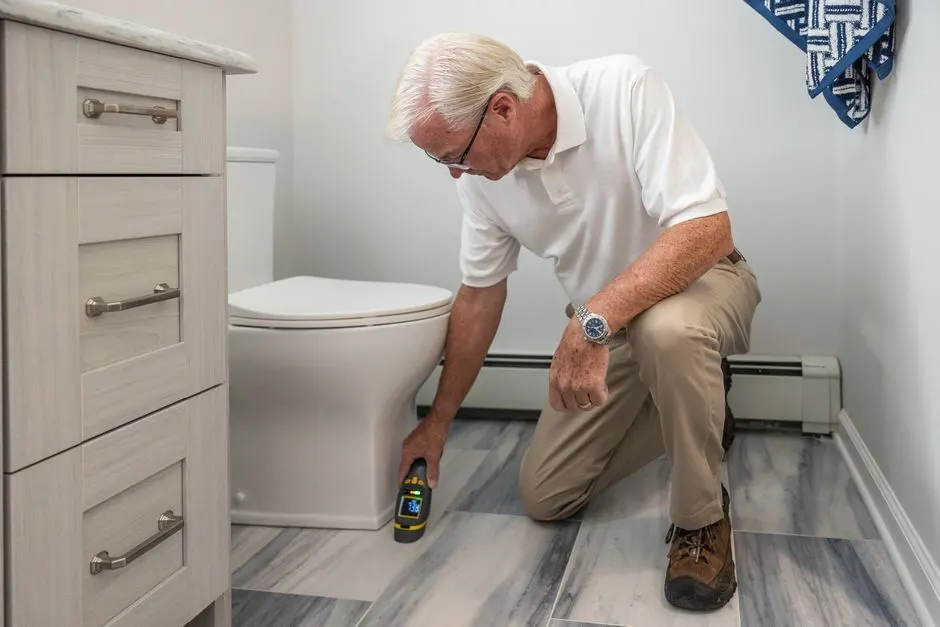
Our Mold Inspection and Testing Whittier MN service is built around the actual structure, not a preset sampling count. A moisture meter helps compare suspect materials with nearby dry areas; a thermal imaging camera can identify temperature patterns that warrant closer inspection, but does not prove mold by itself. If samples are appropriate, we use controlled collection methods and submit them to an environmental laboratory. You receive findings tied to the rooms and materials inspected.
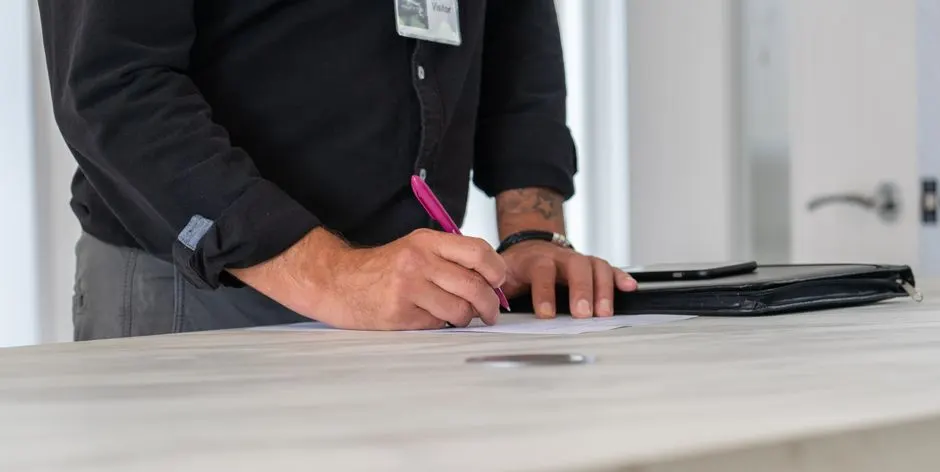
From Lowry Hill East and Lyndale to homes near the Minneapolis Institute of Art, we account for occupancy, access, and building age. We serve Whittier in Hennepin County and nearby Minneapolis neighborhoods. Whether you are buying, managing a rental, or tracing a leak, we help you choose a useful next step.
Whittier's dense housing means an inspection often has to account for adjoining units, shared plumbing, and a resident's schedule as well as the affected room. If you are searching for mold inspection and testing near me in Whittier MN, we can assess visible growth, moisture clues, and areas that merit further investigation. We explain when sampling is useful and when a moisture-focused inspection is the better first step. From a single bathroom to a multi-unit building, the work is tailored to the question you need answered.








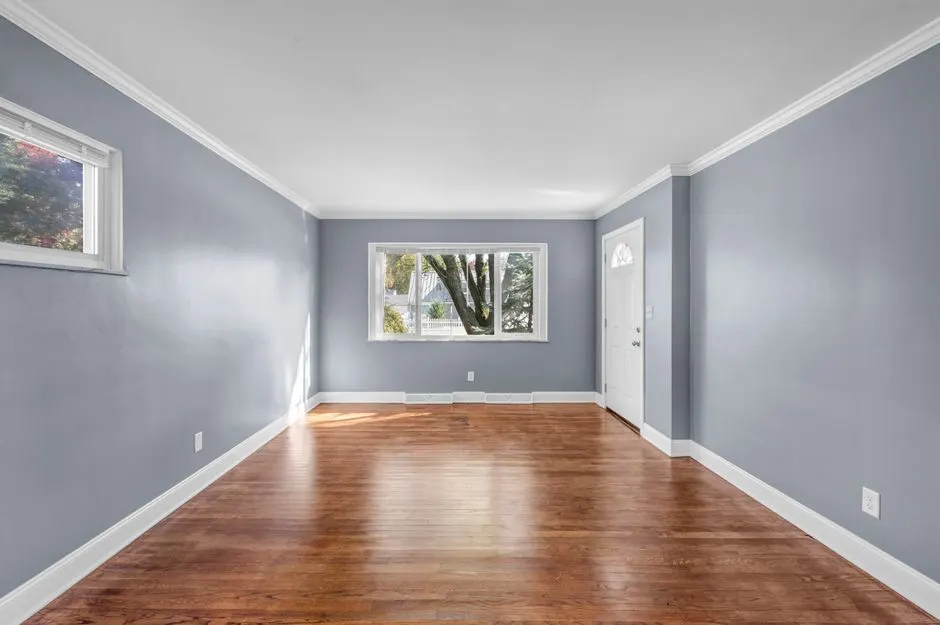
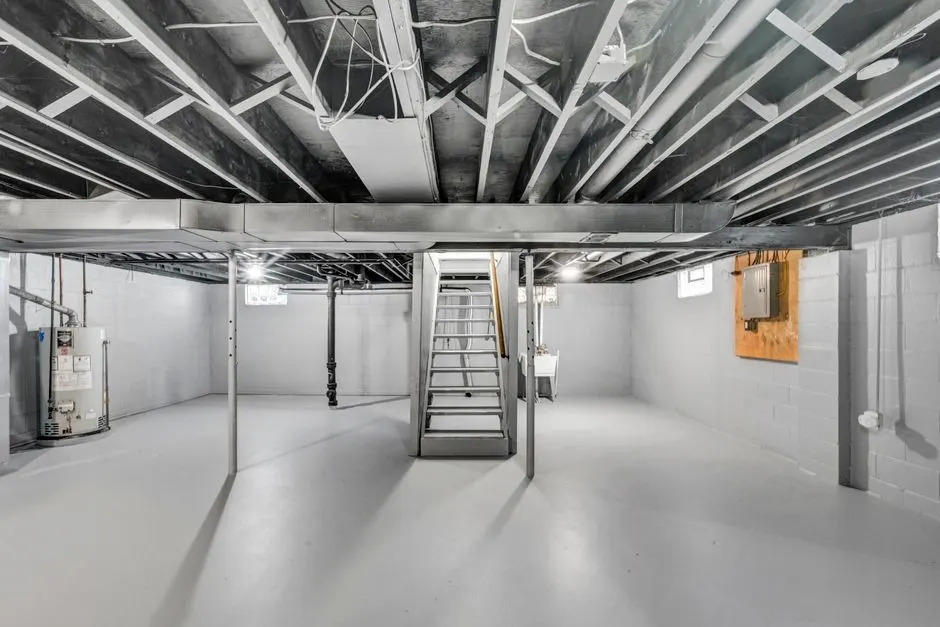
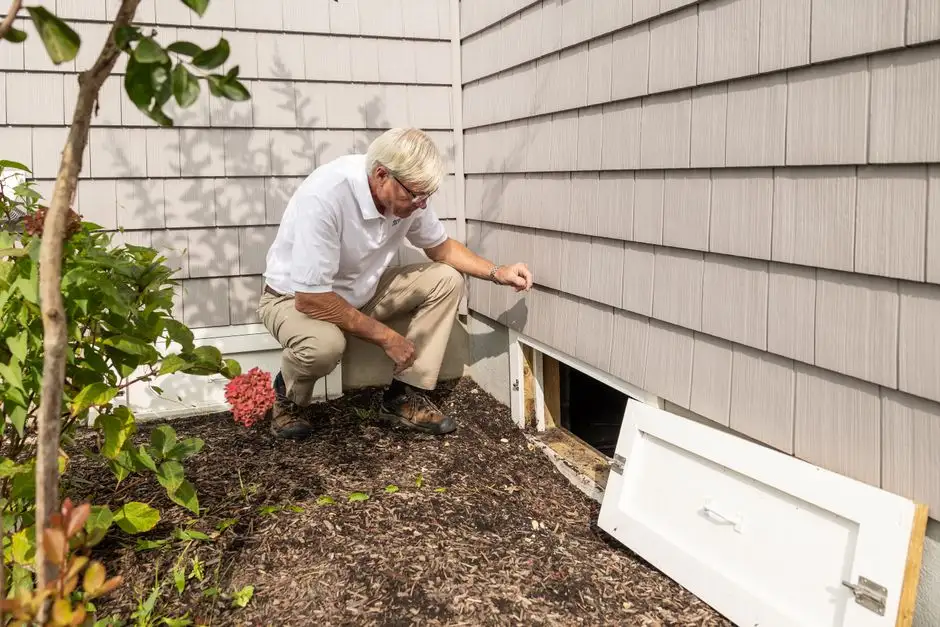
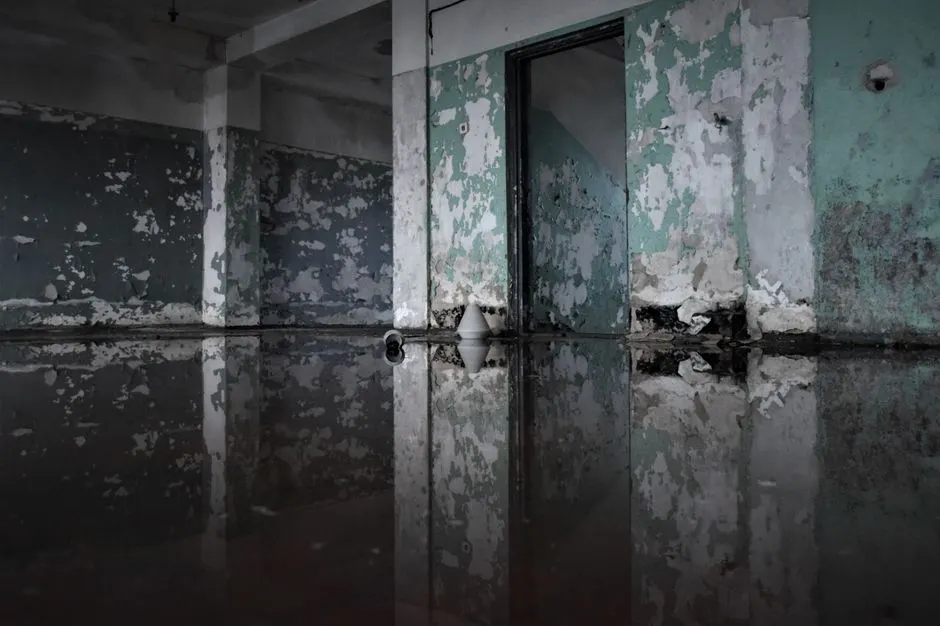

Whittier's dense housing and older building materials call for careful moisture investigation, not assumptions based on one stain. Shared plumbing, masonry basements, older window assemblies, and roof details create different pathways into a building. Minnesota's cold winter conditions can bring condensation at windows and cold surfaces, while spring thaw and heavy rain can reveal basement water intrusion. Whittier mold inspection and testing accounts for those building conditions and checks whether materials are currently damp. We record what is observed and separate likely moisture sources from laboratory findings.
Cold glass and frames can meet warm indoor air, allowing condensation to collect on the surface. In older Whittier homes and apartments, recurring wetting may mark paint or nearby trim. The visible stain still needs context: a roof or exterior leak can leave a similar pattern.
Water may enter at a foundation edge, through a plumbing leak, or during a period of heavy precipitation. Older basement finishes and stored belongings can hide the extent of dampness. Odor alone cannot identify the source, so the surrounding materials matter.
A slow leak inside a shared wall can travel away from the pipe before it becomes visible. In high-density Whittier housing, residents may notice stains at different times, while a manager needs coordinated access to understand whether the issue is limited to one unit.
A compromised roof detail can admit water during rain or snowmelt, and staining may appear below the actual entry point. Older roof and attic assemblies can also show condensation-related patterns, so a single mark does not establish cause.
Call for an inspection when you find visible growth, a persistent musty odor, recurring stains, or damp materials after a leak. In Whittier's older homes and apartments, the visible area may not match the full moisture path, particularly near shared plumbing, windows, roofs, and basement spaces. If you need residential mold assessment in Whittier MN, we start with the condition you can see and check nearby materials for clues. Prompt inspection is especially useful before repairs cover an affected surface.
Musty odor returns after cleaning
A recurring odor can indicate damp material or growth outside the area you cleaned. In an apartment, the source may sit near a shared wall or plumbing chase; in a home, check adjacent rooms and basement areas. Arrange an inspection if the smell persists or returns after ventilation.
Dark spots spread across a bathroom ceiling
Spots that return after cleaning or painting deserve a moisture check, particularly around a ceiling below plumbing or near an exterior roof line. The mark's color does not identify the material. We inspect the surface and surrounding area, then recommend sampling only if it answers a useful question.
Window frames stay wet on cold mornings
Condensation on cold surfaces is common in winter, but repeated wetting can damage finishes and support growth. Note which windows are affected and whether staining extends onto trim or wall surfaces. We check moisture conditions and help distinguish condensation patterns from a separate leak clue.
Basement wall stains follow water entry
A stain after basement water intrusion can mark damp masonry, wet finishes, or an older event. If materials remain wet or the odor continues, an inspection helps map the affected area before repairs conceal it. Keep stored items away from the wall so it can be checked.
Roof leak leaves attic discoloration
A roof leak can wet sheathing, framing, or insulation beyond the ceiling stain below. Attic discoloration after rain or snowmelt needs a moisture check, especially if it is expanding or feels damp. We document accessible conditions and identify where a roofer's inspection should follow.
Whittier is easy to orient around familiar cultural and neighborhood destinations. We use the Minneapolis Institute of Art and Children's Theatre Company as map references when confirming nearby streets, not as claims about service work at those venues. Eat Street provides a clear corridor reference for addresses along Nicollet Avenue. Stevens Square Park and MCAD help distinguish nearby blocks when property entrances or apartment addresses are easy to confuse. Before the visit, we confirm the address, unit, and best entrance with you.
The museum is a recognizable Whittier-area map reference that helps distinguish nearby addresses when planning access from surrounding streets.
The theater provides a familiar orientation point in Whittier, useful for confirming an address near the area's cultural institutions.
The park is a neighborhood landmark for locating nearby streets and distinguishing the Steven's Square area during address planning.
The Minneapolis College of Art and Design is a recognizable local reference point when confirming directions to properties in the surrounding area.
Plus surrounding Hennepin County neighborhoods, with same-day routing on most appointments.
Averaging 4.9 / 5 across verified reviews.
“We had a damp basement smell and could not tell whether the old wall stain was still active. The inspector checked several points, explained what the moisture readings did and did not mean, and gave us a clear sequence for addressing the water issue. The visit took about two hours, and the findings were easy to share with our repair contractor.”
Maya R.
Whittier
“Our apartment bathroom stain came back after painting, so the property manager arranged an inspection. The technician checked the ceiling and shared-wall area instead of only looking at the spot. We appreciated that the sampling decision was explained before anything was collected, and the written location notes helped us understand what needed repair.”
Daniel K.
Steven's Square
“We were buying an older home and wanted the attic and basement checked. The inspector pointed out roof staining, took moisture readings, and separated active concerns from marks that looked older. We left with practical next steps rather than a vague warning. Scheduling and access were straightforward, and the report made it easier to talk with the seller.”
Erin L.
Lyndale
In November and through winter, condensation around older windows and roof leaks are timely concerns for Whittier buildings. Cold surfaces can collect moisture indoors, and snow or ice conditions can complicate roof access. Spring thaw can expose basement water entry; summer humidity can slow drying; fall rain can reveal roof and window weaknesses. If you are considering mold testing after water damage in Whittier, Minnesota, arrange a moisture assessment once the leak is controlled. Seasonal context helps interpret readings, but it does not replace checking the materials.
Thaw and spring rain can reveal basement seepage, damp foundation edges, or staining that was less visible during winter. Stored belongings may conceal affected materials, while old water marks can look similar to active intrusion.
Tip: Move boxes away from suspect walls and note when water appeared. We can compare damp areas with nearby materials and document which sections need drying or repair.
Warm, humid periods can leave basements feeling damp and slow the drying of materials after a leak. In multi-unit buildings, a plumbing issue can remain hidden until an odor or stain becomes noticeable in a neighboring room.
Tip: Keep a record of leak timing and affected rooms. If a dehumidifier is running, tell us; that context helps interpret current moisture readings.
Fall rain can expose roof leaks, window gaps, and basement water entry before colder weather arrives. A stain that appears after rain deserves attention, especially if it grows or the material remains damp.
Tip: Check attic access and clear belongings around basement walls before an inspection. Report recent roof or plumbing work so we can connect visible changes to the repair history.
Winter condensation on older windows and cold surfaces is a common Whittier building concern. Roof leaks and attic moisture can also show up as ceiling stains, while freezing conditions can restrict safe exterior access.
Tip: Photograph recurring wet window trim and note when condensation occurs. We check the affected materials and accessible indoor clues, then identify any exterior inspection that should wait for safe conditions.
Whittier sits within a connected Minneapolis service area, so we can coordinate inspections across nearby neighborhoods while keeping each visit specific to its property. The same moisture question can look different in a downtown apartment, a North Loop commercial space, or a Whittier basement. We use the address, building type, and access needs to plan the right inspection rather than treating the region as one uniform housing stock.
(City)
Downtown Minneapolis is just north of Whittier, with a short cross-neighborhood trip for inspections and property access.
View Downtown Minneapolis(City)
North Loop lies northwest of Whittier; customers and property managers can arrange service across these nearby Minneapolis districts.
View North Loop(City)
Northeast Minneapolis is across central Minneapolis from Whittier, within the same broader local service region.
View Northeast Minneapolis(City)
The Mill District is east of Whittier near downtown, making it a neighboring service area for city properties.
View Mill District(City)
Loring Park borders the central area near Whittier, with nearby addresses served through the same Minneapolis scheduling routes.
View Loring Park(City)
Uptown is southwest of Whittier and connects to the same central Minneapolis inspection service area.
View UptownReal answers from our team for the questions we hear most often before a job starts.
A recurring odor, damp basement, or ceiling stain deserves a clear answer before you cover or repaint it. Minneapolis Mold Testing serves Whittier homes, apartments, and businesses with moisture assessment and targeted sampling when needed. Call +18668968166 to discuss the affected area and arrange your inspection. We will help you identify the next practical step for your property.
Call Minneapolis Mold Testing at +1 866-896-8166 to describe the affected room, recent water events, and any odor or visible growth. Our office hours are Monday through Friday, 8:00 a.m. to 6:00 p.m.; we respond during those hours to arrange the next practical step. We serve Minneapolis, Minnesota, including Hennepin County neighborhoods and nearby ZIP codes.
Phone
+18668968166Address
Minneapolis, Minnesota
Hours
Mon–Fri: 7AM – 7PM
Sat: 8AM – 4PM
Sun: Emergency Only
24/7 Emergency Available