
Concern and Site Review
We document the room, odor, leak history, and visible changes that brought you to testing. A focused review helps us select relevant inspection points and avoid collecting samples without a clear purpose.
Mold Testing and Sampling Minneapolis MN includes a focused discussion, inspection of accessible areas, moisture checks, targeted collection when appropriate, laboratory submission, and a review of findings. Sample count and type depend on the concern and site conditions. We explain the planned work and price before collection. Opening walls, remediation, and repairs are separate work; testing documents conditions and supports decisions but does not remove mold or correct a leak.
We document the room, odor, leak history, and visible changes that brought you to testing. A focused review helps us select relevant inspection points and avoid collecting samples without a clear purpose.
We check suspect materials and nearby areas with appropriate moisture tools, recording readings where useful. These checks help distinguish a dry stain from an active dampness concern and guide targeted sample placement.
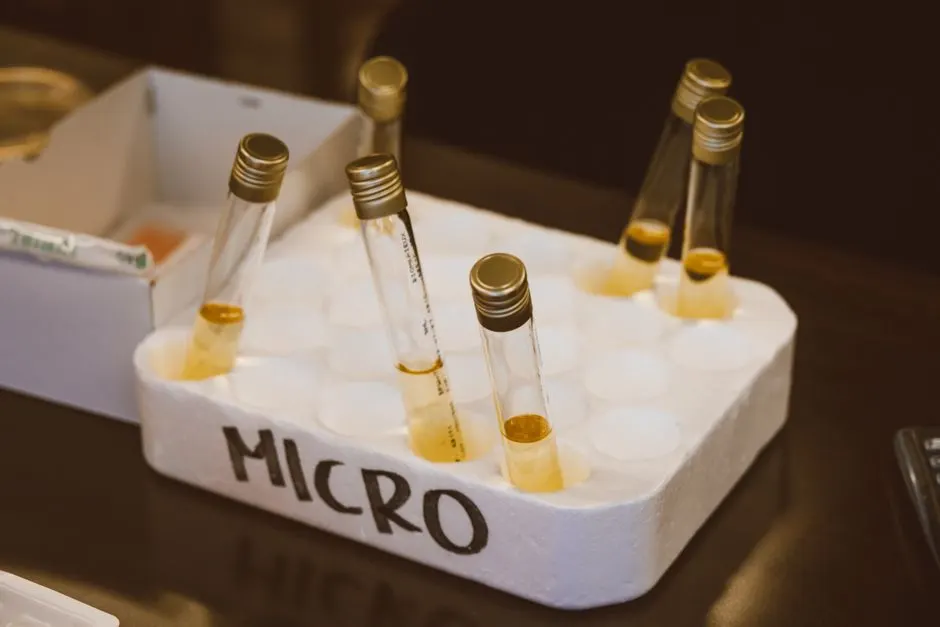
Depending on conditions, we collect air through a spore trap cassette or material with a sterile swab or tape-lift slide. Each sample is labeled with its location so results remain connected to the property.
Samples are packaged and submitted for the selected laboratory analysis. The resulting report describes the submitted material or air sample; it does not automatically represent unsampled rooms or concealed spaces.
We explain the findings alongside inspection notes and moisture observations, then discuss practical next steps. You leave understanding what the sampling answered, what it did not answer, and which moisture issue needs attention.
Mold Testing and Sampling Minneapolis MN is an indoor environmental testing service that evaluates suspected mold and collects samples when evidence is needed to guide a decision. We start with the reason for the visit, inspect accessible rooms and materials, and use moisture readings to help locate dampness. Depending on conditions, we collect an air sample, a surface sample, or both. Samples go to a laboratory for analysis; results are interpreted alongside the inspection, not treated as a stand-alone diagnosis. That distinction matters: a sample can document what was present at a location and time, but it cannot identify every hidden source.
Minneapolis homes face seasonal moisture stress: winter condensation on cold surfaces, spring basement water intrusion, and roof leaks or attic moisture after storms. In older houses and multifamily buildings, a musty odor can persist even when visible growth is limited. Our mold sampling services in Minneapolis combine inspection notes with targeted collection, so you are not paying for samples that do not address your concern. If you are looking for professional mold sampling after water damage Minneapolis MN, testing is most useful after the leak is controlled and the affected area is ready to assess.
Mold Testing and Sampling Minneapolis MN follows a straightforward sequence from concern to documented findings. We first hear what you have noticed, then inspect and collect only where it serves the question. Most site visits take about 1 to 3 hours, depending on access, rooms, and sample count; laboratory turnaround is separate from onsite time.
Schedule
Call or book online — a real human picks up and confirms a 2-hour arrival window.
Diagnose
Licensed tech inspects on-site, then walks you through the cause and your options.
Fix
The job is completed to code and done right the first time — no shortcuts, no surprises.
Guarantee
Every job backed by a written workmanship warranty — and we stand behind it.
Pinless moisture meter
Screens accessible materials for moisture without leaving probe holes. We compare readings across suspect and nearby areas to guide closer inspection, not to diagnose mold by itself.
Thermal imaging camera
Shows surface temperature patterns that can help locate areas for further checking. A thermal image is not a mold detector; we verify patterns with moisture checks and direct observations.
HEPA air sampling pump
Draws a measured volume of air through a spore trap cassette. The sample is labeled with its room and collection details for laboratory analysis and interpretation.
Surface sampling swabs
Collect material from a selected surface for laboratory examination. We use a sterile swab when the question concerns a localized patch or residue and document the exact collection area.
Air-O-Cell cassette
A spore trap cassette used with an air sampling pump to collect airborne particles. It provides a sample of air at a specific place and time, not a complete measure of every room.
Visual and moisture-led inspection
We begin with the reported concern, inspect accessible surfaces, and follow visible evidence such as staining, condensation, or water marks. Moisture readings help prioritize suspect materials. This method establishes where sampling may add value and keeps observations separate from laboratory conclusions.
Targeted air sampling
We position the pump in a selected room and collect air through a spore trap cassette for a measured period, recording the location and conditions. When useful, a comparison sample can provide additional context. We explain that results represent the sample conditions at collection time.
Localized surface sampling
We collect from a defined patch with a sterile swab or tape-lift slide, using clean handling practices and labeling the exact location. Surface results describe the sampled material; they do not prove that other areas are affected. This is useful when visible residue needs laboratory characterization.
Contextual laboratory review
We interpret laboratory findings alongside sample type, location, moisture readings, and inspection notes. A result is not treated as a pass-or-fail verdict for the whole property without an agreed protocol. We discuss limitations and translate findings into practical next steps for the affected area.
01
What we do: We inspect the basement perimeter, check affected materials for moisture, and identify whether seepage or another dampness source is present. A targeted surface or air sample is collected only if it helps answer the homeowner's question. We document sample locations and explain the report in relation to the water history.
→ You can distinguish a localized material concern from a broader moisture issue and prioritize water control before cosmetic repairs.
02
What we do: We check the window assembly and nearby trim, looking for dampness and staining. A pinless moisture meter helps screen the surrounding materials; a sample can document a selected suspect area. We also discuss condensation and leak evidence so the cause is not confused with the laboratory result.
→ You receive location-specific findings and a clearer repair path for the window area, with follow-up testing considered only if the evidence calls for it.
03
What we do: We inspect the affected room and relevant adjacent surfaces, record moisture conditions, and select sampling points tied to the reported odor. The report is reviewed with the manager so findings can be connected to maintenance history and any prior cleanup. We keep the investigation focused on the reported unit and evidence.
→ The manager gets documented observations to guide maintenance and communicate a specific next step rather than relying on repeated cleaning alone.
Mold Testing and Sampling Minneapolis MN must account for a climate with long heating seasons, humid summers, freeze-thaw transitions, and spring precipitation. In winter, warm indoor air meeting cold windows or exterior walls can create condensation; in spring, basement water intrusion and roof leaks can leave materials damp. Older Minneapolis homes often have stone or block foundations, finished basements, and attic assemblies that need careful, accessible inspection. Our mold sampling company near Minneapolis approach starts by tracing the concern to a likely moisture path, then selecting samples that answer a defined question. We do not treat a thermal image or one air sample as proof of hidden growth. If you need mold sample analysis for indoor spaces Minneapolis, we document where and how each sample was collected and connect the lab report to observed conditions. We serve Hennepin County neighborhoods and discuss Minnesota Department of Health mold guidance when cleanup decisions arise. Testing supports a sound plan; stopping water and drying affected materials remain essential.
Northeast Minneapolis
Older homes and finished basements can show seepage or recurring dampness; we check the reported area and nearby materials before selecting samples.
North Loop
Multifamily buildings and window assemblies can develop localized leaks or condensation; sample locations are tied to the unit and affected surface.
Uptown
A mix of older houses and apartment buildings presents varied ventilation and moisture conditions, so inspection points follow the property rather than a preset checklist.
Longfellow
Basement and roof-water concerns call for moisture checks around the reported area and practical documentation of any targeted collection.
Winter condensation on cold windows and exterior wall surfaces
Repeated condensation can wet paint, trim, or adjacent materials. We check the affected area and room conditions, then distinguish a moisture pattern from evidence that requires targeted sampling.
Spring basement water intrusion after thaw and heavy precipitation
Water can affect stored belongings, finished walls, and floor edges before visible growth appears. We document accessible moisture and collect samples only when they help answer a defined concern.
Roof leaks and attic moisture during seasonal weather changes
A roof leak or ventilation issue can leave localized staining on sheathing or insulation. We inspect accessible evidence, note moisture conditions, and explain whether a surface sample adds useful information.
A lab report is only useful if it addresses the problem in front of you. We connect sampling to visible conditions, moisture clues, and the history of the room so you can separate an active concern from an unexplained stain. Our focus is a clear finding and a sensible next action.
Problem
Ignoring the odor can leave a moisture source unaddressed, allowing damp materials or concealed growth to continue affecting the room.
Our Fix
We inspect likely moisture paths, check accessible materials, and use targeted sampling when it can clarify the concern. If the evidence points toward a concealed area, we explain where additional investigation may be useful instead of claiming that an air sample identifies every hidden source.
Problem
Recurring spots can signal continued condensation, a small leak, or damp material beneath the visible surface; cleaning alone may not stop the cycle.
Our Fix
We document the affected surface and surrounding conditions, then check moisture and ventilation clues. Surface sampling can characterize material at the selected location. We help you identify the likely moisture pathway so repairs address the cause rather than repeating cosmetic treatment.
Problem
Without a record of affected materials and moisture conditions, decisions about drying, repair, and cleanup can be based on appearance alone.
Our Fix
We inspect after the water source is controlled, map accessible dampness, and collect samples if they answer a specific question. Our professional mold sampling after water damage Minneapolis MN approach ties results to the event and site observations, giving you useful documentation for next steps.
Problem
Unclear reports can prolong a transaction or maintenance dispute and make it difficult to prioritize a repair or further investigation.
Our Fix
We record the reported location, visible signs, and moisture readings, then choose sampling based on the question. The report review explains which areas were tested and what the findings establish, helping owners, tenants, and buyers discuss the same documented conditions.
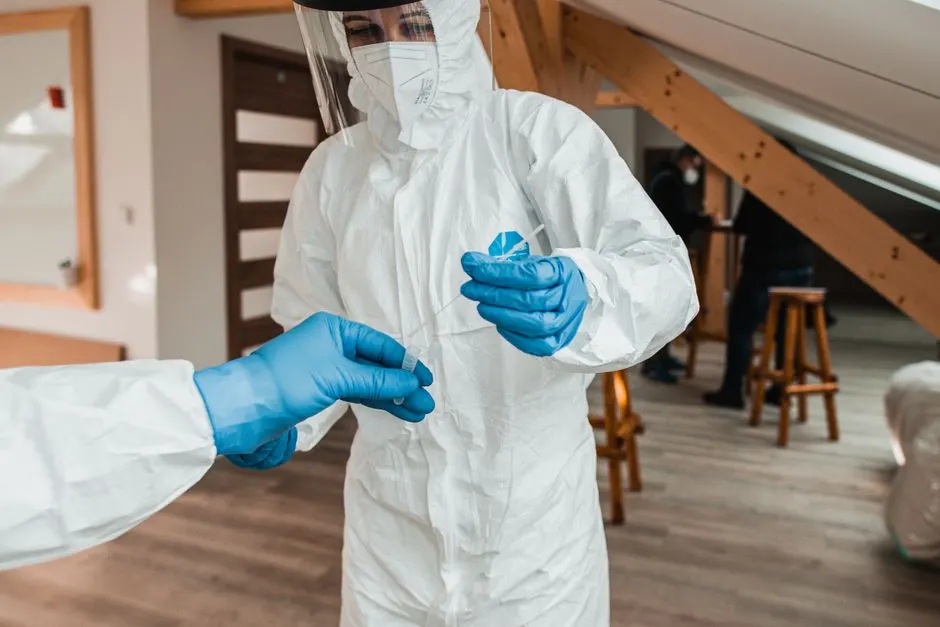
Mold sampling is most valuable when it answers a defined question about a room, material, or cleanup. We explain what we inspect, why a sample is appropriate, and how to read the laboratory report. You get observations tied to the property, not a number without context.
Targeted Sample Locations
We choose sampling points based on visible growth, moisture readings, odor, and the building layout. A bedroom with a leaking window, for example, calls for a different approach than a basement after seepage. This keeps your Minneapolis mold sample collection focused and makes the results easier to connect to the condition you reported.
Moisture Clues Included
A moisture meter and hygrometer help us check damp materials and room conditions before selecting samples. We record findings near the affected area rather than relying on a single reading. That context can help distinguish an active moisture problem from old staining and direct attention toward the repair that matters.
Lab Results Explained
You receive findings with an explanation of sample type, collection location, and what the results do and do not establish. We discuss observed conditions in plain language, including whether the next useful step is moisture correction, further investigation, or cleanup. A laboratory report is useful when it is connected to the room and concern.
Support for Decisions
Testing can help homeowners compare conditions before and after remediation, buyers document a concern before closing, and property managers respond to tenant reports. We use the evidence to help you decide what action fits the situation. Results are not a substitute for repairing leaks or removing damaged material.
Customer feedback Not stated
Our Minneapolis basement had a musty odor after water came in near the wall. The inspector checked moisture in several spots, explained why one sample was enough for the question, and reviewed the lab report with us. We knew what to repair before closing the wall.
Customer feedback Not stated
The team tested a stained area by our Uptown window after a leak. They showed us where the sample came from and explained the limits of the result. The written location notes helped us talk with the contractor about the right repair.
Customer feedback Not stated
We manage a rental in Minneapolis and needed to follow up on a tenant's odor report. The inspection and sampling were focused on the affected room, and the findings were explained in plain terms. We had a practical maintenance direction instead of another round of surface cleaning.
Our local experience comes from evaluating the conditions that make Minneapolis properties vulnerable: freeze-thaw cycles, humid summers, basement seepage, and poorly vented attic spaces. We use a measured approach rather than treating every dark mark as mold. Training such as the IICRC Applied Microbial Remediation Technician course and EPA Mold Course Certificate informs safe work practices, while laboratory analysis provides sample-specific data. We explain the limits of testing clearly, because the right decision depends on inspection context, moisture history, and the question you need answered.
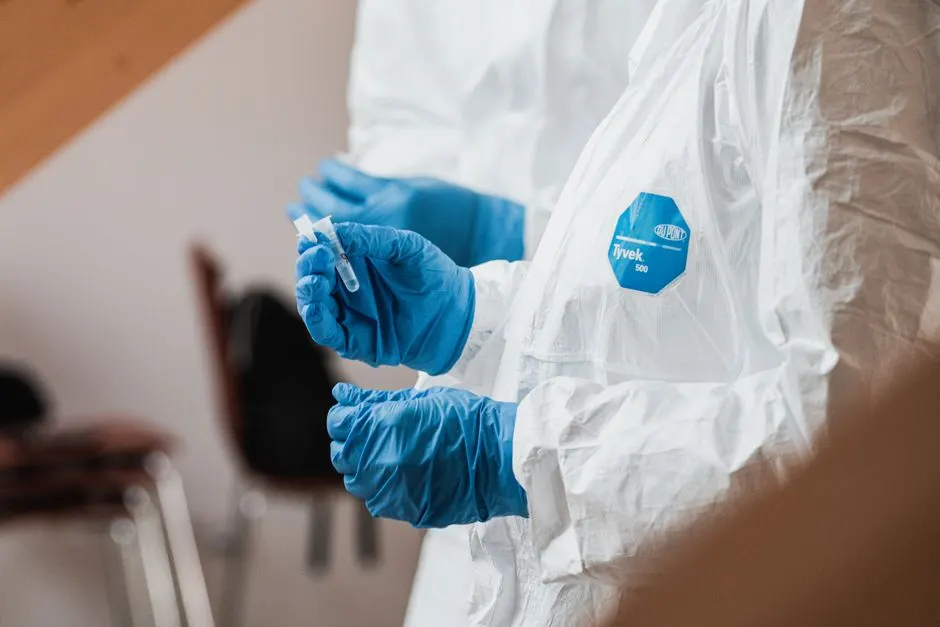
Real answers to the questions we hear most often from local homeowners and property managers.
A residential inspection checks rooms and accessible building materials for visible growth, moisture, and likely sources. Pairing it with targeted sampling helps Minneapolis homeowners investigate recurring odors or a specific room without assuming one sample represents the whole house.
View Residential Mold InspectionCommercial inspections assess occupied spaces, maintenance conditions, and areas affected by leaks or HVAC concerns. Sampling can document a defined workplace or tenant concern, with locations selected to fit the building layout and the question being investigated.
View Commercial Mold InspectionAir testing collects airborne particles through a calibrated sampling setup for laboratory review. We use it when conditions and the question support an air sample, then interpret the result alongside room observations, moisture findings, and any outdoor comparison collected.
View Air Quality Testing for MoldSurface testing uses a swab or tape-lift sample from a specific area of suspected growth or residue. It can help characterize material at that location, but it does not establish conditions behind walls or throughout an entire Minneapolis property.
View Surface Mold TestingAn indoor air quality assessment considers moisture, ventilation, occupant concerns, and other relevant indoor conditions. Mold sampling may be one component when evidence supports it; the broader assessment helps distinguish a mold question from a general comfort or ventilation issue.
View Indoor Air Quality AssessmentThis assessment focuses on where water is entering or accumulating, including basements, windows, and plumbing areas. Moisture mapping helps us choose whether samples are useful and directs attention to repairs that prevent recurring mold after cleanup.
View Mold and Moisture AssessmentCall Minneapolis Mold Testing at +1 866-896-8166 to describe the affected room, recent water events, and any odor or visible growth. Our office hours are Monday through Friday, 8:00 a.m. to 6:00 p.m.; we respond during those hours to arrange the next practical step. We serve Minneapolis, Minnesota, including Hennepin County neighborhoods and nearby ZIP codes.
Phone
+18668968166Address
Minneapolis, Minnesota
Hours
Mon–Fri: 7AM – 7PM
Sat: 8AM – 4PM
Sun: Emergency Only
24/7 Emergency Available