Logo
Get Estimate

Surface Mold Testing Minneapolis MN for Clear Answers

Identify surface growth and pinpoint the moisture behind it


Surface Mold Testing Minneapolis MN gives homeowners, property managers, and buyers evidence about suspected growth on a specific material. We collect a suitable surface sample, document its location, and connect the result with moisture conditions rather than treating a lab finding as a complete building diagnosis. If you see staining, smell a musty odor, or have recurring growth after a leak, our Minneapolis team can help you decide what needs attention next.

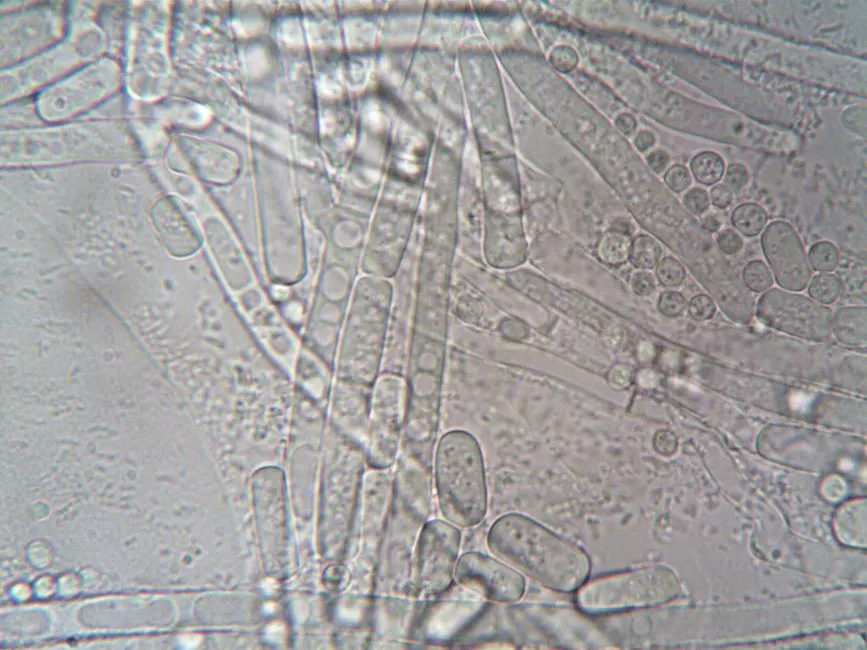
Close-up image of fungal hyphae under microscope showcasing biological structures.
Licensed Licensed & Bonded
Fully Insured Insured & Bonded
24/7 Emergency Same-Day Response
Warranty Backed Workmanship Guaranteed in Minneapolis

What Surface Mold Testing Includes

Our service covers a focused inspection of the reported area, selection of an appropriate collection method, sample documentation, and an explanation of laboratory findings. We also check relevant moisture conditions so the result has building context. If you need air testing, concealed-space access, or a broader property investigation, we explain how those services answer different questions rather than treating them as part of a surface sample.

Targeted Surface Review

We examine the selected material and surrounding area for visible changes, dampness, and signs of previous cleanup. Photographs and location notes tie the sample to the correct room and surface, giving you a useful record of what was evaluated.

Appropriate Sample Collection

We choose sterile swabs or tape-lift slides based on the surface and sampling objective. Clean handling and labeled collection points help keep samples distinct, especially when more than one area is tested during the same visit.

Moisture Context

We check relevant materials with a moisture meter and consider visible pathways such as plumbing leaks, basement water intrusion, or condensation. These observations help explain why growth may have appeared and whether the source needs attention.

Laboratory Result Review

We connect the laboratory report to the sampled material and location, then explain the limits of the finding. A surface result describes the submitted sample; it does not automatically establish the condition of unseen cavities or every room.

Practical Next Steps

You receive a plain-language discussion of whether the evidence supports monitoring, moisture correction, further investigation, or remediation planning. We identify the next useful action rather than leaving you to interpret technical terminology alone.

Surface Mold Testing Minneapolis MN Explained


Surface Mold Testing Minneapolis MN is a building-material sampling service that identifies mold present on a selected surface when visible growth or a suspected contamination source needs laboratory evaluation. We inspect the area, select a collection method, and take a swab or tape-lift sample using clean handling practices. The sample goes to a laboratory for analysis, and the findings are interpreted alongside the material, room conditions, and moisture readings. A positive result describes the submitted sample; it does not, by itself, establish the size of a problem or prove that every area is affected.

Minneapolis homes and commercial buildings face a mix of winter condensation, spring thaw, summer humidity, basement water intrusion, and roof leaks. Those conditions can leave growth on drywall, wood, masonry, or window trim, while hidden moisture remains behind the visible mark. Our mold surface testing Minneapolis MN service helps you document a specific concern after a leak, before repairs, or when growth returns after cleanup. For a focused question such as how to test visible mold on a wall in Minneapolis, we pair surface collection with moisture and site observations.

What To Expect During Sampling

Surface Mold Testing Minneapolis MN starts with the question you need answered and ends with a clear explanation of the findings. We keep the visit focused: inspect the area, choose an appropriate collection method, protect the sample from cross-contamination, and document the context. A typical single-room field visit takes about 1 to 2 hours; larger or multi-area properties take longer.

01

Schedule

Call or book online — a real human picks up and confirms a 2-hour arrival window.

02

Diagnose

Licensed tech inspects on-site, then walks you through the cause and your options.

03

Fix

The job is completed to code and done right the first time — no shortcuts, no surprises.

04

Guarantee

Every job backed by a written workmanship warranty — and we stand behind it.

Sampling Tools And Field Methods

Tools & Equipment

Surface sampling swabs

Sterile swabs collect material from suitable surfaces, including textured or irregular locations. We label each sample and keep collection materials clean between points to preserve the connection between the result and the sampled area.

Tape-lift sampling slides

Tape-lift slides collect material through direct contact with an appropriate dry surface. They are useful on selected painted or relatively smooth materials when contact sampling fits the question and will not damage the finish.

Pinless moisture meter

A pinless moisture meter checks for moisture patterns in compatible building materials without inserting probes. Readings help us decide whether a sampled surface may be connected to an active or recent moisture condition.

Thermal imaging camera

A thermal imaging camera shows surface temperature patterns that can point to areas needing closer inspection. It does not identify mold or confirm moisture by itself; we verify relevant findings with direct observations and other tools.

Hygrometer

A hygrometer records relative humidity and temperature at the time of inspection. Those readings help interpret condensation risks, particularly near cold windows, exterior walls, and basement areas during Minneapolis weather changes.

Methods & Standards

Targeted surface collection

We select a sample point that directly addresses your concern, such as a visible patch, recurring stain, or post-cleanup area. The technician records the material and location, uses the suitable collection method, and prevents samples from contacting unrelated surfaces. Targeted collection answers a narrow question; it is not a substitute for a whole-building inspection.

Moisture-context inspection

We review the sampled location alongside adjacent materials, visible water paths, and moisture readings. A dry surface can still have a history of leakage, while a damp area calls for attention to the source. This approach helps keep the laboratory result grounded in building conditions and directs the next step toward correction rather than cosmetic cover-up.

Laboratory interpretation

Samples are submitted for appropriate laboratory analysis, with identifiers that match field notes. We explain what was detected on the submitted material and avoid extending that finding to unsampled areas. If results conflict with site conditions or the question concerns airborne particles, we discuss a more suitable follow-up method.

Clean handling and documentation

We use clean collection supplies, nitrile gloves, and labeled containers or slides. Each location is recorded so you can follow which material was sampled and why. Careful handling supports reliable interpretation, especially when several surfaces are evaluated during one visit.

When Surface Sampling Makes Sense

01

A Minneapolis homeowner finds a fuzzy patch on basement framing after spring snowmelt and wants to identify the material.

What we do: We inspect the accessible area, note the framing and moisture conditions, and select a swab or tape lift suited to the surface. We also look for visible signs of water entry so the sampling result is tied to the likely cause, not treated as a stand-alone building diagnosis.

→ You receive a documented finding for the sampled spot and a clear next step for moisture correction, repair planning, or broader investigation.

02

A rental manager in Uptown needs documentation after a tenant reports recurring growth beside a bathroom window.

What we do: We record the reported location, inspect the trim and surrounding wall, and collect a targeted sample if it will answer the identification question. We note dampness and ventilation-related conditions so the manager can connect the result to maintenance decisions and tenant communication.

→ The property file gets a specific sample record and practical guidance on whether the concern appears localized or needs a wider assessment.

03

A buyer notices a dark mark on a Linden Hills home inspection and wants evidence before negotiating repairs.

What we do: We assess the marked material, collect a suitable surface sample, and check for nearby moisture or signs of a previous leak. We explain the laboratory result in context and identify limits, including whether concealed material would require separate access or investigation.

→ You can distinguish a sampled surface finding from assumptions about the entire house and discuss the next step with better documentation.

04

A Minneapolis office has a recurring ceiling mark below an area affected by a roof leak.

What we do: We document the ceiling surface, collect a sample when identification is useful, and check whether the material remains damp. We consider the leak history and nearby building materials, helping the facilities team coordinate roof repair, drying, and any required remediation review.

→ The facilities team gets a clear record tied to the affected ceiling and can prioritize correcting the leak before finishing repairs.

How Surface Testing Works Across Minneapolis

Minneapolis weather puts building materials through sharp seasonal changes. As November gives way to winter, cold exterior surfaces and indoor humidity can produce condensation on window trim and exterior walls; spring thaw can expose basement seepage, while summer humidity can leave poorly dried spaces damp. Our mold swab testing Minneapolis Minnesota service accounts for the material and the season, because a sample from painted trim raises different questions than one from masonry or framing. We inspect older plaster, wood, drywall, and finished surfaces without assuming that every dark mark represents the same condition. In Hennepin County, common calls follow roof leaks, plumbing failures, and water intrusion in below-grade rooms. If a leak has just affected a wall, same-day surface mold sample collection Minneapolis can help document the condition, but drying and source control still come first. We serve Minneapolis, MN, including 55404 and 55408, and also reach 55406, 55407, 55405, and 55409. Our field notes identify the sample point and observed moisture; the laboratory result then supports a specific next step, not a blanket conclusion about the property.

Neighborhoods We Serve

  • Northeast Minneapolis

    Older homes and mixed-use buildings can have varied wall finishes and previous repairs. We identify the sampled material and check whether a mark follows a leak, condensation, or another moisture pattern.

  • Uptown

    Condensation near windows and exterior walls can recur during cold weather. We document the trim or wall surface and consider humidity and moisture readings alongside any collected sample.

  • North Loop

    Converted commercial and residential spaces can combine masonry, finished walls, and concealed building systems. We keep sample locations precise and note adjacent conditions that could affect interpretation.

  • Longfellow

    Basement concerns after heavy rain or seasonal thaw often need both surface documentation and a look at moisture pathways. We focus collection on the reported material and explain when a wider assessment is warranted.

Local Conditions We Plan For

  • Cold-season condensation on exterior walls and window trim

    Cold surfaces can collect indoor moisture, leaving repeated dampness and staining near frames or corners. We record the material and humidity context so a surface finding is not confused with a leak diagnosis.

  • Spring thaw and basement water intrusion

    Below-grade walls and stored materials can become damp as snow melts or drainage conditions change. We check accessible surfaces and moisture patterns, then help distinguish a localized sample question from a continuing water-entry problem.

  • Roof leaks and attic moisture after storms

    A ceiling or attic stain may remain after the visible water has stopped, while nearby materials dry at different rates. We document the sampled location and moisture condition to support repair and drying decisions.

Basement Wall After Thaw

Before

A homeowner found a dark patch on a basement wall after spring thaw and had repainted the same area twice. The stain returned, but no one had checked whether the wall remained damp or documented the affected material. The owner needed to know what was present on the surface and whether moisture still required attention.

After

We recorded the wall location, collected one targeted sample, and checked nearby material moisture. The laboratory report identified findings on the submitted sample, while the field review showed the area needed moisture-source follow-up. The owner had a documented location, a clear result discussion, and a repair priority instead of another coat of paint.

Maintenance: Keep stored items several inches from the wall and inspect the area after heavy rain or thaw. Track any new dampness or odor, and address water entry before repainting or replacing finish materials.

Before

A renter in Uptown noticed a small mark returning on cold window trim each winter. Routine cleaning removed the visible spot temporarily, but condensation remained and the property manager lacked a record of the condition or the material involved.

After

We documented the trim, collected a suitable surface sample, and recorded humidity and moisture observations. The manager received a result tied to that exact location and an explanation of how recurring condensation could contribute. This gave the maintenance team a defined next step rather than treating each recurrence as a new, unrelated stain.

Maintenance: Dry window condensation when it forms, keep the area clear enough for air movement, and monitor humidity during cold weather. Recheck the trim after ventilation or moisture-control changes.

Before

After a roof leak, a Minneapolis property owner saw a ceiling mark that remained once the repair was complete. They were unsure whether the material was still affected, whether it had dried, or whether the dark appearance alone justified removing the ceiling finish.

After

We inspected the defined area, checked accessible moisture conditions, and collected a targeted surface sample where appropriate. The owner received documented findings for the sampled location and a separate explanation of the moisture observations. That made it easier to coordinate drying and determine whether further inspection was needed before closing the repair.

Maintenance: Confirm the roof repair holds through the next significant rain and watch the ceiling for new staining or softness. Keep photos and moisture observations with the repair record, and investigate promptly if the mark expands.

Resolve Surface Growth And Moisture Questions

A visible mark can be a clue, not a diagnosis. Surface Mold Testing Minneapolis MN helps you distinguish a sampled growth concern from ordinary staining and links the finding to the material and conditions around it. We focus on the question you need answered, then identify when moisture correction or a broader inspection is the more important next move.

Problem

A dark spot returns on basement drywall after each thaw.

Repeated painting can hide the evidence while water continues entering through the foundation or nearby joints, leaving the material damp and the cause unresolved.

Our Fix

We document the spot, collect an appropriate surface sample, and check nearby wall moisture and visible water pathways. Our findings help distinguish a localized surface concern from an ongoing basement water problem. You can then address the source before deciding whether affected drywall needs repair or removal.

Problem

A musty odor persists despite cleaning one visible patch.

The odor may relate to damp materials beyond the cleaned surface, including an adjacent cavity, stored contents, or a separate moisture source that sampling one spot cannot rule out.

Our Fix

We evaluate the reported patch and surrounding conditions, then determine whether a surface sample answers your question. If the evidence suggests hidden mold behind walls or another affected area, we explain what additional investigation would be useful instead of treating one sample as a whole-building result.

Problem

A stain appears around cold window trim each winter.

Condensation can keep paint and trim damp, allowing recurring surface changes and damage even without a roof or plumbing leak.

Our Fix

We collect a targeted sample when identification is needed and record the surface condition. A hygrometer and moisture observations help assess indoor humidity and condensation risk. We explain whether the pattern points toward moisture management, repair of damaged material, or further investigation.

Problem

A contractor asks whether growth remains after cleanup.

Without a documented review, a remaining mark may be mistaken for active growth, or a damp material may be covered before it is ready.

Our Fix

We inspect the defined work area, check moisture, and use surface collection when it fits the project question. The result is interpreted with the cleanup history and sample location. That gives you a clearer basis for deciding whether further work or a different verification method is appropriate.

Clear Findings, Practical Next Steps

Clear Findings, Practical Next Steps

Surface samples help answer a focused question: what is present on this material, and does the location deserve further investigation? We document sample points, note surface conditions, and explain what the result can and cannot establish. You get useful information for repair planning, cleanup decisions, or a conversation with a property manager.

  • Identify Growth On Materials

    A sample from drywall, wood, tile grout, or another selected surface can help identify mold structures present at that location. We record the sampled material and exact area so you can connect the laboratory finding to the room and observed condition. This is more useful than relying on color or appearance alone.

  • Connect Findings To Moisture

    We use a moisture meter to check relevant materials and consider whether a leak, condensation, or damp basement condition is still active. Surface mold sample collection in Minneapolis becomes more actionable when the report is read alongside the likely moisture source, not as an isolated label. That distinction helps prevent cleanup without correcting the cause.

  • Support A Repair Decision

    If a contractor needs to know whether a marked area warrants targeted removal, a documented sample can inform the next step. We explain the location and limitations of the result, helping you avoid expanding work based only on a stain or narrowing it before the moisture pathway is understood.

  • Create A Useful Record

    Photographs, sample identifiers, and observed conditions give owners and managers a clear record for maintenance files or tenant communication. A documented sample can also help compare a concern before and after remediation, provided the collection points and conditions are appropriate for that comparison.

Training And Documentation

Licensed & Certified

  • IICRC Applied Microbial Remediation Technician — issued by Institute of Inspection, Cleaning and Restoration Certification
  • ACAC Council-certified Indoor Environmentalist — issued by American Council for Accredited Certification
  • EPA Mold Course Certificate — issued by U.S. Environmental Protection Agency
  • AIHA Laboratory Accreditation Programs — issued by American Industrial Hygiene Association

Verified Reviews

Customer feedback Not stated

A Minneapolis homeowner described a basement sample visit that included a moisture check and clear documentation of the exact wall location. The result was explained in plain language, with a separate note about the water condition that needed correction before the area was repainted.

Customer feedback Not stated

A property manager said the surface testing report helped distinguish a recurring window-trim concern from assumptions about a larger building issue. Sample location, material condition, and condensation observations gave the maintenance team a practical record for follow-up.

Customer feedback Not stated

A buyer noted that the technician explained what a tape-lift sample could establish and what it could not say about concealed areas. That distinction helped the buyer discuss the bathroom finding and next inspection step without treating one result as a whole-home diagnosis.

Field Knowledge And Sound Sampling

Surface sampling only helps when the collection point matches the question. Our Minneapolis team considers the material, visible condition, moisture history, and likely route of water before choosing a swab or tape lift. We follow careful handling and documentation practices, and we explain results in plain language rather than presenting a lab report without context. Training relevant to microbial investigation and remediation informs how we recognize when a surface question needs a broader moisture assessment. Our work also reflects Minnesota Department of Health mold guidance: identify and correct moisture, then use testing as one part of an informed decision.

  • We select swabs or tape lifts based on surface texture, material condition, and the specific question you need answered.
  • We document sample locations and observed moisture conditions so the lab result remains connected to the building.
  • We distinguish visible growth from staining, dust, and other surface marks that need different follow-up.
  • We use protective gloves and clean collection materials to reduce cross-contamination between sample points.
  • We explain when surface findings call for moisture investigation, repair, or post-remediation review.
Get Started Today
Field Knowledge And Sound Sampling

Surface Mold Testing Questions

Real answers to the questions we hear most often from local homeowners and property managers.

How does surface mold testing work in Minneapolis?
Surface mold testing in Minneapolis involves inspecting a suspected area, collecting a swab or tape-lift sample, and sending it for laboratory analysis. We record the surface and location, use clean handling practices, and assess nearby moisture conditions. A focused visit often takes 1 to 2 hours; routine laboratory turnaround is commonly several business days. The result applies to the submitted sample, so we explain whether further inspection is warranted.
How much does a mold swab test cost in Minneapolis MN?
A focused mold swab test in Minneapolis MN commonly costs about $180 to $450, depending on the number of samples, access, and laboratory analysis. A straightforward single-area visit costs less than a multi-room investigation or work requiring difficult access. These are typical 2026 price ranges, not a quote for every property. We explain the price before service, and you can call +1-866-896-8166 to discuss your situation.
Can surface sampling identify mold on drywall?
Yes, surface sampling can identify mold structures collected from accessible drywall, but it does not show how far growth extends behind the wall. We select a swab or tape lift based on the surface condition and check for moisture around the area. If drywall is soft, actively wet, or visibly deteriorating, the next step may be a broader inspection rather than additional surface samples alone.
When is tape lift mold testing useful?
Tape-lift testing is useful when a dry, accessible surface can accept a gentle contact sample, such as painted trim, wood, or a smooth wall finish. We use a sterile tape-lift slide and document the exact collection point. It is less suitable for loose, wet, or fragile material. A swab can be a better choice for some textured or irregular surfaces, depending on the sampling question.

Related Mold Services

Residential Mold Inspection

A residential inspection checks rooms, building materials, moisture pathways, and visible concerns across your home. Surface sampling can document a specific suspicious mark, while the broader inspection helps determine whether other areas or hidden moisture deserve attention.

View Residential Mold Inspection

Commercial Mold Inspection

Commercial inspections address occupied spaces, building operations, and multiple affected materials. We can pair a targeted surface sample with a walkthrough of the affected suite, recording sample locations and moisture conditions to help property teams plan maintenance or remediation.

View Commercial Mold Inspection

Mold Testing and Sampling

This service combines selected sampling methods to answer a defined building question. Surface samples may be appropriate for visible growth; other situations call for air or material assessment. We explain which method fits the concern rather than treating every property alike.

View Mold Testing and Sampling

Air Quality Testing for Mold

Air sampling evaluates airborne particles at selected locations and can complement a surface sample when occupants report musty odors or suspect airborne spread. We interpret air results alongside outdoor conditions, room use, and moisture observations instead of relying on a single measurement.

View Air Quality Testing for Mold

Indoor Air Quality Assessment

An indoor air assessment considers ventilation, humidity, odors, and potential particle sources. When a surface sample identifies growth, this broader review can help determine whether the concern is limited to one material or relates to conditions elsewhere in the building.

View Indoor Air Quality Assessment

Mold and Moisture Assessment

Moisture assessment focuses on finding the water source that sustains recurring growth. We check relevant materials and inspect likely pathways such as basement seepage, roof leaks, plumbing, or condensation, then connect those findings to any surface sample collected.

View Mold and Moisture Assessment

Book Surface Mold Testing Minneapolis MN

Get a focused answer about visible growth, a musty odor, or a mark that returned after cleanup. We document the sample location, check relevant moisture conditions, and explain the next step. Call Minneapolis Mold Testing at +1-866-896-8166 to schedule service in Minneapolis, MN.

Call Today Schedule Testing

Contact Minneapolis Mold Testing

Call Minneapolis Mold Testing at +1 866-896-8166 to describe the affected room, recent water events, and any odor or visible growth. Our office hours are Monday through Friday, 8:00 a.m. to 6:00 p.m.; we respond during those hours to arrange the next practical step. We serve Minneapolis, Minnesota, including Hennepin County neighborhoods and nearby ZIP codes.

Or call us right now at +18668968166 — we answer.

Minneapolis Mold Testing


  • Phone

    +18668968166
  • Address

    Minneapolis, Minnesota

  • Hours

    Mon–Fri: 7AM – 7PM
    Sat: 8AM – 4PM
    Sun: Emergency Only
    24/7 Emergency Available

Call +18668968166 Get Quote
Call Quote