
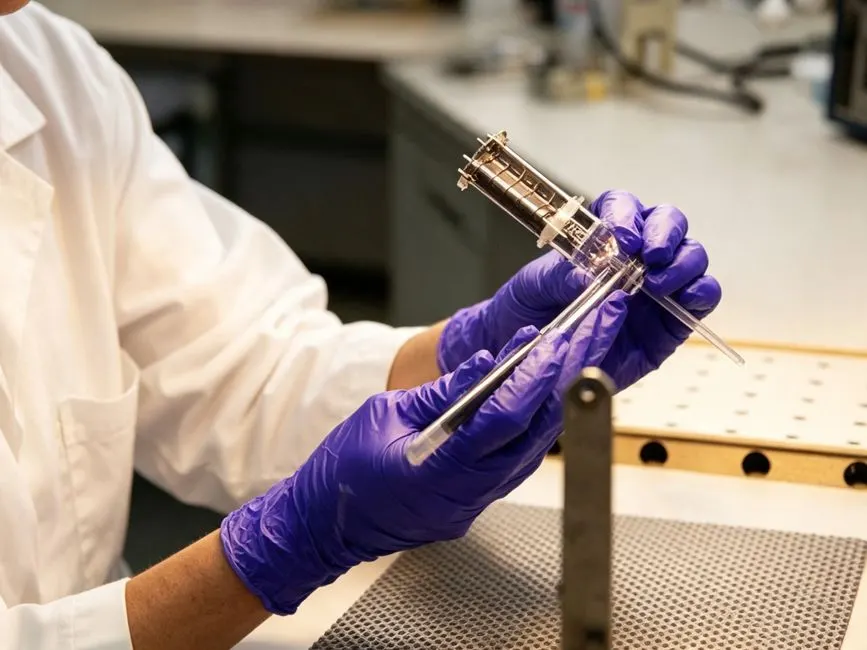
Concern-based inspection
We review the affected rooms, visible conditions, water history, and odor pattern before placing equipment. That gives each air sample a purpose and helps avoid collecting multiple samples that do not answer your question.
Air Quality Testing for Mold Minneapolis MN includes a focused discussion, visual review of relevant areas, basic temperature and humidity documentation, planned air collection, laboratory analysis, and a results explanation. We choose locations based on your concern rather than sampling every room. If the evidence points to a concealed cavity, extensive material mapping, or remediation work, those are separate services that can be considered after the initial findings are clear.
We review the affected rooms, visible conditions, water history, and odor pattern before placing equipment. That gives each air sample a purpose and helps avoid collecting multiple samples that do not answer your question.
A pump draws a known volume of air through a labeled spore trap cassette at each planned location. We record where and when the sample was collected so the laboratory findings can be interpreted against the correct room.
We note humidity and use targeted moisture readings where staining, condensation, or a past leak suggests damp materials. These observations help distinguish an airborne finding from the building condition that may be sustaining it.
Samples are submitted for analysis, and we explain the detected types and reported concentrations in practical terms. You can ask how the results relate to your rooms, what the limitations are, and which next step is most relevant.
Air Quality Testing for Mold Minneapolis MN is an indoor environmental assessment that measures airborne mold spores and helps identify whether indoor conditions differ from a comparison sample. We inspect the rooms you are concerned about, note visible growth and musty odors, and check temperature and humidity. A HEPA air sampling pump draws a measured volume of air through a spore trap cassette; the cassette is then sent for laboratory analysis. Results identify spore types and concentrations, but they do not by themselves prove a particular health effect or locate every concealed source.
Minneapolis homes face long heating seasons, freeze-thaw cycles, and summer humidity that can expose weak points around foundations, roofs, and windows. Basement water intrusion, condensation on cold surfaces, and roof leaks can leave damp materials even after the visible water is gone. We use mold air quality testing Minneapolis MN alongside a moisture inspection when musty odors persist or growth returns. If you are deciding when to get indoor air tested for mold in Minneapolis, testing is most useful when the concern is specific and the property conditions can be documented.
Air Quality Testing for Mold Minneapolis MN follows a straightforward sequence: discuss the concern, inspect relevant areas, collect labeled samples, and review the laboratory findings. Most on-site visits take about 1.5 to 3 hours for an average home, depending on access and the number of rooms. We explain each step before we begin, so you know what we are measuring and why.
Schedule
Call or book online — a real human picks up and confirms a 2-hour arrival window.
Diagnose
Licensed tech inspects on-site, then walks you through the cause and your options.
Fix
The job is completed to code and done right the first time — no shortcuts, no surprises.
Guarantee
Every job backed by a written workmanship warranty — and we stand behind it.
HEPA air sampling pump
The pump draws a measured volume of room air through a collection cassette. We position it consistently and record the location and sampling conditions for laboratory interpretation.
Air-O-Cell cassette
This spore trap cassette captures airborne particles on a collection surface for microscopic review. We seal and label each cassette immediately after its planned sampling interval.
Moisture meter
A moisture meter checks selected building materials for elevated moisture readings around leaks, staining, or recurring odor. It helps direct attention but does not identify mold by itself.
Thermal imaging camera
Thermal imaging shows surface temperature patterns that can help identify areas for closer inspection. We verify suspicious patterns with direct readings or visual evidence rather than treating an image as proof of moisture.
Hygrometer
A hygrometer records relative humidity and temperature during the visit. Those conditions help explain the sampling environment and whether damp indoor air could be part of the concern.
Indoor and outdoor comparison
When outdoor conditions are suitable, we collect a comparison sample and review it beside the indoor results. The comparison helps account for spores naturally present outside. We explain weather, open windows, and recent activity that may affect interpretation, rather than treating a ratio as a stand-alone pass or fail.
Room-specific spore trapping
We select rooms based on odor, water history, occupancy, and visible conditions. The pump draws air through a cassette for a measured interval, and sample labels preserve the location. This method provides a snapshot of airborne particles in the room at the time collected.
Moisture-led inspection
We trace likely water pathways from the reported area, checking accessible surfaces and materials for dampness. Findings are compared with the air sampling plan so a sample is not mistaken for a source locator. If the evidence points behind a finish, we discuss targeted investigation.
01
What we do: We inspect foundation edges and stored materials, record humidity, and check suspect surfaces for moisture. Air sampling can show what was airborne in the basement during the visit and whether a comparison sample adds useful context. We also identify whether the odor points toward a focused source investigation.
→ You get documented room conditions and a practical direction for moisture control, rather than relying on odor alone to decide whether cleanup is needed.
02
What we do: We review the leak timeline, inspect the ceiling and adjacent wall, and sample the bedroom if airborne evidence is relevant. If moisture readings or temperature patterns raise concern, we explain how targeted cavity inspection could confirm whether materials remain affected.
→ You can distinguish a resolved surface stain from a continuing moisture issue and make a more informed decision about repair or further investigation.
03
What we do: We inspect the work area, confirm that visible debris and damp materials have been addressed, and collect planned air samples if the project requires them. Each location is labeled so results can be compared with the affected zone and nearby occupied space.
→ The manager receives a clear record of tested locations and findings to support the next occupancy or maintenance decision.
Air Quality Testing for Mold Minneapolis MN needs to account for how local buildings handle cold, moisture, and seasonal shifts. In winter, warm indoor air meeting a cold window or exterior wall can produce condensation; in spring, snowmelt and heavy rain can expose foundation drainage problems. Older Minneapolis houses, duplexes, and converted commercial buildings also have different wall assemblies, basements, and ventilation paths. We ask about recent leaks, roof repairs, window condensation, and HVAC use before choosing sample locations. Minneapolis mold air sampling is most informative when the pump runs in the room connected to the concern and the conditions are recorded. If you need an indoor air mold test after water damage Minneapolis, tell us how long materials stayed wet and what was dried or removed. We use that timeline with moisture readings and visual observations. Our service area includes Hennepin County neighborhoods and ZIP codes 55404, 55409, and 55408, with coverage across central and south Minneapolis. We explain the findings in line with Minnesota Department of Health mold guidance and focus recommendations on moisture control, not a one-size-fits-all treatment.
Northeast Minneapolis
Older homes and converted buildings can have varied basement and ventilation conditions. We choose sampling locations around the reported odor or leak rather than assuming one building layout.
Linden Hills
Window condensation and basement dampness can be seasonal concerns. We record humidity and inspect surfaces near the affected room to give air results useful context.
North Loop
Commercial suites and renovated spaces may have shared HVAC zones. We document the affected area and nearby occupied space so samples are tied to the correct location.
Longfellow
Basement water history and plumbing repairs are common reasons residents request a focused evaluation. We check the reported area and sample only where the concern calls for it.
Cold-weather condensation at windows and exterior walls
Condensation can repeatedly wet paint, trim, or nearby materials during the heating season. We document room humidity and inspect the affected surfaces before interpreting an air sample, since the moisture pattern may be the more direct clue.
Spring snowmelt and basement water intrusion
Water can enter at foundation joints or around below-grade openings, then leave damp materials after visible pooling disappears. We look for moisture evidence and sample the basement when airborne conditions are part of the reported concern.
Roof leaks and attic moisture after storms
A roof repair may stop new water while insulation or sheathing remains damp. We review the leak location and attic access, then relate any room sample to the likely pathway between the roof and occupied space.
Air testing is most useful when you have a defined concern but cannot tell whether airborne mold is part of it. We connect sampling with visible conditions and moisture clues, then explain what the result can support. That helps you act on a source instead of guessing from a smell or a single surface mark.
Problem
A repaired pipe does not guarantee that nearby insulation, framing, or flooring dried fully. Persistent dampness can keep odor and mold concerns active.
Our Fix
We sample the affected room and inspect the area around the former leak for moisture indicators. If the air result points to a concern, we explain whether targeted access or additional material sampling would help locate the source. You get a plan tied to the room and the repair history.
Problem
Recurring mold after cleanup often means moisture remains or the original source was missed. Repeated wiping can hide the symptom without correcting the building condition.
Our Fix
We document the affected location, check nearby materials for moisture, and collect air samples when they answer a specific question. The findings help separate a small surface issue from a broader airborne concern and guide attention toward ventilation, plumbing, or water entry.
Problem
Hidden mold behind walls or above a ceiling may not be visible, while odor or water history raises concern. Without evidence, broad demolition or cleanup can be costly and disruptive.
Our Fix
We collect samples from the rooms you use and review moisture clues around likely pathways. A borescope or targeted follow-up can be discussed if readings and building history point toward a cavity. Air results help prioritize investigation but do not claim to identify a hidden source alone.
Problem
Chronic indoor dampness can affect stored belongings and create conditions that support growth on paper, wood, and other materials. A seasonal odor can return each year.
Our Fix
We record humidity, inspect likely foundation and plumbing areas, and sample the basement when airborne conditions need evaluation. The report gives you a baseline to pair with moisture-control work, such as correcting water entry or improving drying and ventilation.
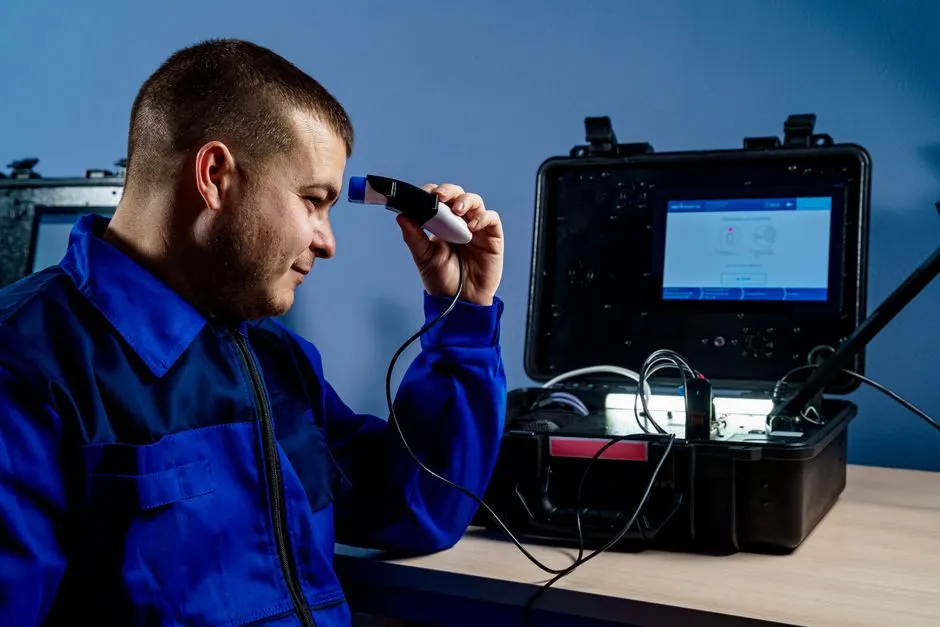
Air sampling gives you measured information rather than a guess based on odor or appearance alone. We connect the laboratory report to room conditions, moisture clues, and your reason for calling, then explain what deserves attention first. You leave with a useful next step, whether that is correcting a leak, inspecting a concealed cavity, or arranging targeted cleanup.
Measure airborne spores
A spore trap sample records airborne particles collected from a defined room and sampling period. We compare the indoor result with an outdoor reference where conditions support a meaningful comparison. That context helps you understand whether elevated airborne mold spores point toward an indoor source rather than relying on a musty smell alone.
Focus the investigation
We take readings where you spend time and where the building history points, rather than sampling rooms at random. A hygrometer records relative humidity, while a moisture meter checks suspect materials. This combination can narrow the search to a damp basement corner, a window wall, or an area below a past roof leak.
Get lab-backed evidence
Collected air sampling media is labeled by location and submitted for microscopic analysis. The report identifies mold structures and counts found in each sample, giving you a documented baseline for discussion with a property manager, contractor, or remediation provider. Minneapolis mold air sampling helps turn an uncertain indoor-air concern into specific findings.
Choose proportionate action
A low or unremarkable air result does not erase a water problem, and a high count does not automatically mean every room needs treatment. We explain how sampling conditions, visible growth, and moisture readings fit together. You can prioritize source control and repair instead of paying for broad, unsupported work.
In 2026, Air Quality Testing for Mold Minneapolis MN generally costs $250 to $650 for a residential visit with a focused inspection and laboratory air analysis. The final price depends on how many rooms need samples, whether an outdoor comparison is useful, and how much moisture investigation the concern requires. Minneapolis mold air sampling is more efficient when you identify the affected rooms and water history before the visit. We give you upfront pricing before collecting samples, with no charge added for recommendations that are simply part of reviewing the findings.
Typical Investment Range
$250-$650 for a focused residential visit; expanded investigations cost more
A focused sample plan gives you laboratory evidence tied to the rooms that concern you. Paying for useful locations and interpretation can help prevent unnecessary testing or broad cleanup that does not address a confirmed moisture source.
What changes the price
Number of sample locations
Each additional room requires a separate collection setup and laboratory analysis. A focused plan often uses two or three locations: the affected room, a comparison area, and an outdoor reference when conditions support it. Sampling every room increases cost without automatically making the answer more useful.
Laboratory turnaround
Standard analysis is usually less expensive than rush processing. Results commonly take 1 to 3 business days after sample receipt; faster options depend on the laboratory and are priced separately. We explain the turnaround choice before sample collection.
Moisture investigation time
A straightforward room visit costs less than tracing a leak through several floors or inspecting difficult attic and crawl-space access. Additional inspection time is driven by the number of suspect areas and the building conditions we need to document.
Specialized follow-up samples
Surface sampling or a targeted concealed-area investigation may be added when air results and visible conditions do not answer the question. These methods are chosen for a specific purpose and are not automatically required with every air test.
Google ★★★★★4.9
Our Minneapolis technician explained exactly where samples would be taken and why. The basement odor had been worrying us for weeks, and the report connected the air findings with a damp area near the foundation. We appreciated receiving a clear explanation instead of a recommendation to test every room.
Google ★★★★★4.8
We called after a roof leak and wanted to know whether the bedroom air still needed attention. The inspector checked the ceiling, took a room sample, and explained the lab report in plain language. The next steps were specific to the leak and did not involve unnecessary work.
Yelp ★★★★★5.0
The process was organized from the first conversation through the sample review. We had testing completed in our Longfellow home after a musty smell returned. The technician recorded humidity, labeled the locations, and helped us understand what the results could and could not prove.
Air Quality Testing for Mold Minneapolis MN requires more than running a pump; the sample has to answer a useful building question. Our local experience includes evaluating damp basements, attic moisture, window condensation, and HVAC concerns in Minneapolis properties. We use established sampling practice, careful room labeling, and laboratory analysis rather than treating a single particle count as a diagnosis. Our team explains what the data supports and where visual inspection or moisture investigation should take over.

Real answers to the questions we hear most often from local homeowners and property managers.
A residential inspection adds a room-by-room visual review to air sampling. We check likely moisture sources, note visible growth, and help you decide whether airborne findings match conditions in your Minneapolis home.
View Residential Mold InspectionFor offices and commercial properties, inspection documents affected areas, occupancy concerns, and moisture conditions. Air sampling can be planned for specific work zones rather than treating an entire building as one space.
View Commercial Mold InspectionThis broader service combines air or surface collection according to the question being investigated. We select sample types based on visible material, room conditions, and whether you need an airborne baseline or a closer look at a specific surface.
View Mold Testing and SamplingSurface sampling can help characterize visible suspect material when air results alone do not answer the question. We collect a swab or tape-lift sample from a selected location and connect the laboratory result to the surrounding moisture evidence.
View Surface Mold TestingAn indoor air assessment can consider humidity, ventilation, particles, and mold-related concerns together. It is useful when comfort complaints extend beyond one room or when you need a broader picture alongside targeted mold sampling.
View Indoor Air Quality AssessmentMoisture assessment focuses on the conditions that allow mold to persist. We use readings and visual checks to identify damp materials, then relate those findings to air samples so the repair plan addresses the source.
View Mold and Moisture AssessmentCall Minneapolis Mold Testing at +1 866-896-8166 to describe the affected room, recent water events, and any odor or visible growth. Our office hours are Monday through Friday, 8:00 a.m. to 6:00 p.m.; we respond during those hours to arrange the next practical step. We serve Minneapolis, Minnesota, including Hennepin County neighborhoods and nearby ZIP codes.
Phone
+18668968166Address
Minneapolis, Minnesota
Hours
Mon–Fri: 7AM – 7PM
Sat: 8AM – 4PM
Sun: Emergency Only
24/7 Emergency Available