Logo
Get Estimate

Mold Source Investigation Minneapolis MN: Find the Cause

We trace moisture, explain the cause, and map next steps.


Mold Source Investigation Minneapolis MN helps homeowners, landlords, and property managers find why mold keeps returning instead of treating the visible patch alone. We trace moisture pathways, check nearby materials, and document likely causes so you can address the right repair. If you notice musty odors, visible mold growth, or dampness after a leak, our team investigates the building conditions and explains practical next steps.

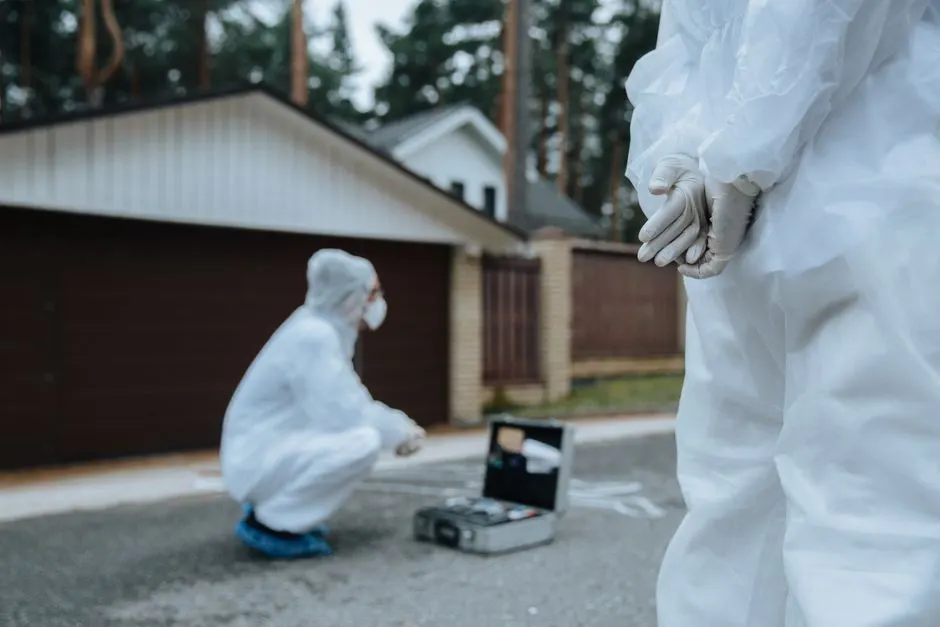
Forensic investigators in white suits and masks examining a crime scene outside a residential area.
Licensed Licensed & Bonded
Fully Insured Insured & Bonded
24/7 Emergency Same-Day Response
Warranty Backed Workmanship Guaranteed in Minneapolis

What the Investigation Includes

Mold Source Investigation Minneapolis MN includes a review of your concern, a visual assessment of affected and adjoining areas, moisture checks, photographs, and a clear explanation of likely source pathways. We discuss sampling when a defined question calls for it. Laboratory testing, destructive openings, remediation, and plumbing or roofing repairs are separate work, so your investigation findings stay distinct from the repair itself.

History and Visual Review

We record the reported timeline, previous leaks or cleanup, odor patterns, and visible conditions. Then we inspect the affected area and nearby building features that could explain the moisture, such as windows, plumbing fixtures, ceilings, or exterior walls.

Moisture Mapping

We take readings at relevant materials and compare them with nearby reference locations. The pattern helps distinguish one damp point from a broader condition and gives you measurements tied to specific rooms or surfaces.

Targeted Concealed Checks

Where clues suggest a hidden cavity, we use appropriate non-destructive tools to guide the next check. A borescope can view a selected opening, while thermal patterns help identify areas that need verification rather than being treated as proof on their own.

Findings and Recommendations

You receive a practical summary of what we observed, where readings were taken, and which moisture sources best fit the evidence. We identify repair priorities and explain when a contractor, targeted sampling, or a follow-up check would answer the next question.

Mold Source Investigation Minneapolis MN Explained


Mold Source Investigation Minneapolis MN is a building assessment that traces moisture conditions linked to visible or recurring mold and identifies where corrective work should begin. We inspect affected rooms and adjoining areas, check surfaces and building materials with a moisture meter, and compare readings with dry reference areas. A thermal imaging camera can help locate temperature patterns that warrant closer examination, while a borescope can view selected concealed cavities. Findings are recorded with photographs, measurements, and a clear explanation of the suspected moisture source.

Minneapolis homes face freeze-thaw cycles, wind-driven rain, humid summers, and long heating seasons that can expose weak roof details, basement seepage, and condensation on cold surfaces. A mold cause inspection in Minneapolis is useful after a plumbing leak, roof leak, repeated window condensation, or cleanup that did not stop a musty odor. We investigate the affected area and the route water or humid air may have taken. That helps you trace recurring mold to its source in Minneapolis before repair work closes the evidence behind new finishes.

What to Expect During the Visit

Mold Source Investigation Minneapolis MN starts with your history of leaks, repairs, odors, and recurring spots, then moves through a room-by-room assessment of the affected zone. We tell you what we are checking as we go. A focused residential visit often takes 2 to 4 hours, with larger or multi-area properties requiring more time.

01

Schedule

Call or book online — a real human picks up and confirms a 2-hour arrival window.

02

Diagnose

Licensed tech inspects on-site, then walks you through the cause and your options.

03

Fix

The job is completed to code and done right the first time — no shortcuts, no surprises.

04

Guarantee

Every job backed by a written workmanship warranty — and we stand behind it.

Tools and Field Methods

Tools & Equipment

Moisture meter

We check accessible building materials at multiple points and compare readings with nearby reference areas. This helps map dampness without treating one number as a diagnosis.

Thermal imaging camera

We use temperature patterns to identify areas for closer evaluation, such as a suspected leak path or cold surface. Thermal images guide verification; they do not confirm mold or moisture by themselves.

Borescope

Where an appropriate access point exists, a borescope lets us view a selected concealed cavity. It helps answer a focused question without opening a large section of finished wall.

HEPA air sampling pump

When air sampling is justified, the pump draws a measured volume through a spore trap cassette. We record the sample location and conditions so laboratory results can be interpreted alongside inspection findings.

Hygrometer

We record relative humidity and temperature in the inspected area. These readings help assess condensation conditions and explain why cold surfaces or poorly ventilated rooms may remain damp.

Methods & Standards

Comparative moisture mapping

We take several readings across the affected material and compare them with nearby areas that appear dry. The resulting pattern helps identify boundaries and possible routes, while material type and surface conditions are considered before interpreting readings. We label locations so you can connect the observations with photographs and repair discussions.

Moisture-path tracing

We work from the symptom toward plausible sources, checking relevant plumbing, roof, exterior, and ventilation features. Weather timing and prior repairs matter: a basement odor after rain suggests different checks than a bathroom patch after shower use. We record supporting clues and distinguish likely explanations from confirmed conditions.

Targeted sample collection

If laboratory analysis can answer a defined question, we select representative locations and use appropriate collection media. Air sampling uses a measured collection period; a surface sample targets a specific suspect area. Results are interpreted with the inspection context because a sample alone does not identify a leak or moisture source.

When to Investigate Mold

01

A Minneapolis homeowner sees the same bathroom spot return within weeks of cleaning and repainting.

What we do: We inspect the wet-area edges, plumbing connections, adjacent wall, and ventilation conditions, then compare moisture readings around the recurring spot. If a leak or concealed wet material is suspected, we identify the most relevant follow-up check instead of recommending another surface treatment.

→ You learn whether the pattern points to a leak, humidity, or another moisture route and can direct repairs to the likely cause.

02

A thaw or heavy rain brings a musty basement odor to a home in Longfellow or Nokomis.

What we do: We review when the odor occurs, inspect foundation edges and floor junctions, and check for dampness in selected locations. We also look for nearby plumbing and exterior water pathways that could explain why the smell changes after weather events.

→ The investigation narrows whether water entry, chronic dampness, or another condition deserves repair attention before finishes are replaced.

03

A rental unit in Uptown has a tenant report of mold after a leak was supposedly fixed.

What we do: We document the reported location, inspect the repaired area and adjacent materials, and compare moisture readings to dry reference points. With the tenant's reported timeline, those observations help determine whether the repair resolved the moisture or left an affected area to address.

→ The manager receives location-specific findings to coordinate follow-up work and communicate the condition without relying on assumptions.

04

A homebuyer notices attic staining and asks whether an old roof leak is still active.

What we do: We inspect accessible attic materials, follow the stain toward roof features, and measure selected areas for moisture. We record visible conditions and explain whether the evidence supports a current moisture concern, a past event, or further roofing review.

→ You get a clearer basis for additional inspection or repair questions before deciding how to handle the property condition.

How Investigation Works in Minneapolis

Minneapolis weather creates several distinct moisture patterns. As November turns to winter, heated indoor air meets cold windows, rim areas, and exterior walls; condensation can appear even without a plumbing leak. During spring thaw and heavy rain, basement water intrusion and roof leaks deserve attention, while humid summer conditions can challenge poorly ventilated rooms. Our Minneapolis mold cause inspection follows the timing and location of the problem, not just the visible stain. In older homes, additions, finished basements, and remodeled bathrooms can create concealed transitions where moisture travels behind trim or drywall. We check accessible areas first, compare readings, and explain where additional access would be useful. For a documented mold origin assessment after repeated water damage Minneapolis property owners can use our findings to coordinate the appropriate repair trade. We serve Hennepin County, including 55407, 55406, and 55405, and record the conditions observed at each property rather than assuming a neighborhood has one standard building type.

Neighborhoods We Serve

  • Northeast Minneapolis

    Older homes and additions can have multiple rooflines and remodeled wall assemblies. We trace staining across transitions and compare attic or wall readings where access is available.

  • Uptown

    Condos and multi-unit buildings can have plumbing or ventilation concerns that cross room boundaries. We document the affected unit and nearby clues relevant to the reported moisture.

  • Longfellow

    Basement concerns often warrant attention to foundation edges, floor junctions, and the timing of odors after rain or thaw. We compare those observations with indoor readings.

  • North Loop

    Mixed-use and multifamily properties may involve shared building systems. We record the location and pattern of the concern so property teams can coordinate an appropriate follow-up.

Local Conditions We Plan For

  • Freeze-thaw cycles expose leaks and condensation at cold building surfaces.

    A roof detail or exterior joint can admit water during a thaw, while cold windows and wall corners collect indoor moisture during heating season. We ask when symptoms change and check both likely entry points and indoor humidity.

  • Spring snowmelt and heavy rain can reveal basement water pathways.

    Dampness near a foundation may appear only after weather events, so a single dry-day observation is not the whole story. We use the reported timing, visible staining, and comparative readings to guide the investigation.

  • Older renovations can conceal plumbing routes and material transitions.

    New finishes may cover an older leak path or connect rooms with different ventilation conditions. We inspect adjacent areas and document where access or a repair-trade evaluation would clarify the evidence.

Recurring Basement Wall Growth

Before

A homeowner in Longfellow had cleaned a dark patch on the basement wall twice, but it returned after rainy weeks. The area felt cool, stored boxes smelled musty, and there was no clear leak at the time of the visit. The household needed to know whether the cause was seepage, condensation, or a nearby pipe.

After

We mapped readings at the wall base, mid-wall, and nearby dry section, then documented staining near the floor junction. The pattern focused attention on that transition rather than the full basement. The homeowner received photographs and a specific follow-up direction for checking water entry before replacing the finish.

Maintenance: Keep stored items several inches from basement walls and note whether dampness changes after rain. Recheck the identified area after the repair and compare its condition with the original photographs.

Before

A bedroom corner in Northeast Minneapolis developed staining each winter, despite repeated cleaning and fresh paint. The homeowner suspected hidden mold but had no measurements to separate a leak from condensation. Cold window glass and a musty smell made it difficult to know whether the problem extended into the wall.

After

We checked the window, wall corner, room humidity, and nearby materials, then compared readings with a dry interior wall. The evidence supported a condensation pattern rather than an active plumbing leak. The findings identified the surfaces and indoor conditions to monitor and gave the homeowner a practical ventilation and humidity-control direction.

Maintenance: Track room humidity during cold weather and watch for water on glass or trim. If staining returns despite corrected humidity conditions, arrange a follow-up check of the window and adjoining wall.

Before

After a roof repair, a Minneapolis homeowner still noticed attic discoloration and an intermittent odor. They did not know whether the original leak remained active or whether damp materials were simply drying. Without a location-specific record, another roofer visit risked repeating the same general inspection.

After

We inspected accessible attic materials, followed the stain toward the roof area, and compared moisture readings around the reported repair. The notes and photographs identified the exact section needing a closer roofing review and documented the surrounding condition. The homeowner could direct follow-up work to a defined area.

Maintenance: After roofing work, check the documented section following the next significant rain or thaw. Keep the repair record and compare new staining or odor with the original investigation photos.

Trace Recurring Mold to Its Source in Minneapolis

A mold problem can persist because the water source is out of sight, intermittent, or mistaken for ordinary condensation. In Minneapolis, changing outdoor temperatures and indoor heating can shift where moisture collects. We investigate the conditions behind the symptom so you can choose a correction that matches the building evidence.

Problem

Mold returns on the same basement wall after each cleanup.

The repeated growth can damage finishes and stored belongings while an unresolved seepage or condensation pattern continues behind the visible area.

Our Fix

We check the wall and floor junction, compare moisture readings at several heights, and review nearby drainage or plumbing clues. The findings help distinguish ongoing water entry from surface condensation and direct your next repair toward the source rather than another cosmetic cleanup.

Problem

A musty odor persists even though no mold is visible.

Odor can point to damp materials in a concealed area, leaving you uncertain whether the issue is localized or connected to another room.

Our Fix

We follow the odor through adjoining spaces, inspect likely moisture routes, and use meter readings to identify areas that deserve closer access. If evidence supports sampling, we explain which method addresses the question. You get a documented search path and a reasoned next step.

Problem

Window condensation and cold corners keep staining bedroom finishes.

Repeated wetting can deteriorate paint and trim, and hidden dampness can develop if indoor humidity remains high during cold weather.

Our Fix

We examine the window, surrounding wall, room humidity, and comparable surfaces to assess whether condensation fits the pattern. A hygrometer records indoor conditions, while material readings help check for persistent dampness. We explain the likely contributors and practical adjustments or repair checks.

Problem

A roof leak was repaired, but attic staining and odor remain.

Residual moisture or a second entry point may continue affecting insulation and sheathing, making a single repair appear unsuccessful.

Our Fix

We inspect accessible attic areas, trace staining toward roof details, and compare material conditions around the reported leak. Findings clarify whether the area is drying, still receiving water, or needs a roofer's closer examination. You can coordinate the next check using specific locations and photographs.

Clear Findings, Practical Next Steps

Clear Findings, Practical Next Steps

A focused investigation gives you more than a photograph of mold. We connect the visible condition with moisture readings, building details, and likely entry routes, then explain which repairs address the cause. You can use the findings to plan maintenance, communicate with a contractor, or decide whether targeted sampling would answer a remaining question.

  • Stop Repeat Growth

    Recurring mold after cleanup often means moisture remained or returned. We compare readings at the affected area and nearby dry materials, then follow clues such as a plumbing route, exterior wall, or roof penetration. You receive a reasoned source assessment rather than another recommendation to wipe the surface and hope it stays clear.

  • Target Repairs Precisely

    Opening every wall is rarely the first move. We use visible conditions, a pinless moisture meter, and selective non-destructive checks to narrow the area that needs attention. When concealed materials need confirmation, we explain the location and purpose of any proposed opening so you can avoid unnecessary demolition.

  • Document Building Conditions

    Our notes organize locations, observed conditions, moisture readings, and photographs so you can share the facts with a property manager or repair contractor. For example, a record can distinguish a damp basement corner from a separate bathroom leak. That clarity improves decisions and helps track whether repairs change the condition.

  • Choose Testing Intentionally

    Mold testing answers specific questions; it does not replace locating moisture. We explain when air sampling or a surface sample adds useful evidence and when inspection findings are the more direct answer. If sampling is selected, the location and method are tied to the investigation question, not used as a substitute for source tracing.

Training and Field Standards

Licensed & Certified

  • IICRC Applied Microbial Remediation Technician — issued by Institute of Inspection, Cleaning and Restoration Certification
  • IICRC Applied Structural Drying — issued by Institute of Inspection, Cleaning and Restoration Certification
  • ACAC Council-certified Indoor Environmentalist — issued by American Council for Accredited Certification
  • EPA Mold Course Certificate — issued by U.S. Environmental Protection Agency

Verified Reviews

Google ★★★★★4.9

A homeowner in Minneapolis described a focused investigation of a recurring basement odor. The technician compared moisture readings, photographed the affected wall, and explained why the floor junction needed follow-up. The customer valued having a clear location and next step instead of another recommendation to clean the visible area.

Google ★★★★★4.8

A property manager reported that the investigation helped sort out a tenant concern after a plumbing repair. The findings documented the repaired line, nearby materials, and areas that warranted another check. That record made it easier to coordinate the right repair work and communicate what had actually been inspected.

Yelp ★★★★★5.0

A Minneapolis homeowner praised the explanation of winter condensation around a bedroom window. The visit included humidity and material checks, with a comparison against a dry area. The customer said the practical explanation helped distinguish a recurring moisture pattern from a suspected hidden plumbing leak.

Investigation Built on Field Evidence

Our local experience centers on connecting building moisture clues with the mold condition you can see or smell. We approach each Minneapolis property as a system: exterior drainage, roof and attic details, plumbing, ventilation, and indoor humidity can all affect the same room. Training in moisture assessment and microbial investigation supports a careful inspection, while our notes distinguish direct observations from conclusions that need confirmation. We do not assign a cause from appearance alone. When sampling is appropriate, we use a defined question, documented locations, and qualified laboratory analysis.

  • Inspection planning follows IICRC Applied Microbial Remediation Technician principles for recognizing affected materials and appropriate work boundaries.
  • Moisture tracing considers IICRC Applied Structural Drying concepts, including material readings and the conditions that influence drying.
  • Sampling plans can use AIHA Laboratory Accreditation Programs-accredited laboratories when laboratory analysis is selected.
  • We distinguish visible growth, moisture evidence, and suspected concealed conditions in findings so you know what was observed directly.
  • Minnesota Department of Health mold guidance informs clear, practical explanations about moisture control and remediation priorities.
Get Started Today
Investigation Built on Field Evidence

Questions About Mold Investigations

Real answers to the questions we hear most often from local homeowners and property managers.

How does a mold source investigation work in Minneapolis?
A Minneapolis investigation usually takes 2 to 4 hours for a focused home visit and traces visible or reported mold back to moisture clues. We review the history, inspect affected and adjoining areas, take comparative moisture readings, and document likely sources such as leaks or condensation. If a defined question remains, we discuss targeted sampling. You receive findings and next-step guidance; laboratory analysis, when ordered, adds its own turnaround time.
How much does a mold cause inspection cost in Minneapolis MN?
A focused inspection commonly costs $250 to $650 in 2026, while complex multi-area investigations can reach $1,200 or more. Price depends on property size, access, concealed areas, travel within the service area, and whether laboratory sampling is added. We explain upfront pricing before work proceeds. Ask for the exact cost for your property and whether your concern calls for inspection alone or inspection plus samples.
Can an investigator find the source of recurring mold?
Yes, an investigator can often narrow recurring mold to a moisture pathway by comparing affected materials with dry areas and checking nearby plumbing, exterior walls, roofs, and ventilation. Hidden conditions can require selective access or repair-trade confirmation. We document what the evidence supports and identify unresolved questions, so you can address the moisture source instead of repeating surface cleanup.
What happens during a hidden moisture investigation?
A hidden moisture investigation begins with non-destructive checks and usually takes 2 to 4 hours for one focused area. We map the room, check accessible materials, compare readings, and use thermal patterns to choose where closer inspection is warranted. A borescope may view a selected cavity; any larger opening is a separate repair decision. You receive the findings and clear guidance on what should be checked next.

Related Mold Services

Residential Mold Inspection

A residential inspection checks the home for visible mold, moisture, and conditions that support growth. In Minneapolis, pair it with source investigation when one room keeps developing spots or an odor persists after cleanup. The combined findings help connect the affected area with a likely repair.

View Residential Mold Inspection

Commercial Mold Inspection

Commercial inspections assess workspaces, shared areas, and building systems where moisture may affect multiple rooms. Source investigation helps distinguish a localized leak from a broader ventilation or envelope concern. We document affected locations so facility teams can plan targeted follow-up.

View Commercial Mold Inspection

Mold Testing and Sampling

Sampling provides laboratory evidence about selected air or surface locations; source investigation explains the moisture conditions around them. Minneapolis customers often use both when a specific question remains after inspection. Samples are most useful when locations and interpretation are tied to a clear purpose.

View Mold Testing and Sampling

Air Quality Testing for Mold

Air testing can compare airborne particles between selected indoor locations and, when suitable, an outdoor reference. If your concern includes a persistent musty odor or suspected airborne mold spores, investigation first helps choose meaningful sampling points and interpret results in context.

View Air Quality Testing for Mold

Surface Mold Testing

Surface testing uses a collected sample from a specific material or visible area. It can help identify whether a suspect deposit is mold, but it does not locate the water source. We connect surface results with moisture readings and building observations to guide the next repair.

View Surface Mold Testing

Indoor Air Quality Assessment

An indoor air quality assessment looks at conditions such as humidity, ventilation, and possible particle concerns. When mold is suspected, source investigation checks the building locations that may be contributing to the issue. Together, the services give Minneapolis property owners a fuller picture of the concern.

View Indoor Air Quality Assessment

Find the Mold Source in Minneapolis

Recurring mold needs a moisture answer, not another round of surface cleaning. Call Minneapolis Mold Testing at +18668968166 to discuss the affected area and arrange a focused investigation. Our team documents the findings and explains the next practical step for your Minneapolis, MN property.

Call Today Request Investigation

Contact Minneapolis Mold Testing

Call Minneapolis Mold Testing at +1 866-896-8166 to describe the affected room, recent water events, and any odor or visible growth. Our office hours are Monday through Friday, 8:00 a.m. to 6:00 p.m.; we respond during those hours to arrange the next practical step. We serve Minneapolis, Minnesota, including Hennepin County neighborhoods and nearby ZIP codes.

Or call us right now at +18668968166 — we answer.

Minneapolis Mold Testing


  • Phone

    +18668968166
  • Address

    Minneapolis, Minnesota

  • Hours

    Mon–Fri: 7AM – 7PM
    Sat: 8AM – 4PM
    Sun: Emergency Only
    24/7 Emergency Available

Call +18668968166 Get Quote
Call Quote