
Target Field
Target Field is a recognizable orientation point on the western edge of the North Loop area. It helps distinguish nearby streets and buildings when confirming an address, but it is not treated as a cause of property moisture concerns.

Mold Inspection and Testing in North Loop is an indoor environmental assessment that identifies moisture conditions and evaluates whether mold sampling is needed to answer a property concern. In older brick and timber buildings, a stain on a ceiling can trace to roof or plumbing moisture, while an odor near a shared wall can require a different investigation. Minneapolis Mold Testing serves homes and businesses across the Warehouse District, Riverfront, and Target Field District, including properties in ZIP codes 55401 and 55405. We begin by asking where the concern appeared, when it began, and whether repairs or leaks have occurred. A moisture meter and thermal imaging camera help us map suspicious areas before we recommend sampling. Mold Inspection and Testing North Loop MN clients receive a clear explanation of observations and next steps, with no pressure to test every room. The goal is to connect the evidence to a useful decision: monitor, investigate further, or address a moisture source.
North Loop properties need inspection plans that account for historic warehouse construction, condominium layouts, and active commercial suites. Our service starts with the area of concern and expands only when evidence points to another location. If you need mold inspection and testing near me in North Loop MN, we can assess moisture, inspect accessible surfaces, and discuss whether air or surface samples will answer your question. We serve residential and commercial properties, from a bathroom leak in a loft to water staining beneath an office ceiling. The report connects observations, measurements, and sampling results when collected.
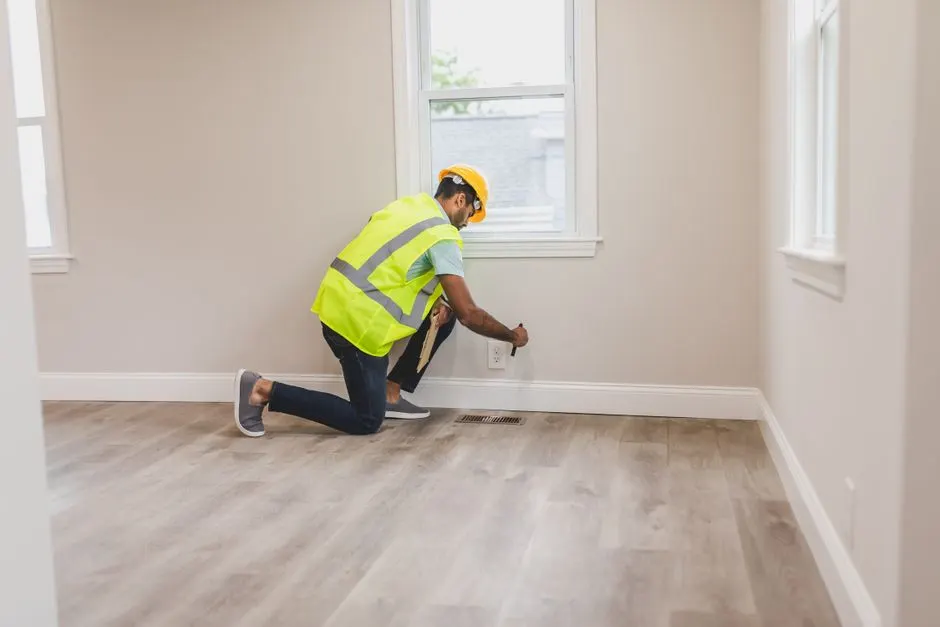
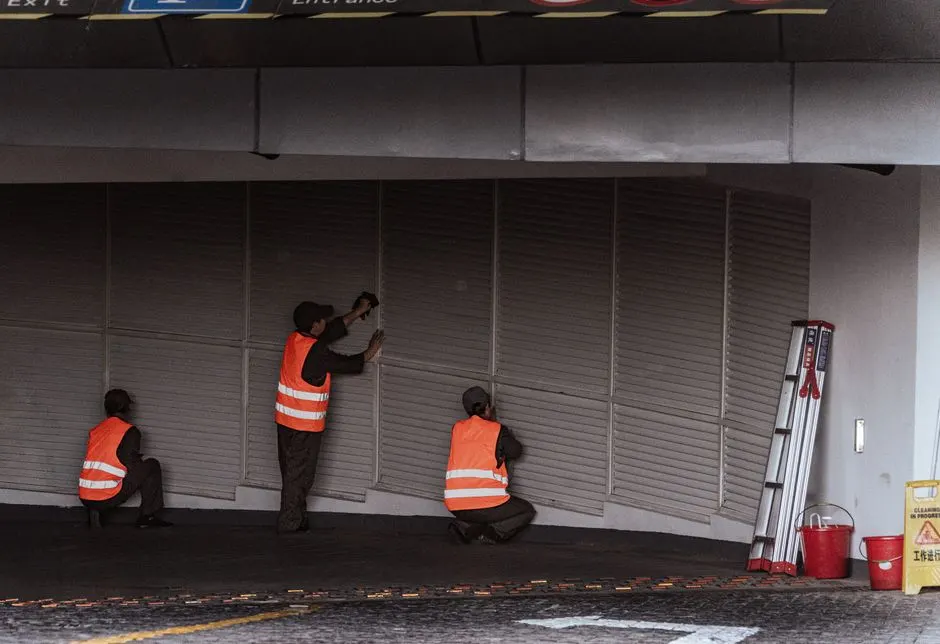
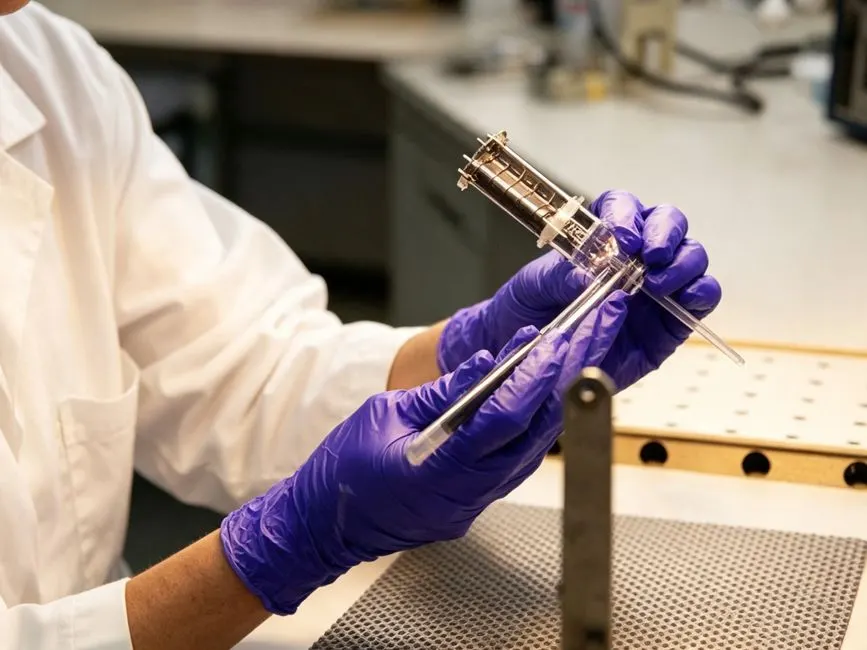
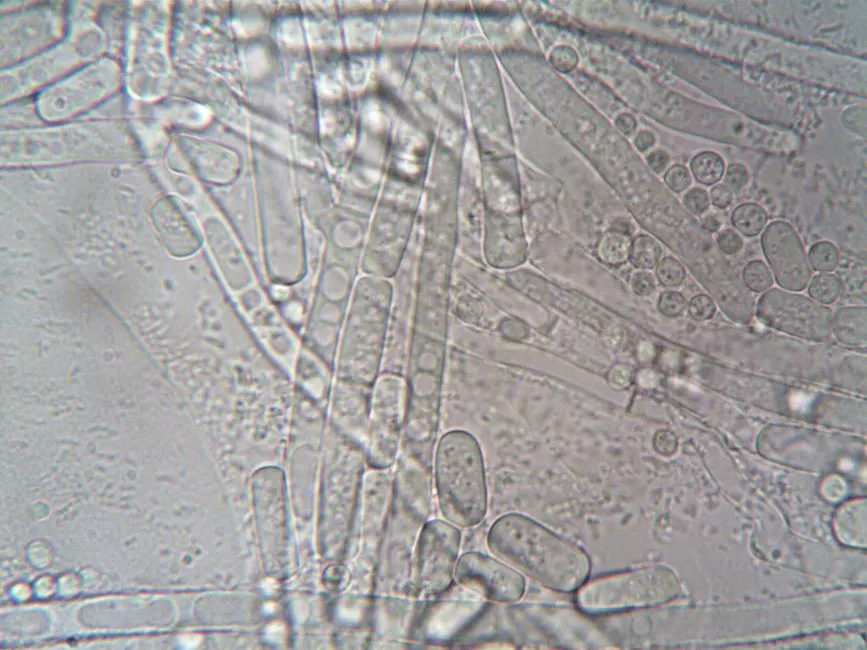

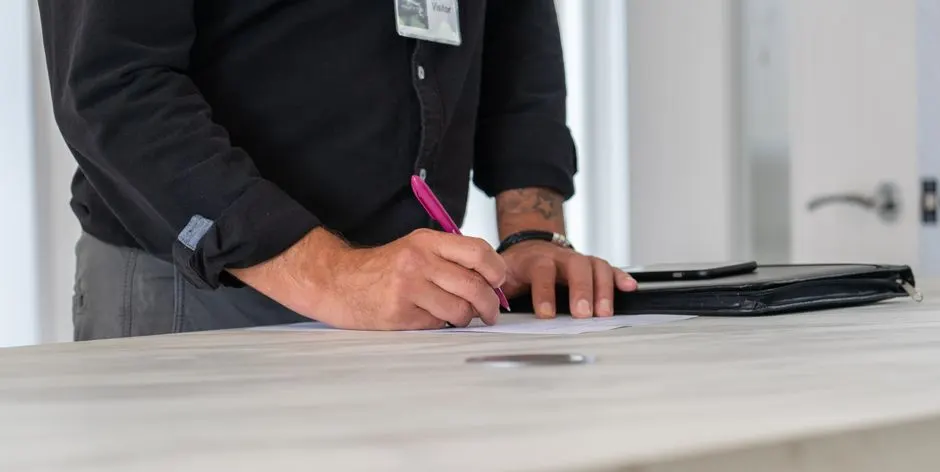



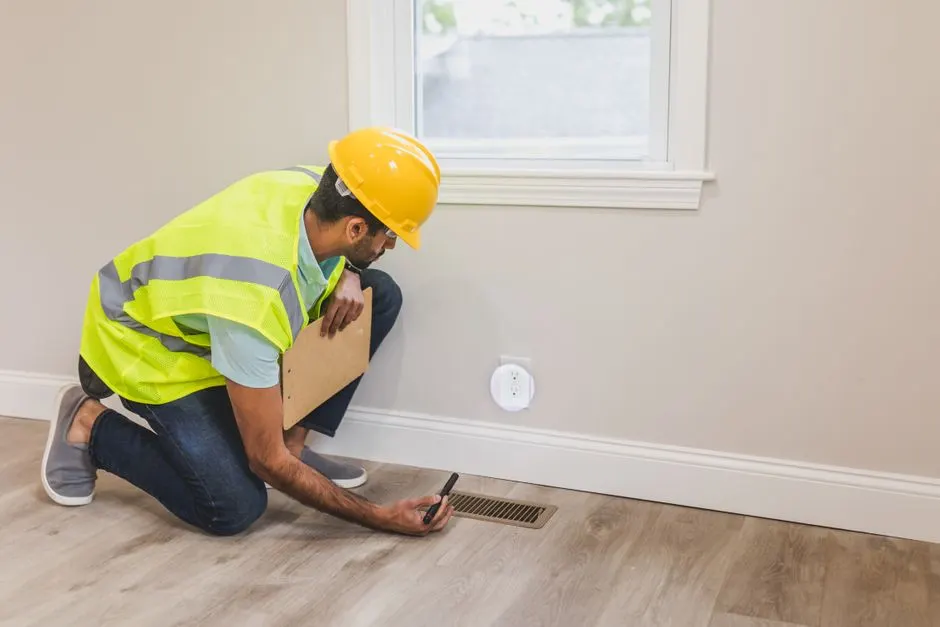
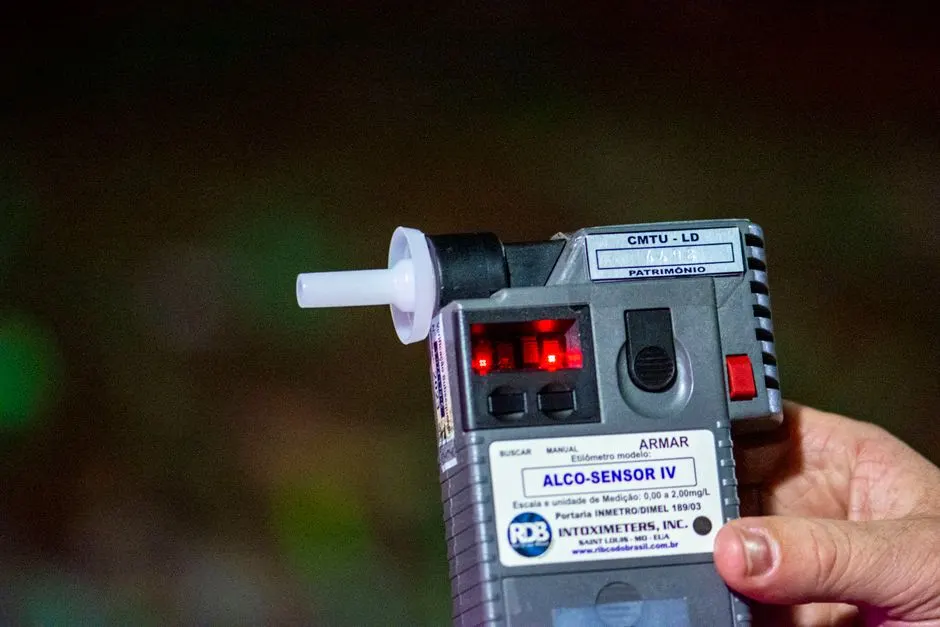
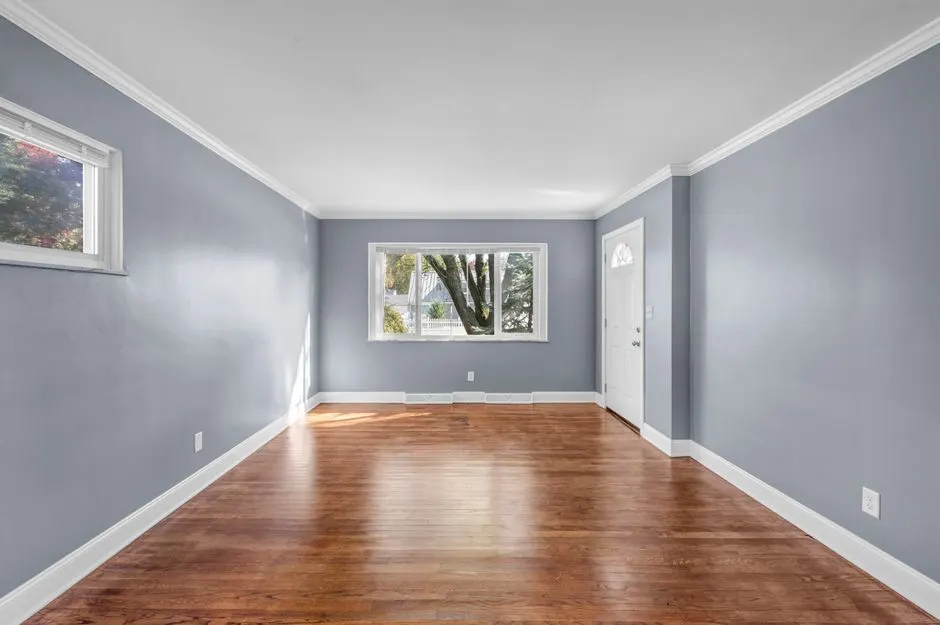
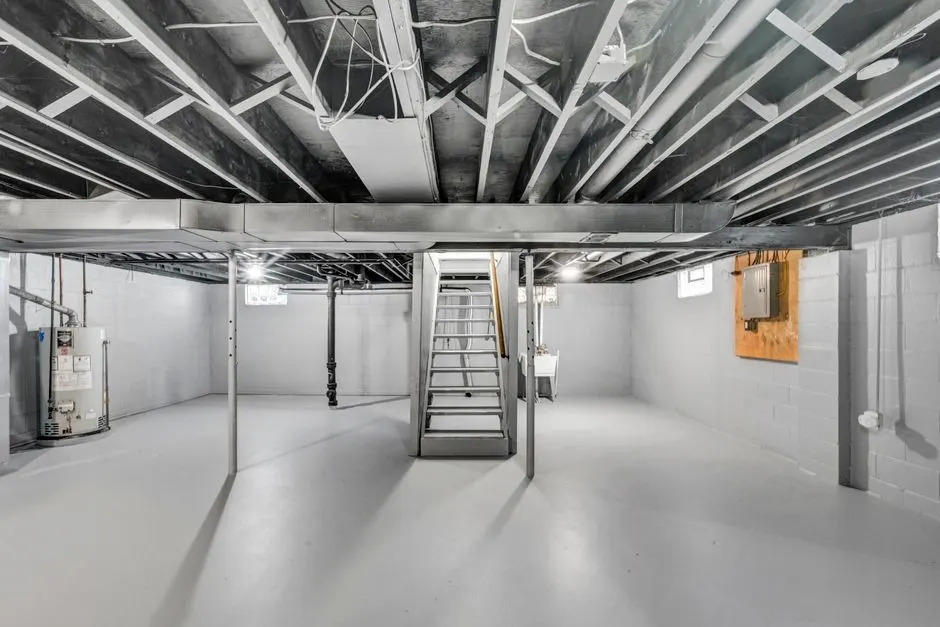
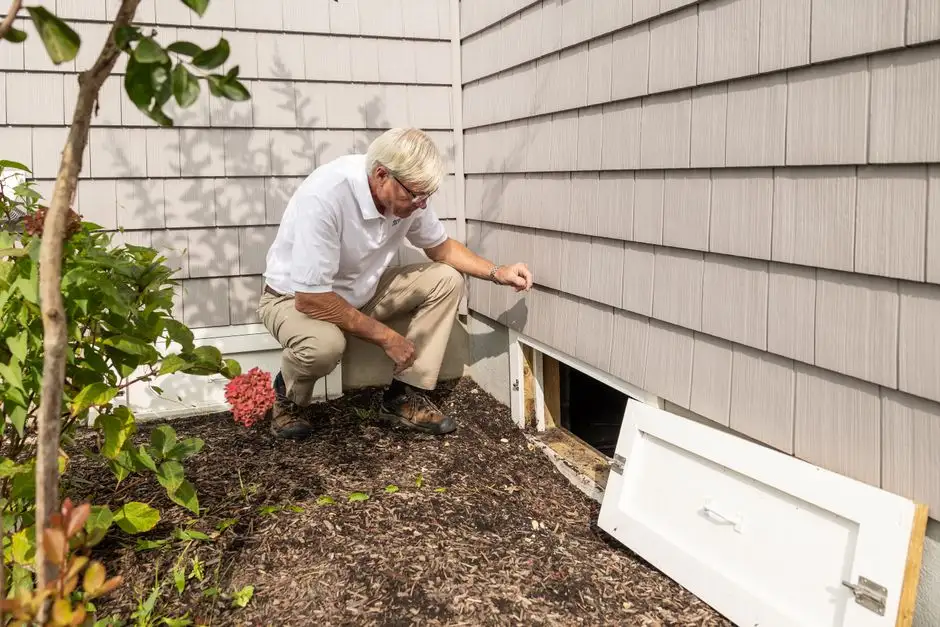
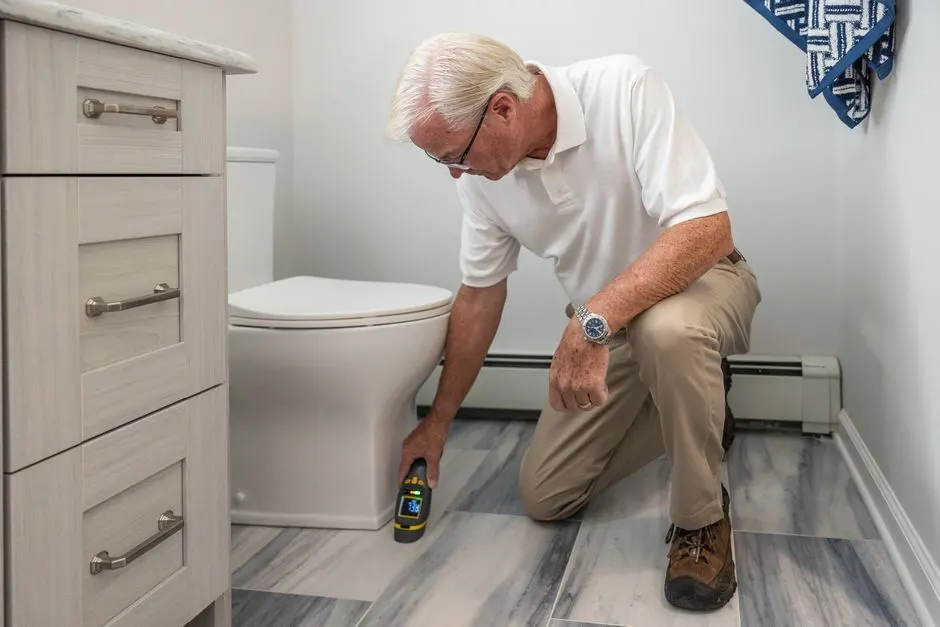
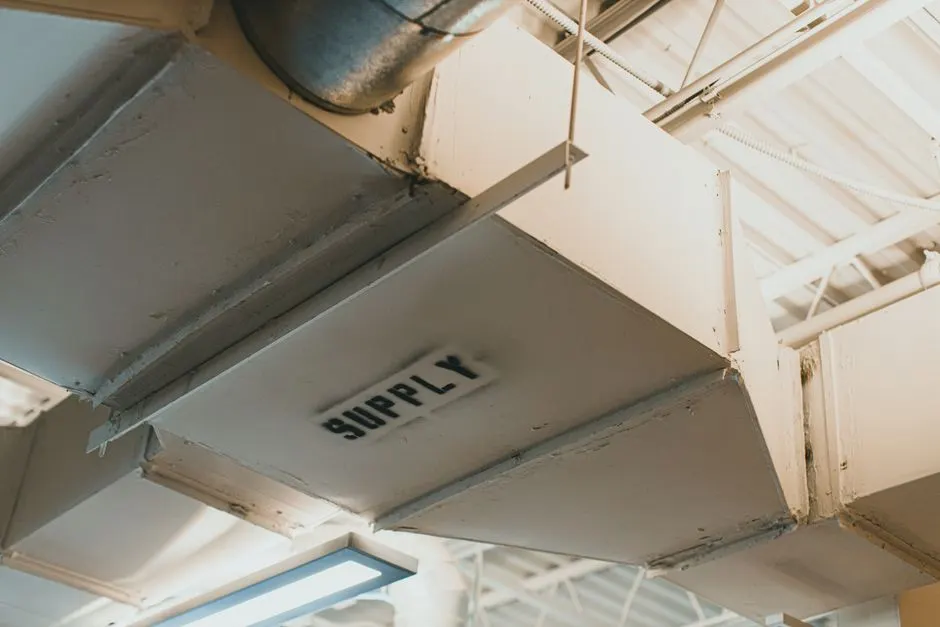
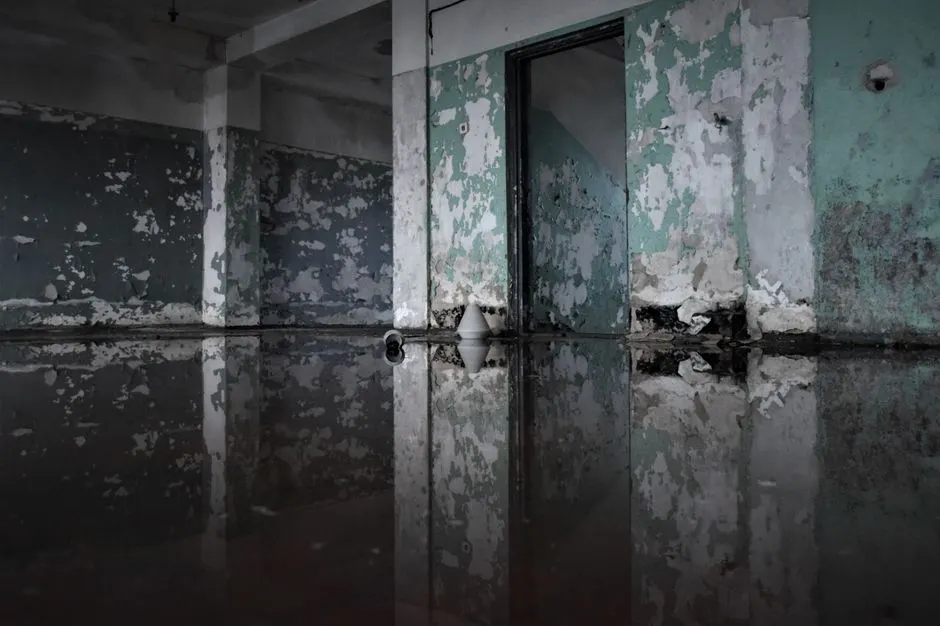

North Loop's adapted warehouse buildings, multi-unit housing, and cold-season temperature swings create distinct inspection questions. Older brick and timber buildings can have concealed moisture conditions, while shared plumbing means an odor or stain may cross a unit boundary. Winter condensation on windows and cold surfaces can recur, and roof leaks can appear after thaw. North Loop mold inspection and testing distinguishes these patterns through moisture checks, visual inspection, and targeted sampling where useful. We do not assume that every dark mark is mold or that every odor has the same source.
Historic warehouse buildings are often adapted for apartments, offices, and retail, with new finishes layered over older brick and timber. A plumbing leak or roof entry can affect a cavity before the surface changes. That construction makes a visible stain an incomplete map of the moisture pathway.
Winter temperature swings can make interior moisture condense on cold glass, frames, and exterior-facing walls. Repeated wetting can damage paint or trim, and occupants may mistake condensation for a plumbing or envelope leak. The timing and location of wetness help separate the possibilities.
Dense condominium and apartment occupancy creates shared-wall and shared-plumbing considerations. Water can travel through a wall or floor assembly and appear in a different unit from the source. A bathroom stain therefore needs context from repairs, neighboring spaces, and the building's plumbing layout.
Snow, freezing, and thawing can contribute to ice-dam-related leaks at roof edges. Moisture may show inside only after a delay, leaving a ceiling mark that appears unrelated to the weather. Older roof transitions can complicate the path from entry point to interior stain.
Call for Mold Inspection and Testing in North Loop when a musty odor persists after cleaning, a stain returns, or materials remain damp after a leak. Historic brick and timber buildings can hide moisture behind finished surfaces, while dense condominium layouts can make a shared plumbing issue look like a single-room problem. If you need a residential mold assessment in North Loop MN, describe the room, the timing, and any recent repair when you call. Those details help us focus the visit and decide whether sampling is useful.
Musty odor returns after surface cleaning
A recurring odor can indicate that moisture remains in a material, cavity, or nearby room even when the visible surface looks clean. In a North Loop loft, check whether the smell tracks a window, bathroom wall, or ceiling. An inspection helps identify the pattern and determine whether further investigation is justified.
Ceiling stain grows after thaw or rain
A stain that expands after rain or winter thaw deserves prompt moisture checking. Roof leaks and attic moisture can travel along framing before appearing inside, so the visible mark may not sit directly below the entry point. Photograph the stain and note when it changes; that timeline helps focus the inspection.
Window condensation persists on cold days
Condensation on windows and cold surfaces can leave repeated dampness at sills, trim, and adjacent finishes. During North Loop temperature swings, persistent moisture can damage paint and provide conditions for growth. We check the surrounding area and indoor humidity, then distinguish observable condensation from evidence of a hidden leak.
Bathroom discoloration returns beside shared walls
Repeated spotting near a vanity, tub, or plumbing wall can point to a leak or poor drying, especially in multi-unit buildings with shared plumbing. Cleaning the visible area will not correct a concealed source. We inspect the affected finish and accessible adjoining areas before recommending a sample or further access.
Materials stay damp after a plumbing leak
Wet drywall, baseboards, or flooring should be checked while the water source is controlled and drying is underway. Damp materials can support mold growth if moisture persists. We document readings and affected boundaries, then help you identify whether additional inspection or sampling is needed after the water damage.
Our arrival planning uses familiar North Loop reference points to distinguish nearby blocks and confirm the right building entrance. Target Field and Target Field Station help orient the western side of the area, while The Depot provides a recognizable reference toward the river and downtown edge. We use landmark names for navigation only; the inspection is based on your property, its reported symptoms, and accessible evidence. Before the visit, we confirm suite or unit details, entry instructions, and any loading or parking arrangements.
Target Field is a recognizable orientation point on the western edge of the North Loop area. It helps distinguish nearby streets and buildings when confirming an address, but it is not treated as a cause of property moisture concerns.
Target Field Station is a transit reference near Target Field and the surrounding district. It can help visitors identify the general approach to nearby blocks; the exact building entrance and unit details still guide arrival.
The Depot is a historic hotel and event venue near the river and downtown edge. It provides a familiar reference when locating nearby streets and planning the final approach to a North Loop property.
Bunny's Bar & Grill is a recognizable local business and useful orientation point for nearby North Loop streets. We use it only as a navigation reference while confirming the customer's actual address and building entry.
Plus surrounding Hennepin County neighborhoods, with same-day routing on most appointments.
As November brings colder conditions, North Loop property owners should watch for window condensation, cold-surface dampness, and roof leaks that become visible after a thaw. Winter temperature swings can affect older warehouse buildings and newer condominiums alike, though the moisture route differs by construction. Across the year, spring runoff, summer humidity, and fall roof preparation also change what you may notice. If you need mold testing after water damage in North Loop, Minnesota, share when the event happened and whether drying has started; timing helps interpret current readings.
Spring thaw and wet weather can expose basement water intrusion, roof leaks, and stains that began during winter. Lower-level spaces and older masonry deserve attention if odors appear after repeated wet periods. A stain that changes in size or color is more useful to document than a single isolated photograph.
Tip: Check visible plumbing and roof-adjacent areas after a leak, and record the date and affected room. If materials are wet, address the water source and drying first, then arrange an inspection to document remaining moisture.
Summer humidity can make poorly ventilated bathrooms and interior spaces feel damp, while air conditioning can create cold surfaces where moisture collects. North Loop apartments and commercial suites may have different ventilation patterns across rooms. Persistent odor or repeated surface growth deserves a source investigation.
Tip: Use exhaust ventilation during bathing and note whether odors change with HVAC operation. If a vent or duct is suspected, identify the room and operating conditions so inspection can focus on the relevant system and surrounding surfaces.
Fall is a useful time to notice roof, window, and plumbing concerns before freezing conditions complicate access and interpretation. Leaves and seasonal rain can reveal drainage or roof maintenance issues, while cooler nights may start window condensation. Older warehouse conversions require attention to both the exterior envelope and interior finishes.
Tip: Review any ceiling stains, window leaks, or recurring bathroom marks before winter. Keep notes on when they appear, and arrange inspection if the same area has returned after cleaning or repair.
Winter temperature swings can contribute to condensation on windows and cold surfaces, and ice-dam-related leaks may appear after thaw. Indoor humidity and exterior temperatures affect how quickly glass and trim become wet. A new stain after a freeze-thaw cycle should be compared with earlier conditions.
Tip: Dry visible condensation, keep furniture from blocking airflow at cold exterior walls, and photograph any recurring stain. If a surface stays damp or an odor develops, call for a focused moisture check rather than waiting for visible growth.
North Loop is part of our broader Minneapolis service area, and nearby neighborhoods share practical access routes while retaining different building types and inspection needs. We serve properties across Hennepin County, including the listed areas below, as well as Minneapolis ZIP codes 55404, 55405, and 55409. A nearby address does not change the inspection method: we begin with the reported symptom, identify moisture evidence, and choose sampling only when it answers a useful question.
(City)
Downtown Minneapolis borders the North Loop and shares a dense mix of apartments, offices, hotels, and commercial buildings.
View Downtown Minneapolis(City)
Northeast Minneapolis lies across the river from the North Loop, with access shaped by the river crossings and the specific destination.
View Northeast Minneapolis(City)
The Mill District is southeast of the North Loop and is part of the same central Minneapolis service pattern.
View Mill District(City)
Loring Park is southwest of the North Loop, with central Minneapolis routes connecting the areas.
View Loring Park(City)
Uptown is farther south than the North Loop and is included in our wider Minneapolis coverage.
View Uptown(City)
Linden Hills is in southwest Minneapolis and falls within the broader city service region rather than the North Loop core.
View Linden HillsReal answers from our team for the questions we hear most often before a job starts.
A recurring odor, fresh water stain, or damp wall in North Loop deserves a focused inspection before the problem spreads. Call Minneapolis Mold Testing at +18668968166 and tell us which room is affected, when you first noticed it, and whether a leak or repair occurred. We serve residential and commercial properties across Hennepin County, including the Warehouse District and Riverfront. Get a clear inspection plan and upfront pricing before work begins.
Call Minneapolis Mold Testing at +1 866-896-8166 to describe the affected room, recent water events, and any odor or visible growth. Our office hours are Monday through Friday, 8:00 a.m. to 6:00 p.m.; we respond during those hours to arrange the next practical step. We serve Minneapolis, Minnesota, including Hennepin County neighborhoods and nearby ZIP codes.
Phone
+18668968166Address
Minneapolis, Minnesota
Hours
Mon–Fri: 7AM – 7PM
Sat: 8AM – 4PM
Sun: Emergency Only
24/7 Emergency Available