Visual inspection and moisture mapping
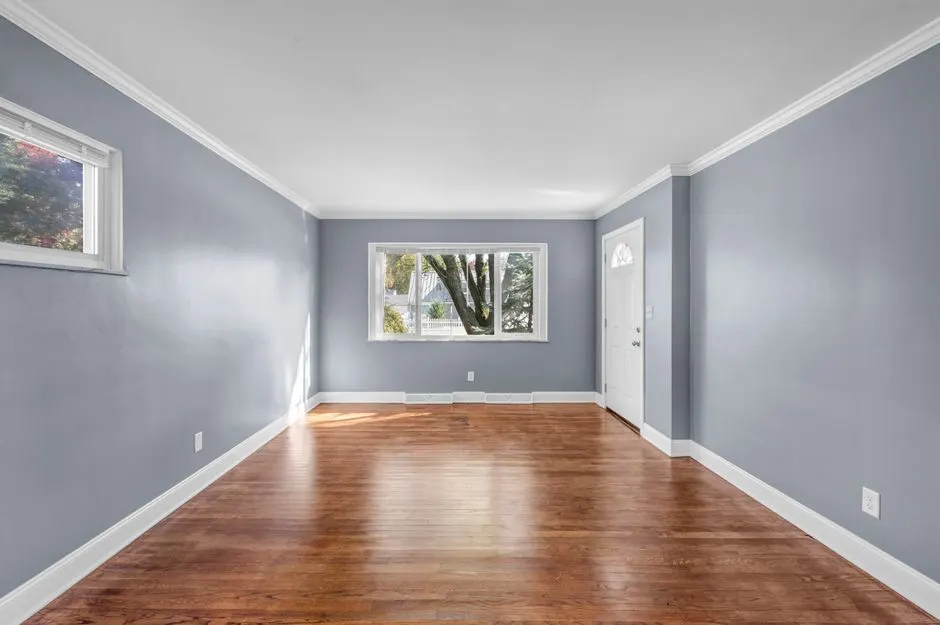
We begin with the reported concern, inspect accessible surfaces, and map moisture readings by location. Comparing a suspect spot with nearby material helps distinguish an isolated stain from a broader wet area. We note visible growth, musty odors, condensation, and areas that require access beyond the inspection.
Air sampling with comparison points
When airborne conditions are the question, we collect samples from selected indoor rooms and, when appropriate, an outdoor comparison location. Collection conditions, room use, and HVAC operation are documented because airborne particles vary over time. A result is interpreted with the inspection, not as a standalone verdict about the entire property.
Targeted surface sampling
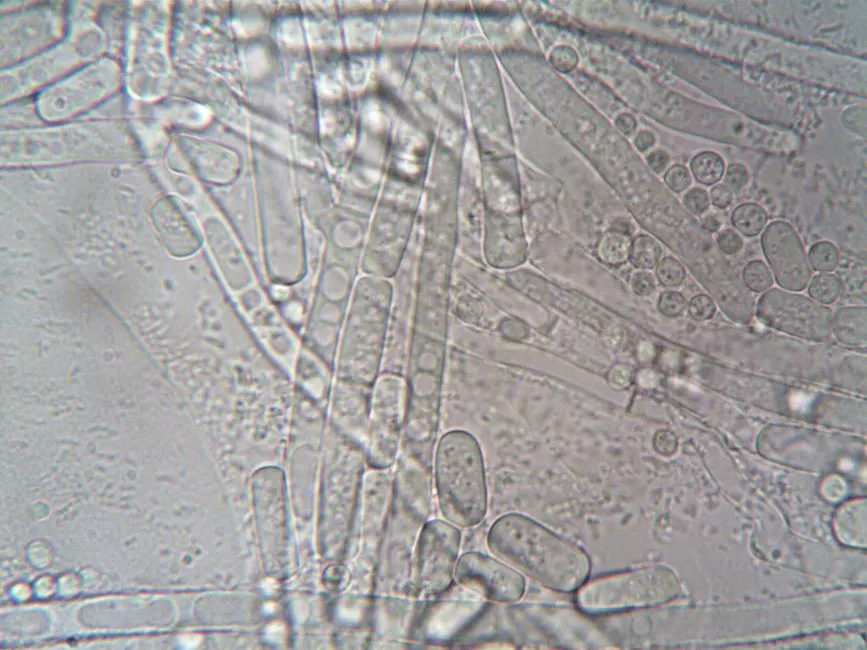
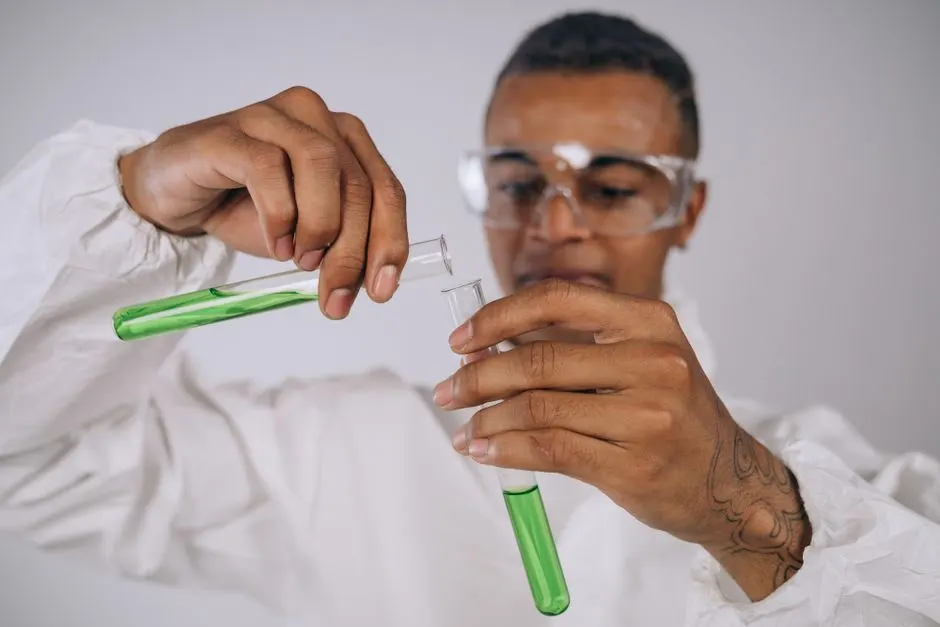
We use a sterile swab or tape-lift sampling slide on a selected surface where identification can inform the next step. Samples are labeled and handled to preserve location information. Surface testing describes the sampled area; it does not measure airborne exposure or establish the condition of hidden materials behind a wall.
Laboratory analysis and interpretation
Collected samples are submitted to a qualified laboratory for the requested analysis, with sample IDs tied to the report. Laboratory accreditation and method details matter when selecting a provider. We explain what the findings indicate for the sampled conditions and distinguish those results from moisture-source conclusions based on the site inspection.