Logo
Get Estimate

Commercial Mold Inspection Minneapolis MN

Find moisture sources, document conditions, plan your next step


Commercial Mold Inspection Minneapolis MN helps property owners, facility managers, and business tenants locate visible or hidden mold concerns and the moisture feeding them. We inspect offices, retail spaces, warehouses, and shared buildings across Minneapolis, Minnesota, using measured observations and targeted sampling when appropriate. If staff report musty odors, a leak has soaked materials, or mold has returned after cleanup, we identify affected areas and give you findings you can use to plan corrective work.

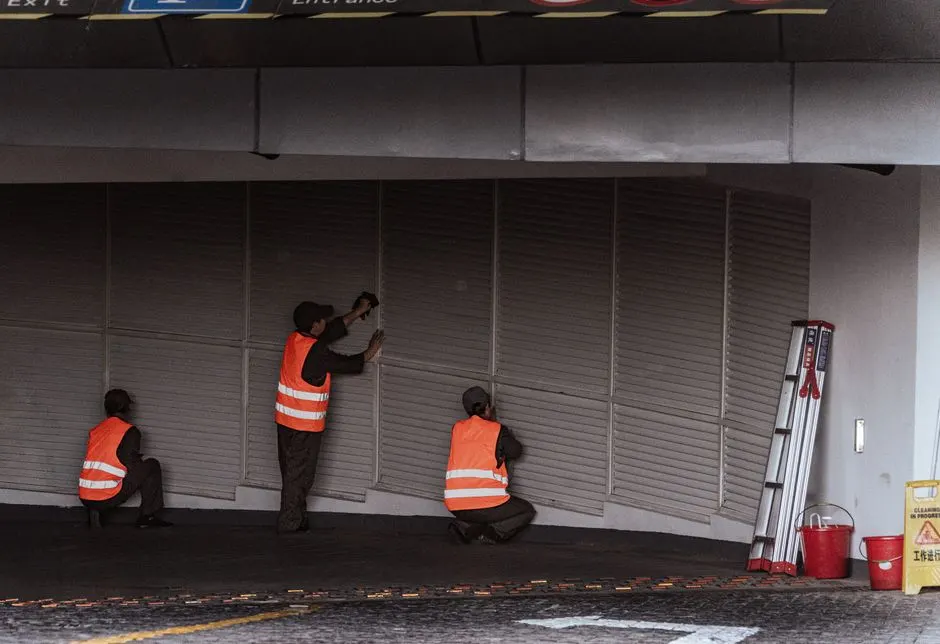
Three workers in safety vests install security shutters at an indoor entrance.
Licensed Licensed & Bonded
Fully Insured Insured & Bonded
24/7 Emergency Same-Day Response
Warranty Backed Workmanship Guaranteed in Minneapolis

What a Commercial Inspection Includes

A standard visit covers a review of the reported concern, visual inspection of accessible areas, moisture measurements, photographs, and a findings report. Targeted air or surface sampling is added when it helps answer a defined question and is discussed as part of the visit. Destructive opening, remediation, material removal, and repairs are separate work. We record access limits so you know which areas were examined and which require another step.

Building History Review

We ask about leaks, repairs, recurring odors, affected rooms, and when the problem appears. Your maintenance notes and photographs help us focus on likely pathways, including roof, plumbing, window, or HVAC concerns, rather than treating unrelated areas as one problem.

Visual Condition Survey

We examine accessible surfaces for visible mold growth, staining, material damage, condensation, and musty odors. Photographs and location notes make it easier for your property manager or contractor to understand what was observed in each room.

Moisture Measurements

We use a moisture meter on selected building materials and record relevant temperature or humidity conditions. Readings are compared with nearby reference locations where practical, helping identify damp patterns without claiming that a meter alone identifies mold.

Targeted Sample Collection

When sampling is appropriate, we collect air or surface material at documented locations and arrange laboratory analysis. The report identifies sample locations and results; sampling is selected to address your building question rather than applied as a routine substitute for inspection.

Findings and Next Steps

Your report summarizes observations, measurements, photographs, sample results when available, and recommended actions. We explain whether the next priority is stopping water entry, drying materials, checking a system, or arranging remediation and follow-up.

Commercial Mold Inspection Minneapolis MN: What It Covers


Commercial Mold Inspection Minneapolis MN is a building condition inspection that locates visible and suspected hidden mold, checks moisture sources, and determines whether targeted sampling can help answer a specific question. We review the history of leaks, odors, and prior cleanup, then examine accessible walls, ceilings, floors, storage areas, and HVAC concerns. A moisture meter and thermal imaging camera help identify damp patterns; readings guide the inspection but do not, by themselves, prove mold is present. You receive documented observations, sampling results when collected, and practical next steps.

Minneapolis businesses face winter condensation, spring thaw seepage, summer humidity, roof leaks, and plumbing failures in buildings ranging from older masonry offices to newer mixed-use spaces. A business mold inspection in Minneapolis is useful when odors persist, occupants notice recurring symptoms in a particular area, or a tenant improvement exposes damp materials. For a commercial property mold evaluation after water damage Minneapolis owners can use, we connect the visible condition to likely moisture pathways and identify areas that need drying, repair, or further investigation.

How the Inspection Works

Commercial Mold Inspection Minneapolis MN follows a practical sequence: understand the complaint, inspect the building, measure moisture, collect only relevant samples, and explain findings. We coordinate entry with your point of contact and keep the inspection focused on the rooms and systems connected to the concern. Most visits take two to four hours; larger or multi-tenant properties require additional time.

01

Schedule

Call or book online — a real human picks up and confirms a 2-hour arrival window.

02

Diagnose

Licensed tech inspects on-site, then walks you through the cause and your options.

03

Fix

The job is completed to code and done right the first time — no shortcuts, no surprises.

04

Guarantee

Every job backed by a written workmanship warranty — and we stand behind it.

Inspection Tools and Methods

Tools & Equipment

Moisture meter

We use a moisture meter to compare selected building materials and locate damp patterns. Readings support the visual inspection; they do not identify mold by themselves.

Thermal imaging camera

A thermal imaging camera helps locate temperature differences that may point to moisture or air leakage. We verify suspected areas with direct observations or moisture measurements.

Hygrometer

A hygrometer records indoor relative humidity and temperature, useful when assessing condensation on windows, cold surfaces, or other moisture-prone locations.

HEPA air sampling pump

When air sampling is appropriate, a HEPA air sampling pump draws a measured volume through a spore trap cassette for laboratory analysis and documented comparison.

Air-O-Cell cassette

An Air-O-Cell cassette collects airborne particles during a timed sample. We label the location and collection details so the laboratory result can be interpreted in context.

Borescope

A borescope allows a closer view of an accessible cavity through a small opening when authorized. It can help assess suspected hidden mold behind walls without broad exploratory demolition.

Methods & Standards

Moisture pathway inspection

We start with the reported symptom, then trace likely routes through connected materials and building systems. Measurements are compared at suspect and reference locations, with readings recorded alongside material type and room conditions. This method helps distinguish active dampness from an old, dry stain and gives your repair team a location to investigate.

Targeted air sampling

Air samples are collected only when they can answer a defined question about airborne particles in a particular room. We use documented collection locations and a suitable spore trap cassette, then send samples for analysis. Results are reviewed with the building history and visual findings; one air result alone does not establish the full condition of a property.

Surface sampling

For a specific visible area, we may collect material with a sterile swab or tape-lift slide. The sample can help characterize what is present at that surface, while moisture checks and visual inspection address why the condition developed. We record the exact location so results remain connected to the affected material.

Occupied-building coordination

We plan inspection routes with your facility contact, note restricted rooms, and limit interruptions around staff and customer activity. For active business spaces, we prioritize the complaint area first and coordinate any brief sampling setup. This keeps the inspection orderly while preserving clear notes about access and conditions.

When to Schedule an Inspection

01

A North Loop office develops a musty odor after snowmelt, but no ceiling stain is visible.

What we do: We inspect the reported suite and nearby roof or window pathways, check dampness in accessible materials, and compare the room with a nearby reference area. If the odor suggests a concealed source, we document where further access would answer the question and whether sampling is useful.

→ Your facilities team gets a location-based record of moisture clues and a prioritized next step, helping distinguish a minor surface condition from a building issue that needs repair.

02

A Minneapolis retail tenant finds water under a sink before opening after a weekend leak.

What we do: We document the affected cabinet, wall, floor, and adjoining room, then take moisture readings at selected points. We identify materials that remain damp and note whether visible growth or odor is present. The inspection can support a same-day mold assessment for Minneapolis businesses when access and scheduling align.

→ You can direct drying and plumbing repairs to the affected area, keep unaffected sales space operating, and retain photographs and measurements for the property record.

03

A warehouse manager notices recurring growth on an exterior wall beside stored inventory.

What we do: We coordinate a safe access lane, inspect the wall and nearby materials, and measure conditions at accessible locations. We consider condensation, roof entry, and stored goods that restrict airflow. If needed, we recommend moving a specific section of stock so the wall can be checked more fully.

→ The report identifies the observed condition and moisture pattern, giving your team a practical repair and storage plan that reduces repeat damage to the space and inventory.

04

A Minneapolis property manager needs documented findings before approving cleanup in a shared office building.

What we do: We review the complaint history, inspect the affected suite and connected common areas, and collect targeted samples only when they help answer the project question. Photographs, room labels, and readings make it easier to share findings with the owner, tenant, and remediation contractor.

→ Decision-makers receive a common record of conditions and recommended priorities, reducing confusion over which areas need immediate attention and which can remain in normal use.

How Commercial Inspection Works in Minneapolis

Minneapolis buildings face hard seasonal swings: winter indoor heating can create condensation at cold windows and exterior walls, while spring thaw and heavy rain expose roof, foundation, and drainage weaknesses. Older masonry and converted industrial spaces often have layered finishes or concealed service routes; newer offices can still develop leaks around rooftop equipment, plumbing, and curtain-wall details. We adapt the inspection to the building's age, occupancy, and complaint rather than using one checklist for every property. A Minneapolis commercial mold assessment starts with the reported location, then follows moisture clues into connected rooms and accessible systems. For a commercial property mold evaluation after water damage Minneapolis managers need, we record affected materials and check surrounding areas to define the practical boundary. We serve Hennepin County businesses and coordinate with owners, tenants, and maintenance staff. Minnesota Department of Health mold guidance informs straightforward moisture-control recommendations; the inspection itself documents observed conditions and does not replace repairs or remediation.

Neighborhoods We Serve

  • North Loop

    Converted industrial buildings and active commercial suites can have mixed construction details. We pay attention to roof transitions, shared walls, and any moisture path connected to the reported room.

  • Downtown Minneapolis

    Multi-tenant towers require coordinated access and clear room labels. We work with your building contact to keep inspection notes tied to the correct floor, suite, and common area.

  • Northeast Minneapolis

    Older commercial and mixed-use properties can have masonry walls, basements, and varied renovation history. We consider those assemblies when investigating persistent dampness or recurring odors.

  • Uptown

    Retail and office spaces often need inspections planned around customer hours. We focus the visit on affected rooms and coordinate access with the business contact.

Local Conditions We Plan For

  • Winter condensation forms at cold windows and exterior wall corners.

    Warm indoor air meeting cold surfaces can leave repeated dampness at frames, sills, or concealed edges. We record room conditions and check materials near the pattern to separate condensation clues from a plumbing or envelope leak.

  • Spring thaw reveals basement seepage and foundation moisture.

    Below-grade storage and work areas can remain damp after visible water recedes. We check accessible wall and floor edges, note affected contents or finishes, and identify whether moisture appears localized or continues across connected areas.

  • Roof leaks follow heavy rain or ice-related drainage problems.

    Water can travel above ceilings before staining appears, so the visible mark may not align with the entry point. We inspect nearby ceiling materials and document moisture patterns that help a roofing contractor trace the route.

Tracing an Office Roof Leak

Before

A Downtown Minneapolis office had a brown ceiling mark and a musty odor after repeated roof leaks. Staff had moved desks away from the stain, but the property team did not know whether the adjoining conference room was affected. The visible mark covered less than one ceiling tile, and no moisture readings had been recorded.

After

We checked the stained ceiling, nearby wall, and conference-room boundary, recording moisture at six locations and photographing the affected area. The inspection identified damp material beyond the visible mark and a dry reference area. The property team received a focused roof-check and drying priority rather than a recommendation to treat the entire floor.

Maintenance: After roof repair, the manager scheduled a follow-up moisture check and kept a simple leak log. Staff now report new staining promptly, and maintenance checks the ceiling after significant rain instead of waiting for an odor.

Before

A Minneapolis business found visible growth on a storage-room wall for the second time in one year. The prior cleanup removed the surface mark, but boxes remained tight against the wall and the source of dampness was unknown. The room smelled musty after periods of heavy rain.

After

The inspection measured conditions at eight wall and floor locations, compared the affected wall with an interior reference, and documented the restricted airflow behind stored goods. Findings directed the owner to check the exterior water pathway, move stock away from the wall, and dry the affected materials before refinishing.

Maintenance: Keep a 6-inch clearance between stored goods and the inspected wall, check the area monthly during wet periods, and record any new odor or staining. After source correction, verify the wall is dry before replacing finishes.

Before

After a pipe leak, a Hennepin County office had wet carpet at the service room doorway and uncertainty about the adjacent corridor. The maintenance crew removed standing water but had not mapped the damp boundary. Staff needed to know which rooms could remain in use during drying.

After

We inspected the service room, doorway, and corridor, recording moisture at ten points and photographing the material transitions. The findings separated the wet service-room edge from the unaffected corridor reference area. The facility team used the map to focus drying equipment and schedule a targeted follow-up check.

Maintenance: Check the repaired pipe connection, keep a record of drying readings, and recheck the doorway after equipment is removed. If readings remain elevated or an odor develops, arrange a follow-up inspection before restoring the affected finish.

Problems a Commercial Inspection Can Resolve

Commercial buildings often show the symptom far from the source: an odor in a conference room can trace back to a damp ceiling or shared wall. We connect visible conditions, moisture readings, and building history so you can respond to the cause. An inspection also helps decide when sampling or further access is worth doing.

Problem

Musty odors persist in occupied rooms without visible mold.

Staff complaints can continue while a concealed leak or damp material remains untreated, and the odor may spread through connected spaces or operating areas.

Our Fix

We inspect the reported room and adjoining areas, check moisture at likely pathways, and consider HVAC concerns when evidence points there. If access behind a finish is needed, we explain why and identify the location. Targeted air or surface sampling can help answer a specific question, but the report keeps physical observations separate from test results.

Problem

Visible growth returns after a contractor has cleaned the surface.

Replacing finishes without stopping the source can lead to recurring damage, repeated work, and more disruption for employees, tenants, or customers.

Our Fix

We compare the affected area with nearby materials and investigate likely moisture routes, including plumbing leaks, roof entry, condensation, and incomplete drying. Your findings document the location and moisture evidence so the repair team can address the source before restoring finishes. Follow-up inspection can then assess the corrected area.

Problem

Water damage leaves uncertainty about which business areas were affected.

Without a clear boundary, repairs may miss damp materials or interrupt unaffected rooms longer than needed, complicating a safe return to normal use.

Our Fix

We map visible and moisture-affected areas, check adjacent rooms, and photograph conditions after the event. A water damage and mold assessment identifies where drying and repair should focus and whether mold-specific sampling can answer an outstanding concern. Your team can use the record to coordinate maintenance and contractors.

Problem

A warehouse or office has hidden dampness behind stored goods or finishes.

Blocked access can conceal deterioration and allow a small moisture problem to affect inventory, wall materials, or nearby occupied work areas.

Our Fix

We plan access with your site contact, inspect representative surfaces and accessible concealed edges, and note obstructions that limit the survey. A warehouse mold inspection Minneapolis MN businesses request can include targeted measurements around the reported zone, followed by clear recommendations for moving stock or opening a specific area if warranted.

Clear Findings, Practical Decisions

Clear Findings, Practical Decisions

A useful inspection turns uncertainty into a map of conditions and priorities. We separate observed moisture from suspected growth, explain where sampling adds value, and give your building team a sequence for response. That helps you coordinate occupants, maintenance staff, and restoration contractors without treating every stain as the same problem.

  • Locate Moisture Patterns

    We check likely entry points and adjoining materials instead of stopping at a visible stain. Moisture readings at several heights can show whether a wall is drying or still receiving water. For a Minneapolis commercial mold assessment, that distinction helps your team address the source before replacing finishes or reopening a repeatedly affected room.

  • Target Sampling Carefully

    Air or surface samples answer defined questions; they are not a substitute for inspecting the building. We select locations based on the complaint, building layout, and control conditions, then document the collection points. That approach gives a commercial mold inspector Minneapolis MN clients can work with a more useful basis for comparing affected and unaffected areas.

  • Reduce Disruption

    We plan access around occupied suites, operating hours, and sensitive areas such as reception desks or stock rooms. A focused inspection of a 2,000-square-foot suite often takes two to four hours, depending on access and conditions. Your staff receive clear instructions about rooms being checked and any brief sampling pause.

  • Support Corrective Work

    The report records locations, moisture observations, photographs, and laboratory findings when samples are analyzed. Your maintenance lead can use those details to brief a roofer, plumber, or remediation contractor. If cleanup has already occurred, comparison of the work area and surrounding surfaces helps identify whether the moisture source and visible concern were addressed.

Training and Documentation

Licensed & Certified

  • IICRC Applied Microbial Remediation Technician — issued by Institute of Inspection, Cleaning and Restoration Certification
  • IICRC Applied Structural Drying — issued by Institute of Inspection, Cleaning and Restoration Certification
  • ACAC Council-certified Indoor Environmentalist — issued by American Council for Accredited Certification
  • EPA Mold Course Certificate — issued by U.S. Environmental Protection Agency

Verified Reviews

Google Not stated

A Minneapolis property manager described a focused inspection after a roof leak, with moisture readings at the ceiling and adjoining wall. The report helped direct the roofer to the affected area and gave the facilities team a useful record for checking the repair.

Google Not stated

A local business owner reported recurring growth in a storage room. The inspection checked the wall and surrounding moisture conditions, then explained why the source needed attention before replacement materials went in. The owner used the documented findings to plan cleanup and repair.

Yelp Not stated

A Downtown Minneapolis office contact needed a clear boundary after a lower-level water event. The inspection documented wet and reference locations with photographs and readings, helping the maintenance crew focus drying on the affected room instead of disrupting the full corridor.

Field Knowledge for Commercial Buildings

Commercial properties need an inspection that accounts for occupancy, concealed assemblies, shared mechanical systems, and business continuity. Our team applies local experience to trace moisture complaints through the building rather than relying on a single air sample. We follow recognized investigation practices, use calibrated measurement tools, and explain what each finding does and does not establish. Training relevant to microbial investigation and structural drying informs the work; the report stays grounded in observed conditions, documented readings, and laboratory results where samples are collected.

  • We document temperature and relative humidity alongside moisture readings, giving your facility team context for condensation and damp-material patterns.
  • Sampling plans use clear locations and collection notes so an independent laboratory can analyze the submitted media and report its findings.
  • Our inspection considers HVAC and duct contamination concerns when the complaint, visible conditions, or maintenance history points to a system pathway.
  • We use Minnesota Department of Health mold guidance as a practical reference for communicating building conditions and moisture-control priorities.
  • For water events, we distinguish wet materials from suspected microbial growth and flag when drying or further opening is needed.
Get Started Today
Field Knowledge for Commercial Buildings

Commercial Mold Inspection FAQs

Real answers to the questions we hear most often from local homeowners and property managers.

What is included in a commercial mold inspection in Minneapolis?
A commercial inspection includes a history review, visual examination of accessible areas, moisture checks, photographs, and targeted sampling when it answers a specific question. We check materials and conditions around reported odors, leaks, staining, and suspected growth. A visit for a 2,000-square-foot suite often takes two to four hours. Your findings report identifies locations, readings, sample results when available, and practical next steps.
How much does commercial mold assessment cost in Minneapolis MN?
A focused commercial mold assessment in Minneapolis MN commonly costs $450 to $1,800, with larger or complex properties reaching $3,500 or more. Typical 2026 pricing in this area depends on square footage, number of affected rooms, access, urgency, and laboratory samples. We explain the price before work begins. Testing is selected to answer the building's question, not added automatically to every inspection.
Can a business schedule a same-day mold inspection in Minneapolis?
Yes, same-day mold assessment for Minneapolis businesses is possible when a technician and site access are available. Call with the property address, affected area, water-event timing, and operating hours so we can identify the needed access and inspection focus. A site visit may take two to four hours; laboratory analysis takes longer than field inspection. For active leaks, arrange source control and safe access first.
Who should inspect mold in a commercial building?
Choose an indoor environmental professional trained to inspect moisture conditions, document findings, and collect samples using a defined method. Ask how the inspector distinguishes visual observations from laboratory results and whether the report identifies moisture sources. An independent business mold assessment near Minneapolis can help when the owner, tenant, or insurer needs documented findings before remediation or repair.

Related Building Services

Residential Mold Inspection

A residential inspection addresses mold concerns in a home, while commercial work focuses on occupied business space and building operations. Minneapolis owners who manage both a residence and a storefront can use the same moisture-focused approach to trace odors, leaks, and visible growth in each property.

View Residential Mold Inspection

Mold Testing and Sampling

Sampling supports a commercial inspection when air or surface evidence will answer a defined question. We document where samples were collected and arrange laboratory analysis. For Minneapolis businesses, targeted collection is more useful than sampling without a specific concern, comparison area, or decision the result will inform.

View Mold Testing and Sampling

Air Quality Testing for Mold

Air testing examines airborne particles in selected locations and can help investigate a persistent odor or occupant concern. It complements a Minneapolis commercial inspection, which also checks moisture and building materials. We explain collection conditions and laboratory results so you can interpret them alongside the physical inspection.

View Air Quality Testing for Mold

Surface Mold Testing

Surface testing collects material from a visible spot using an appropriate sampling method. It can help characterize a specific area in a Minneapolis office or retail space, but it does not locate the moisture source. We connect the result with nearby materials, photographs, and moisture readings.

View Surface Mold Testing

Indoor Air Quality Assessment

An indoor air quality assessment broadens the investigation beyond suspected mold to factors such as ventilation, humidity, and occupied-space conditions. Minneapolis property managers may choose it when complaints extend across multiple rooms or do not match visible growth. Findings help prioritize the next building-system checks.

View Indoor Air Quality Assessment

Mold and Moisture Assessment

This service concentrates on dampness patterns and the conditions supporting growth. For Minneapolis commercial properties, it can help after a roof leak, plumbing failure, or basement seepage. We map affected materials and recommend source correction and drying before cosmetic repairs conceal the evidence.

View Mold and Moisture Assessment

Book Commercial Mold Inspection Minneapolis MN

A persistent odor, roof leak, or damp office should be checked before finishes hide the evidence. Call Minneapolis Mold Testing at +18668968166 to discuss the affected rooms and arrange a commercial inspection. Our technicians document moisture conditions and explain the next practical step.

Call Today Schedule Inspection

Contact Minneapolis Mold Testing

Call Minneapolis Mold Testing at +1 866-896-8166 to describe the affected room, recent water events, and any odor or visible growth. Our office hours are Monday through Friday, 8:00 a.m. to 6:00 p.m.; we respond during those hours to arrange the next practical step. We serve Minneapolis, Minnesota, including Hennepin County neighborhoods and nearby ZIP codes.

Or call us right now at +18668968166 — we answer.

Minneapolis Mold Testing


  • Phone

    +18668968166
  • Address

    Minneapolis, Minnesota

  • Hours

    Mon–Fri: 7AM – 7PM
    Sat: 8AM – 4PM
    Sun: Emergency Only
    24/7 Emergency Available

Call +18668968166 Get Quote
Call Quote