
Loring Park
The neighborhood's namesake park provides a clear orientation point for addresses in the surrounding area. It helps distinguish Loring Park from nearby neighborhoods when confirming a property location.

Mold Inspection and Testing in Loring Park is an indoor environmental assessment that locates moisture conditions and evaluates suspected mold when occupants see growth, smell persistent mustiness, or need answers after water damage. We inspect homes and commercial spaces across Hennepin County, including Loring Park, Lowry Hill East, Steven's Square, Downtown West, and nearby Whittier. The area's historic apartment buildings, condominiums, and older homes often have shared plumbing chases or wall assemblies that call for a careful, room-by-room investigation.
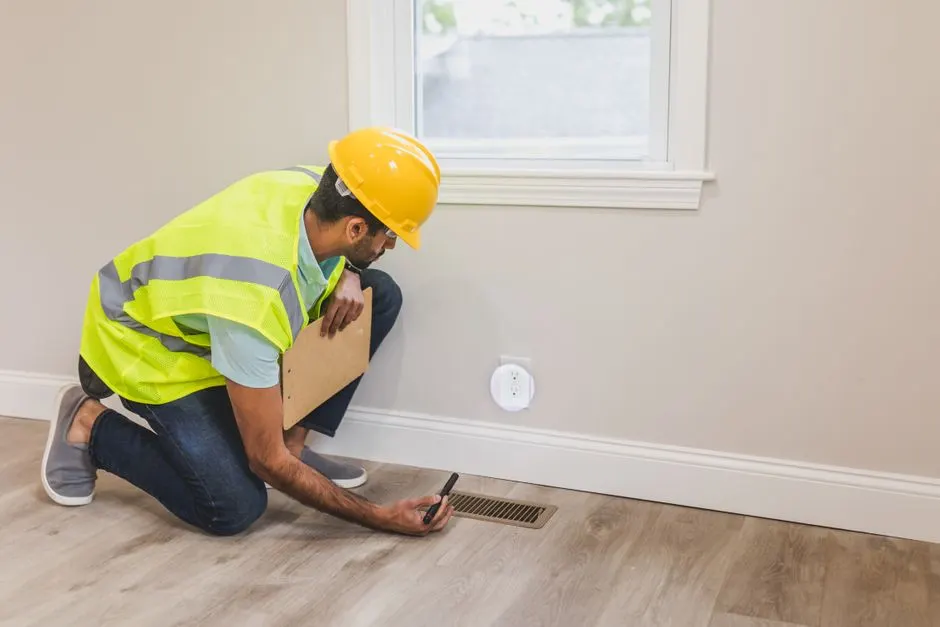
Our Loring Park mold inspection and testing starts with your reported symptoms and the building's water history. We check accessible surfaces, use a moisture meter to compare suspect areas, and look for condensation patterns at windows and exterior walls. If sampling will answer a defined question, we explain the method and collect appropriate samples rather than treating a single result as a diagnosis. That distinction matters when you are considering repairs or discussing an issue with a property manager.
We document observations and findings in plain language, then outline whether the next step is source repair, further evaluation, or post-remediation verification. You can call about a condo near the Minneapolis Sculpture Garden or an older home in ZIP code 55404 and get a location-aware inspection plan.
Loring Park properties bring a mix of older plumbing, shared walls, compact apartments, and single-family layouts, so the right inspection depends on the building and the question you need answered. We provide residential and commercial inspections, targeted sampling, moisture assessments, and post-remediation checks. If you are searching for mold inspection and testing near me in Loring Park MN, tell us where the odor, leak, or visible growth is located and when it began. That helps us plan access and focus the visit.
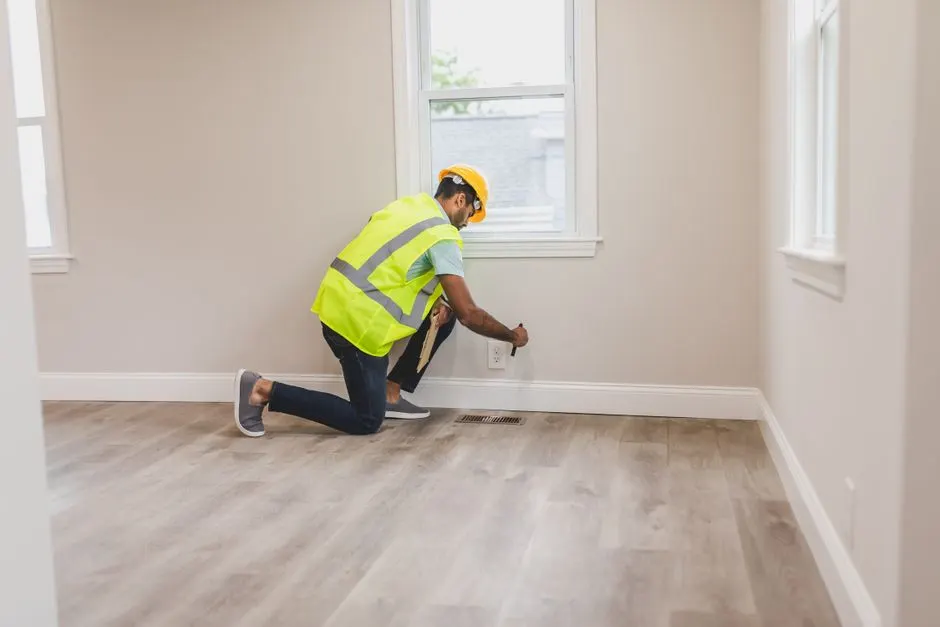
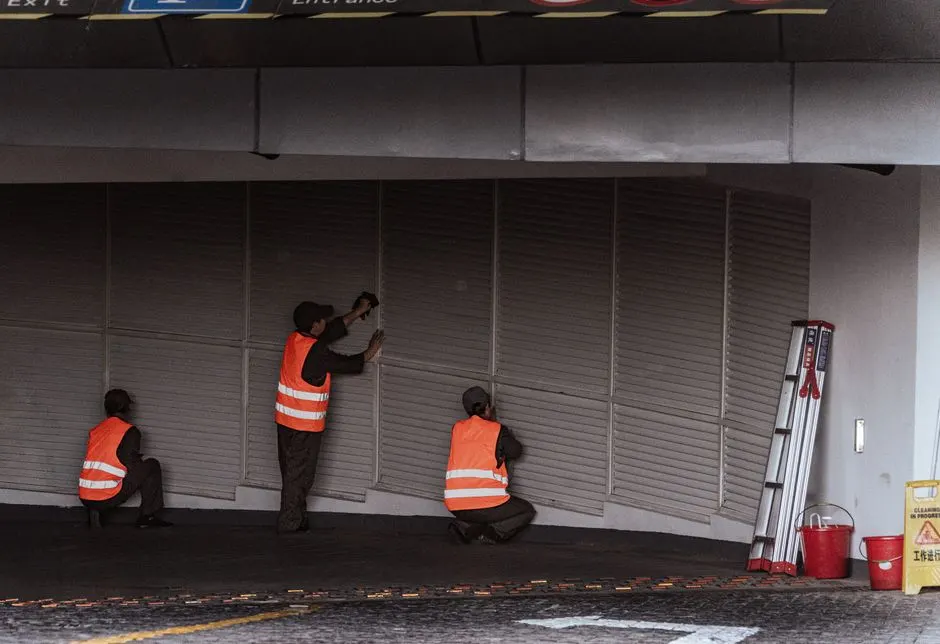

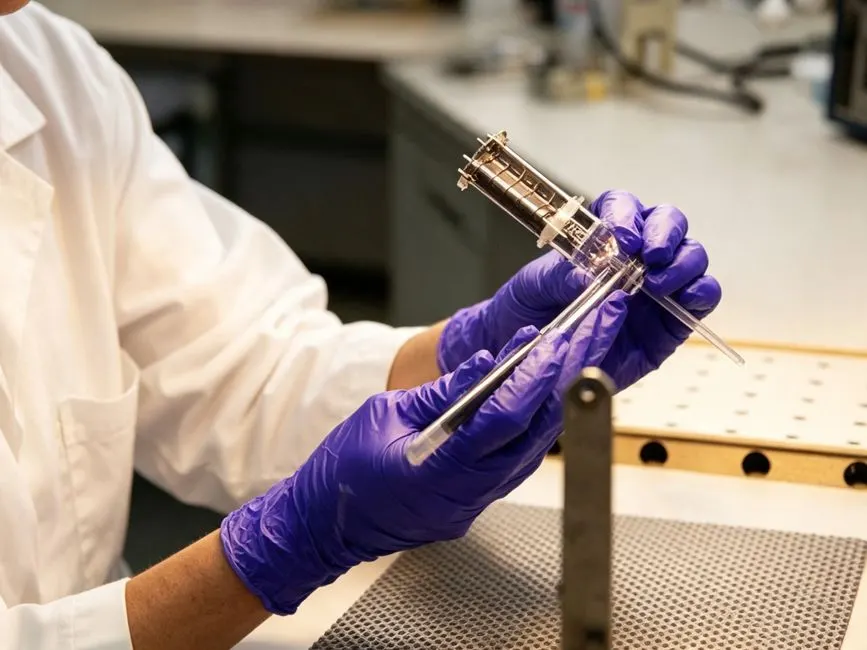
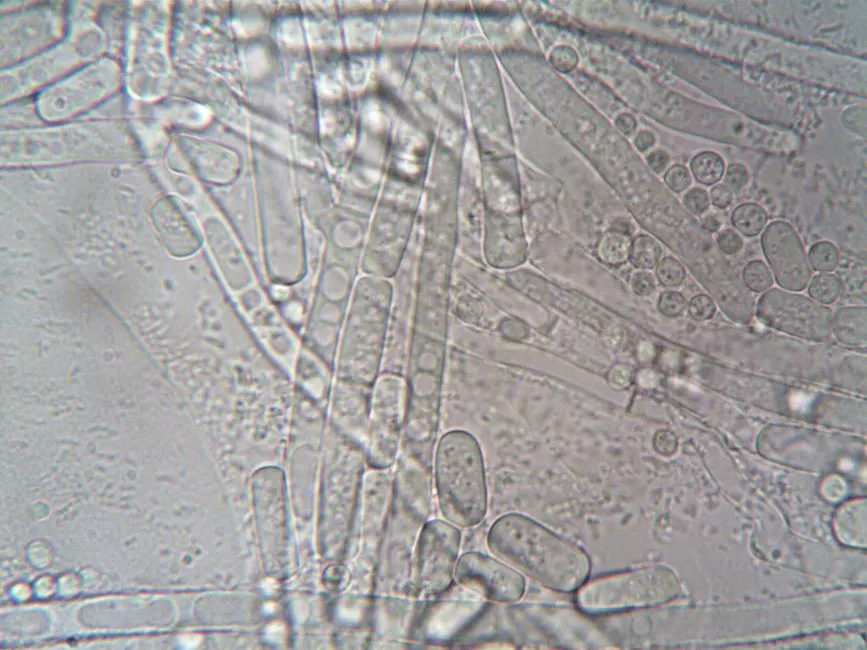


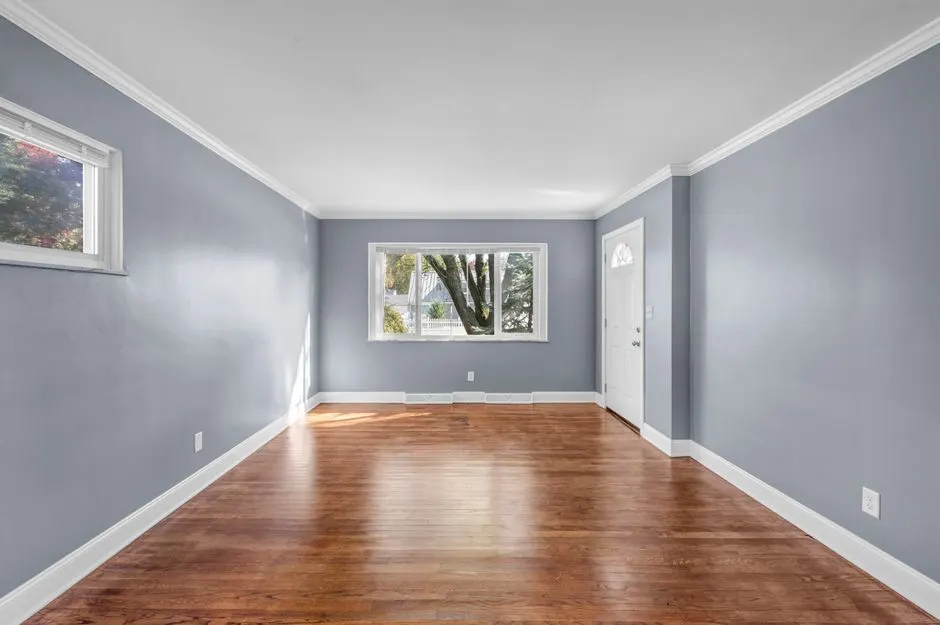
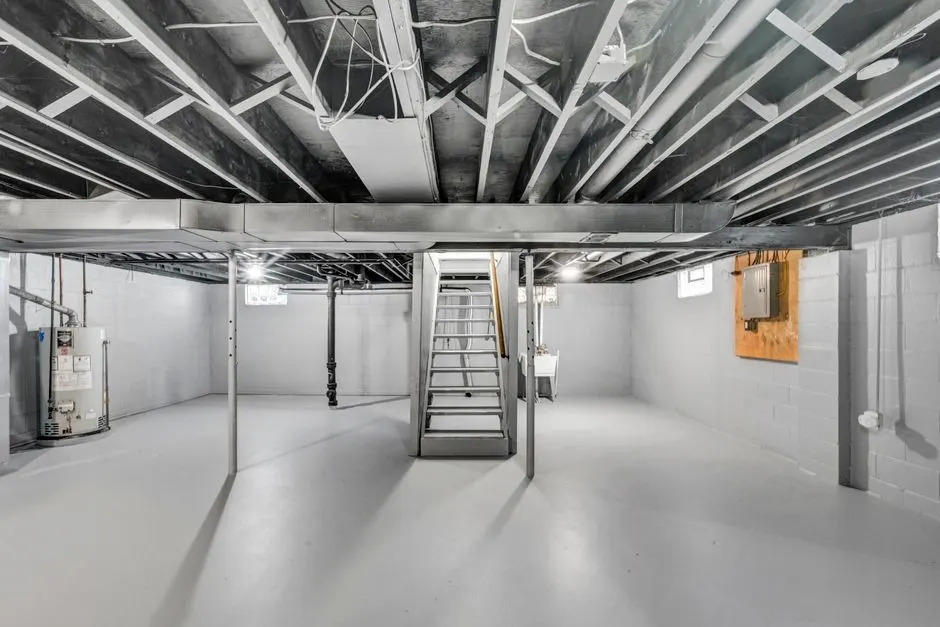
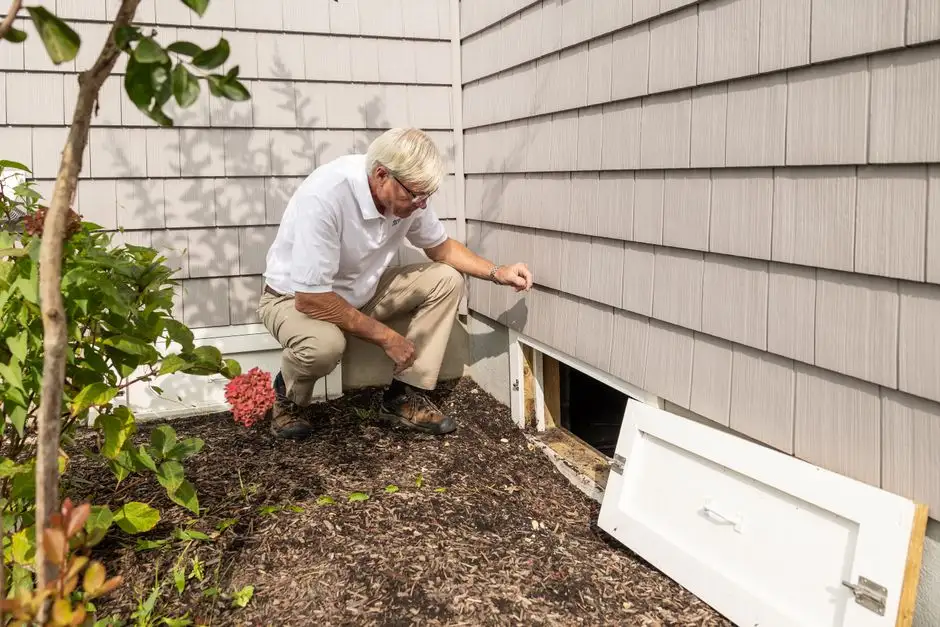
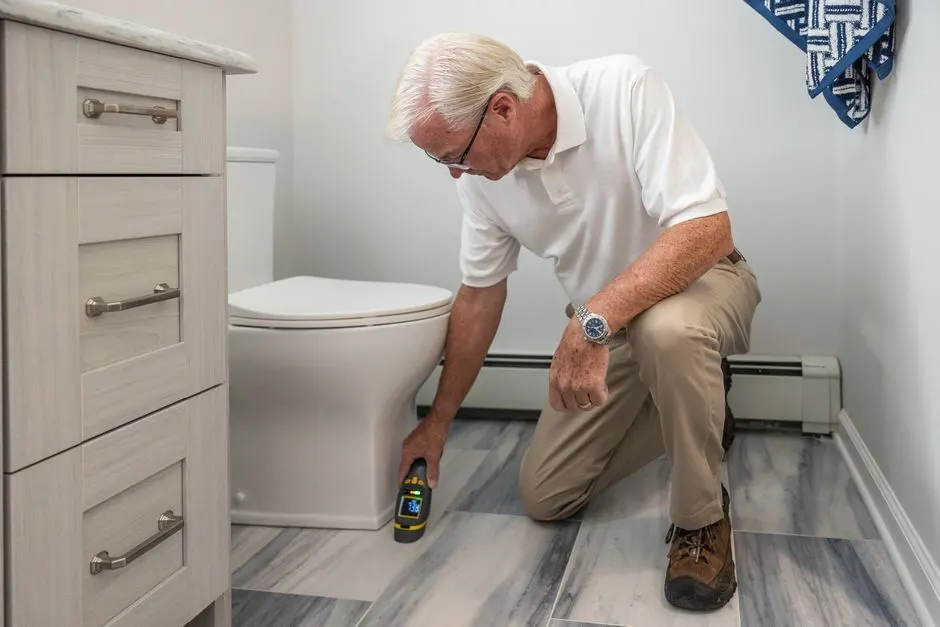

Older housing, shared building assemblies, and Minneapolis winter conditions shape many Loring Park moisture investigations. Cold windows and exterior walls can collect condensation, while older plumbing systems create leak paths that are not always visible from the affected room. Basement water intrusion, roof leaks, and attic moisture also need to be assessed based on the property's actual history. Our mold assessment services in Loring Park start with observed conditions and moisture checks rather than assumptions about a building's age.
During cold weather, warm indoor air can meet cold window glass or exterior surfaces and leave water on frames or trim. If the same area stays damp, finishes can deteriorate and visible growth may develop. The pattern should be distinguished from water entry through the window assembly.
A slow leak may remain unnoticed behind a fixture or within a wall until a stain or odor appears in a different room. Multi-unit buildings can complicate access because the plumbing route may pass through shared areas or another unit.
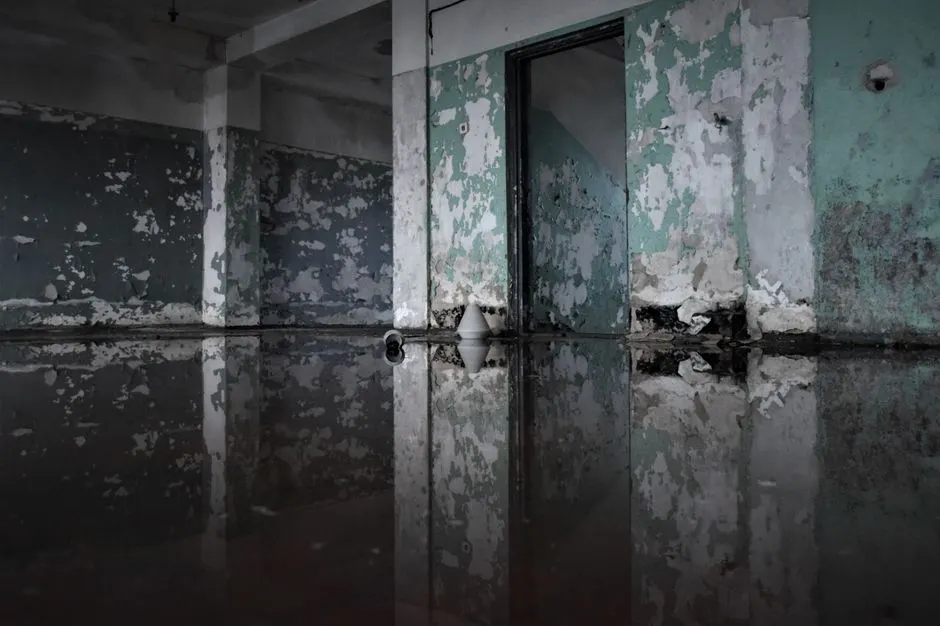
Water entering a basement can affect masonry, stored items, framing, or finishes, and the odor may remain after standing water is gone. The water history and the materials involved determine what needs inspection; odor by itself does not identify a single source.
A roof leak can wet materials from above, while indoor moisture reaching cold attic surfaces can contribute to condensation. These conditions can create similar-looking staining but require different follow-up, particularly after a winter or storm event.
Call for Mold Inspection and Testing in Loring Park when you see recurring growth, smell mustiness that does not clear, or find damp materials after a leak. A water mark can remain after a surface dries, so the important question is whether moisture is still present and where it came from. If you need a residential mold assessment in Loring Park MN, describe the room, the building type, and when the concern began. That gives us a useful starting point.
Musty odor returns after the room airs out
A persistent odor can come from damp material inside a wall, under flooring, or near a plumbing route. Opening a window may reduce the smell without addressing the source. If the odor returns in the same location, arrange an inspection to check accessible surfaces and moisture indicators.
Dark spots reappear after surface cleaning
Visible mold growth that returns can indicate ongoing moisture, not simply a need for another cleaning. Note where it appears and whether the area is near a window, bathroom, or plumbing fixture. Avoid covering the spot with paint before the source is understood.
A ceiling stain follows a leak or roof event
Water can travel beyond the point where it first becomes visible, especially through ceilings and shared assemblies. A dry-looking stain does not confirm that the materials behind it are dry. Inspection helps establish the affected area and whether additional access is needed.
Window frames stay wet during cold weather
Condensation on windows and cold surfaces can repeatedly wet nearby trim or wall finishes. Check whether moisture appears during cold periods and whether the pattern follows the glass or extends into adjacent materials. An inspection can separate condensation clues from a suspected leak.
A room smells different when the HVAC runs
A change in odor when heating or cooling starts can prompt concern about damp materials near equipment or accessible duct components. The odor alone cannot establish mold in the system. We inspect accessible areas and help determine whether targeted sampling would answer the question.
We use familiar Loring Park landmarks as orientation points when confirming an address and planning the route, not as claims about where mold problems occur. The Walker Art Center and Minneapolis Sculpture Garden help distinguish nearby destinations, while the Basilica of Saint Mary and Minneapolis Convention Center are useful reference points for reaching surrounding streets. Tell us your building entrance, parking instructions, and unit number so we can arrive at the correct access point.
The neighborhood's namesake park provides a clear orientation point for addresses in the surrounding area. It helps distinguish Loring Park from nearby neighborhoods when confirming a property location.
The Walker Art Center is a recognizable local landmark used to orient visitors in the area. An address near it can help clarify which part of the Loring Park service area a property occupies.
The Minneapolis Sculpture Garden is a prominent orientation point near Loring Park. It can help callers describe a nearby block or confirm the general direction of a service address.
Plus surrounding Hennepin County neighborhoods, with same-day routing on most appointments.
Averaging 4.9 / 5 across verified reviews.
“We had a musty smell near a bedroom window in our Loring Park condo and wanted more than a quick guess. The inspector checked the frame and nearby wall, took moisture readings, and explained what the readings could and could not tell us. We left with a clear list of observations and a sensible next step for the building manager.”
Dana R.
Loring Park
“After a bathroom leak in our older apartment, we needed the affected area checked before repairs moved ahead. The visit covered the stain, the adjoining wall, and the accessible plumbing area. The explanation was direct, and the report made it easier to coordinate access with the property contact.”
Michael T.
Steven's Square
“We called about a recurring basement odor while getting our home ready for sale. The inspection focused on the water history and the surfaces that showed signs of dampness. We appreciated that sampling was discussed as a tool for a particular question, not presented as an automatic answer for every room.”
Priya S.
Whittier
As November turns toward winter, Loring Park residents should watch for condensation at windows and exterior walls, especially where rooms stay humid or ventilation is limited. Cold-season moisture can leave repeated dampness on trim, while spring thaw and summer storms bring a different set of leak and basement questions. If a pipe leak or roof event has affected your home, mold testing after water damage in Loring Park, Minnesota should follow an inspection of the actual wet area. Seasonal timing helps explain the pattern, but the building evidence guides the assessment.
Thaw and spring rain can reveal basement seepage, roof leaks, or stains that were less obvious during winter. In Loring Park homes, check lower-level walls and ceilings below known roof or plumbing areas after wet weather.
Tip: Photograph new stains and note when they appear. If materials remain damp or an odor develops, arrange an inspection before repairs cover the affected area.
Warm, humid periods can make damp basements and poorly ventilated rooms smell stronger. Air conditioning can also create cold surfaces where moisture patterns deserve attention, particularly around windows and equipment.
Tip: Keep a note of rooms where odor changes with cooling or after rain. We can inspect the affected materials and check whether sampling adds useful information.
As outdoor temperatures fall, windows and exterior walls become colder than indoor air. Loring Park residents may notice condensation or recurring damp trim before winter sets in, while roof and attic concerns can follow autumn storms.
Tip: Check window corners and ceilings after storms. Report repeated wetness early, before you repaint or seal a surface that may still have a moisture source.
Winter condensation around windows and cold exterior walls is a common building concern in Loring Park. Wet frames, peeling paint, and damp corners can develop even without a plumbing leak, while frozen or leaking pipes require prompt attention.
Tip: Dry visible condensation and track whether it returns in the same place. Call promptly after a pipe leak, and tell us which rooms and building contacts are involved.
Loring Park is one stop within our broader Minneapolis service region. We coordinate nearby appointments by property access, inspection purpose, and the rooms involved, while keeping each report specific to the building evaluated. If you manage more than one property, tell us the locations and concerns at booking so we can plan a sensible route across the area.
(City)
Downtown Minneapolis borders the Loring Park area, so properties in the two service zones often share a central-city access and parking context.
View Downtown Minneapolis(City)
North Loop is another Minneapolis service area north of Loring Park, with appointments coordinated as part of our wider city coverage.
View North Loop(City)
Northeast Minneapolis lies across the central city from Loring Park and is served through the same Minneapolis inspection and sampling services.
View Northeast Minneapolis(City)
The Mill District is a nearby central Minneapolis service area; building entry details help us plan visits alongside Loring Park appointments.
View Mill District(City)
Uptown is part of our connected Minneapolis service region south of Loring Park, with scheduling based on the property and inspection needs.
View Uptown(City)
Linden Hills extends our Minneapolis coverage beyond central Loring Park, serving residential properties through the same inspection process.
View Linden HillsReal answers from our team for the questions we hear most often before a job starts.
If a leak, musty odor, or recurring stain has you concerned, call Minneapolis Mold Testing and tell us what you have noticed in your Loring Park property. We will discuss the affected rooms, building access, and whether sampling fits the question. Our team serves Minneapolis, Minnesota, and can help you plan a focused inspection. Call +18668968166 to arrange the next step.
Call Minneapolis Mold Testing at +1 866-896-8166 to describe the affected room, recent water events, and any odor or visible growth. Our office hours are Monday through Friday, 8:00 a.m. to 6:00 p.m.; we respond during those hours to arrange the next practical step. We serve Minneapolis, Minnesota, including Hennepin County neighborhoods and nearby ZIP codes.
Phone
+18668968166Address
Minneapolis, Minnesota
Hours
Mon–Fri: 7AM – 7PM
Sat: 8AM – 4PM
Sun: Emergency Only
24/7 Emergency Available