Logo
Get Estimate

Crawl Space Mold Inspection Minneapolis MN

Find hidden growth, trace moisture, plan the right next step


Crawl Space Mold Inspection Minneapolis MN helps homeowners locate visible or concealed mold, identify moisture sources, and understand what to do next. We inspect the under-floor area, check wood and other materials, and explain findings in plain language. If your home has a musty odor, standing water, a past plumbing leak, or recurring dampness, our Minneapolis team provides a focused inspection for the conditions below your floors.

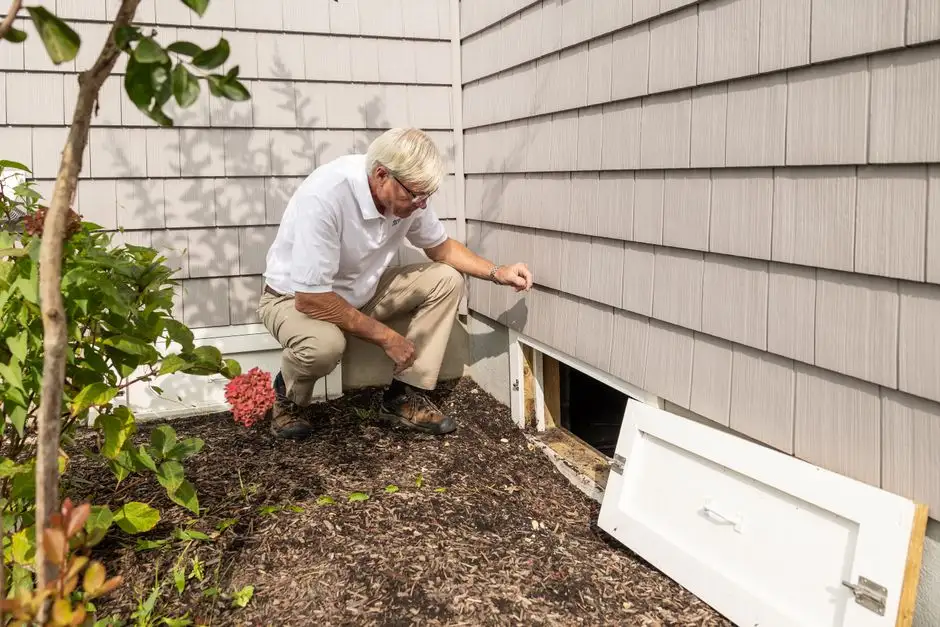
Senior adult inspecting a crawl space entrance during a home inspection on a sunny day.
Licensed Licensed & Bonded
Fully Insured Insured & Bonded
24/7 Emergency Same-Day Response
Warranty Backed Workmanship Guaranteed in Minneapolis

What the Crawl Space Inspection Includes

A standard visit focuses on accessible under-floor areas, visible conditions, moisture clues, and your reported concerns. We explain whether sampling would answer a useful question and identify access limits before drawing conclusions. Laboratory sampling, material removal, repairs, and remediation are separate work; the inspection itself gives you documented observations and practical direction for what to address next.

Accessible area review

We examine reachable foundation surfaces, framing, subflooring, insulation, plumbing, and ground covering for visible growth, staining, deterioration, or signs of water entry. We record areas we could not reach so your findings do not imply that every concealed surface was inspected.

Moisture observations

We take targeted readings on suspect materials and compare them with nearby reference points. Those readings are interpreted in context with material type, visible condition, and moisture history, helping identify areas that need drying, leak repair, or closer evaluation.

Odor and pathway review

We note musty odors, condensation clues, air movement, and accessible openings that connect the crawl space with rooms above. If duct or HVAC conditions appear relevant, we record the concern and explain when a focused system inspection would help.

Findings and next steps

You receive a clear explanation of inspected locations, observations, relevant measurements, and practical next actions. When samples are collected, laboratory results are discussed alongside site conditions. The inspection does not perform mold removal or repair the moisture source.

Crawl Space Mold Inspection in Minneapolis


Crawl Space Mold Inspection Minneapolis MN is a visual and instrument-assisted evaluation that identifies suspected mold, moisture sources, and conditions that support growth beneath a home. We examine accessible joists, subflooring, insulation, foundation surfaces, plumbing, and ground cover, then record moisture readings and visible conditions. A Moisture meter helps compare suspect materials with nearby dry areas; a Thermal imaging camera can flag temperature patterns that merit closer inspection. Sampling is considered when it answers a defined question, not as a substitute for examining the space and finding the source.

Minneapolis homes face freeze-thaw cycles, spring snowmelt, summer humidity, and plumbing leaks that can leave crawl spaces damp long after water disappears. Older houses in Hennepin County may have uneven foundations, limited access, or changes in drainage that complicate moisture control. A Minneapolis crawl space mold assessment is useful after a leak, a musty smell, or visible staining; we can inspect under-floor mold in a Minneapolis home and distinguish likely moisture damage from suspected microbial growth. The findings help you choose practical repairs rather than treating symptoms alone.

What to Expect During Inspection

Crawl space mold inspection in Minneapolis starts with your history of leaks, odors, and repairs, then moves to a focused site evaluation. We explain access needs before entering, protect the work area, and share observations as we go. A straightforward visit often takes about 1.5 to 3 hours; tight access, extensive materials, or optional sampling can add time.

01

Schedule

Call or book online — a real human picks up and confirms a 2-hour arrival window.

02

Diagnose

Licensed tech inspects on-site, then walks you through the cause and your options.

03

Fix

The job is completed to code and done right the first time — no shortcuts, no surprises.

04

Guarantee

Every job backed by a written workmanship warranty — and we stand behind it.

Tools and Inspection Methods

Tools & Equipment

Moisture meter

We use a Moisture meter to compare readings on suspect building materials with nearby areas. The result helps locate dampness but is interpreted alongside the material, site conditions, and visible evidence.

Thermal imaging camera

A Thermal imaging camera can reveal temperature patterns that warrant closer examination for possible moisture differences. It does not identify mold, so we verify relevant areas with direct observation or appropriate moisture checks.

Borescope

A Borescope helps view selected concealed or restricted areas through a small opening. It supports targeted investigation but cannot establish the condition of every enclosed surface.

HEPA air sampling pump

When airborne sampling is appropriate, a HEPA air sampling pump draws a measured volume through a collection cassette. We select locations and timing based on the question being investigated.

Air-O-Cell cassette

An Air-O-Cell cassette collects airborne particles for laboratory analysis when air sampling is part of the inspection plan. Results are interpreted with the site observations rather than used alone to locate a source.

Surface sampling swabs

Surface sampling swabs collect material from a selected suspect area when laboratory identification can help answer a defined question. We document the sample location and relate the result to moisture conditions.

Methods & Standards

Visual and moisture mapping

We inspect accessible materials in a consistent sequence, then map observations against targeted moisture readings. Comparing suspect areas with reference points helps show where conditions differ. A reading is not a mold test by itself; its value comes from the material, location, and other evidence.

Targeted surface sampling

When visible material needs laboratory characterization, we select a representative location and collect a surface sample using suitable media. We label the sample and explain the limits of a localized result. Sampling is useful when the answer changes a decision, not simply because a dark mark exists.

Airborne particle sampling

For a defined indoor air question, we collect samples using appropriate air sampling media and a controlled pump. A Spore trap cassette or Air-O-Cell cassette may be selected for analysis. We interpret results with inspection conditions, location, and potential sources; a single sample does not establish the condition of every room.

Moisture-source tracing

We follow visible water marks, damp materials, plumbing routes, foundation edges, and condensation clues to identify plausible moisture pathways. This approach links the suspected growth area to conditions that can be corrected. It also helps distinguish a resolved past event from an active concern requiring repair.

When to Schedule an Inspection

01

You notice a musty smell in a Minneapolis home after the furnace starts running in late fall.

What we do: We inspect accessible crawl space materials and note odor, humidity, moisture readings, and openings that may connect the area to rooms above. If the HVAC system appears relevant, we identify the concern separately so you know whether duct evaluation is warranted.

→ You learn whether the odor coincides with visible dampness or another documented condition and have a targeted next step instead of masking the smell.

02

A pipe leaked under a kitchen or bathroom, and water reached the space beneath the floor.

What we do: We trace the reported leak area, inspect accessible framing and insulation, and compare moisture readings across affected and nearby materials. A crawlspace moisture assessment after a leak Minneapolis homeowners request can help determine whether dampness remains after the plumbing repair.

→ You get a record of affected locations and can prioritize drying, repair, or additional evaluation based on current conditions.

03

Spring snowmelt leaves water marks near the foundation of your Nokomis or Longfellow home.

What we do: We examine accessible foundation edges, ground conditions, and materials showing staining or dampness. We record where water appears to enter and whether moisture remains, giving you useful information before a drainage contractor changes grading or runoff controls.

→ You can address the likely water pathway with better location-specific information and check the area again after corrective work.

04

You are buying an older home and the inspection report mentions limited crawl space visibility.

What we do: We evaluate the accessible opening and surfaces, document visible conditions, and explain any safety or clearance limits. If a Borescope or sampling would add relevant information, we discuss how it fits the specific purchase concern.

→ You receive a focused account of what was observed and what remains inaccessible, so your follow-up questions are tied to evidence.

Crawl Space Inspections Across Minneapolis

Minneapolis homes see a demanding moisture cycle: frozen soil in winter, spring thaw and runoff, then humid summer air that can condense on cool foundation surfaces. In November, we often hear about lingering odors after fall rain or concerns before winter heating changes indoor pressure and airflow. Older houses may have shallow or irregular crawl spaces, additions, mixed foundation materials, or limited hatch access. We adjust the inspection to the accessible structure and document limits rather than assuming every property is built alike. A crawlspace mold inspector in Minneapolis checks the reported history against visible conditions, moisture readings, and possible pathways from plumbing or drainage. If a recent leak is the concern, a same-day crawl space mold check Minneapolis MN may be requested; scheduling depends on access and current availability. We serve Minneapolis addresses in Hennepin County and explain findings in terms of the specific building, not a generic regional checklist. Where sampling is useful, we identify its purpose and connect results to observations.

Neighborhoods We Serve

  • Northeast Minneapolis

    Older homes and later additions can create varied crawl space access and foundation transitions. We document which sections are visible and check reported odors against moisture conditions.

  • Longfellow

    Homes near established streets may have mature landscaping and drainage patterns that direct water toward foundation edges. We look for water marks and dampness after seasonal runoff.

  • Linden Hills

    A property with an addition or altered floor plan can have more than one under-floor condition. We note the accessible areas separately so findings stay clear by location.

  • Downtown Minneapolis

    Renovated and multi-unit properties can have service penetrations and mechanical spaces near under-floor areas. We record accessible HVAC or plumbing concerns that may relate to reported odors.

Local Conditions We Plan For

  • Spring snowmelt and runoff collect near foundation walls

    Water can enter through vulnerable foundation areas or keep nearby soil and materials damp. We look for staining, active moisture, and patterns that can help you target drainage improvements.

  • Cold surfaces meet humid indoor or crawl space air

    Condensation can form on cooler materials when moisture and temperature conditions align. We check for surface dampness and related clues, then explain whether humidity control or another source needs attention.

  • Older additions leave uneven or restricted crawl space access

    A low clearance or divided foundation can limit direct viewing. We identify accessible sections, use targeted viewing methods where appropriate, and clearly state which areas could not be inspected.

Persistent Odor After Pipe Repair

Before

A homeowner in Longfellow repaired a slow plumbing leak but continued to notice a musty smell in the room above. The crawl space hatch showed limited staining, and there was uncertainty about whether damp insulation or framing remained. Cleaning the visible area had not explained why the odor persisted.

After

The inspection documented damp insulation near the former leak route and elevated readings on adjacent wood compared with a nearby reference area. The homeowner received a location-specific summary and arranged removal and drying with a contractor. A follow-up check recorded lower readings at the inspected points after the repair work.

Maintenance: Keep the repaired plumbing connection visible for periodic checks and watch for renewed odor after heavy water use. Correct any new leak promptly, and have the affected materials rechecked if dampness returns.

Before

After spring thaw, a Minneapolis homeowner saw water marks along one crawl space foundation edge. The area dried before a contractor arrived, leaving uncertainty about whether the marks were old or connected to recurring runoff. The family wanted useful information before paying for drainage work.

After

We recorded the location and extent of staining, checked accessible materials, and found no standing water during the visit. Moisture readings were lower away from the marked edge, while the exterior drainage pattern remained a point for contractor review. The notes helped focus the next step on that side of the house.

Maintenance: Keep gutters and downspouts clear and direct discharge away from the foundation where the property layout allows. Recheck the marked area after the next major thaw or storm and document any new water entry.

Before

A buyer considering an older Northeast Minneapolis home noticed a musty odor and a narrow crawl space opening. The general home inspection could not show every under-floor surface, and the buyer needed to understand what the visible evidence did and did not establish.

After

The focused visit documented the accessible framing, insulation, and foundation surfaces, with access limits clearly recorded. A Borescope helped view one selected concealed area, but no claim was made about unseen materials. The buyer used the findings to request clarification about a plumbing repair before closing.

Maintenance: After purchase, keep the access opening clear and retain the inspection summary with repair records. If the odor changes or a leak occurs, use the documented locations to guide a prompt follow-up.

Solve Damp Crawl Space Concerns

A damp crawl space can affect framing, insulation, odors, and confidence in the condition of your home. We investigate what is visible and measurable, then connect it to likely moisture pathways. If you are asking who inspects crawl space mold in Minneapolis, our inspection gives you a focused evaluation and a clear explanation of what the evidence supports.

Problem

A musty odor returns after a previous cleanup below the home

Recurring odor can signal that the moisture source remains active or that affected materials were not fully addressed. Continued dampness can also damage wood and insulation.

Our Fix

We inspect accessible framing and materials, look for dampness patterns, and ask what was cleaned or repaired previously. Moisture readings and visual documentation help distinguish a remaining source from old staining. We explain whether a leak, drainage issue, or further mold evaluation should be addressed first.

Problem

Water marks appear after spring thaw or heavy rain

Repeated wetting can keep crawl space materials damp and support visible growth. Delayed investigation may leave the source unclear after the area dries.

Our Fix

We document water marks, inspect nearby foundation and plumbing conditions, and check suspect materials for current moisture. The inspection helps you discuss drainage or leak repairs with the appropriate contractor and preserves observations that could be harder to see later.

Problem

A hidden plumbing leak has affected under-floor materials

Water can travel along joists or insulation, so the visible stain may not mark the full affected area. Odor and damage can persist after the pipe is fixed.

Our Fix

We use the leak history to target accessible materials along the likely route, check for remaining dampness, and record visible damage. If the affected area is concealed or sampling would clarify the concern, we explain the next evaluation step.

Problem

A buyer finds limited access and unexplained crawl space odor

Without a documented look, it is difficult to distinguish an isolated odor from broader moisture concerns or to ask focused questions before purchase.

Our Fix

We assess the accessible entry and under-floor conditions, note visibility and safety limits, and document moisture clues. You receive a concise account to discuss with the seller or contractor, including which areas were inspected and whether additional access is needed.

Clear Findings, Practical Next Steps

Clear Findings, Practical Next Steps

A crawl space problem is easier to manage when you know where moisture enters and which materials are affected. We connect observations to the building conditions you can address, explain when sampling adds useful evidence, and give you a clear record to share with a contractor, buyer, or property manager. You leave with specific findings, not a guess based on odor alone.

  • Find the moisture source

    We look beyond surface discoloration to check plumbing, foundation edges, ground moisture, drainage clues, and condensation. A Hygrometer records relative humidity, while targeted moisture readings help identify wet wood or insulation. You get a practical explanation of whether the concern points toward a leak, seasonal dampness, or another source that needs attention.

  • Separate evidence from assumptions

    Musty odors and dark marks deserve investigation, but neither proves the type or extent of mold by itself. We document visible growth, staining, material condition, and readings, then recommend sampling only when it can answer a useful question. That distinction helps you avoid unnecessary testing and focus on verifiable conditions.

  • Support repair decisions

    A report can help you discuss drainage, plumbing, insulation, or remediation with the right trade professional. For a crawl space mold inspection Minneapolis MN homeowners receive documented observations and a clear account of affected locations. You can prioritize the moisture-control work first, then determine whether cleaning or further evaluation is needed.

  • Check the whole pathway

    Air and moisture move between the crawl space and living areas through gaps, penetrations, and duct connections. We note HVAC concerns, odors, and building openings that may connect under-floor conditions to rooms above. If evidence warrants it, air sampling or surface sampling can provide additional information without replacing the physical inspection.

Inspection Standards and Care

Licensed & Certified

  • IICRC Applied Microbial Remediation Technician — issued by Institute of Inspection, Cleaning and Restoration Certification
  • ACAC Council-certified Indoor Environmentalist — issued by American Council for Accredited Certification
  • EPA Mold Course Certificate — issued by U.S. Environmental Protection Agency
  • AIHA Laboratory Accreditation Programs — issued by American Industrial Hygiene Association

Verified Reviews

Customer feedback Not stated

The inspector found damp insulation near the old leak and explained why the musty smell was still present. We received clear notes about the accessible crawl space areas and knew which repair to follow up on. The visit stayed focused on the problem instead of pushing extra testing.

Customer feedback Not stated

We were concerned about water marks after snowmelt at our Minneapolis home. The inspection documented the foundation edge, compared moisture readings, and explained what had dried before the visit. That gave us a practical starting point for the drainage contractor.

Customer feedback Not stated

Our home purchase included a crawl space with limited access and an unexplained odor. The findings clearly separated what could be inspected from what was hidden, and the notes helped us ask the seller specific questions about an earlier plumbing repair.

Under-Floor Inspection Expertise

Crawl spaces require more than a quick look through a hatch: access, airflow, building materials, and moisture history all affect what the evidence means. Our local experience includes evaluating dampness, visible growth, water intrusion, and odors in residential properties across Minneapolis. We use established inspection practices and explain their limits clearly. Training such as IICRC Applied Microbial Remediation Technician and ACAC Council-certified Indoor Environmentalist supports informed observation and communication; laboratory analysis should come from a qualified lab when sampling is needed. We focus on findings you can act on.

  • We compare moisture readings across suspect and reference materials instead of treating one measurement as a stand-alone mold result.
  • We document accessible framing, subflooring, insulation, foundation surfaces, plumbing, and ground-cover conditions in a consistent inspection sequence.
  • We distinguish visible growth, water staining, and material deterioration, then connect each observation to a likely moisture pathway.
  • We use sampling only to answer a defined question, with appropriate collection media and laboratory analysis when requested.
  • We explain access limits and safety concerns before proceeding, so you understand what was inspected and what remains unseen.
Get Started Today
Under-Floor Inspection Expertise

Crawl Space Inspection Questions

Real answers to the questions we hear most often from local homeowners and property managers.

What causes mold in crawl spaces in Minneapolis?
Mold usually develops when materials stay damp, often from leaks, ground moisture, poor drainage, condensation, or humid air. Minneapolis freeze-thaw cycles and spring snowmelt can expose drainage weaknesses, while a small plumbing leak can wet framing unnoticed. We check the suspected source and affected materials together. Finding and correcting moisture is central to preventing recurring growth; cleaning alone does not resolve an ongoing water or humidity problem.
How much does crawl space mold inspection cost in Minneapolis MN?
In 2026, a focused inspection commonly costs $250 to $650, with optional laboratory sampling adding roughly $75 to $250 per sample. Price depends on access, crawl space size, the number of areas to evaluate, and whether samples are needed. We explain the price upfront before work starts. A Minneapolis crawl space mold assessment that includes extensive documentation or difficult access may take longer than a straightforward visual and moisture check.
Can an inspector assess mold in a tight crawl space?
Yes, if the opening and interior conditions allow safe access; a restricted space can still be evaluated from its entry when full entry is unsafe. We check clearance, hazards, and visibility before proceeding. A Borescope can help view selected concealed areas through a small opening, but it cannot replace direct inspection of every surface. We state which areas were accessible and what that means for the findings.
How does crawl space moisture lead to mold?
Persistent moisture lets mold grow on susceptible materials such as wood, paper-faced insulation, and stored debris; the risk increases when dampness continues rather than drying quickly. We compare material readings, inspect for water pathways, and assess humidity and condensation clues. A crawl space moisture and mold check Minneapolis homeowners schedule after leaks can identify wet areas early, but the moisture source must also be corrected to reduce recurrence.

Other Mold Services

Residential Mold Inspection

Pair a crawl space check with a broader home inspection when odors or moisture appear in several rooms. We compare under-floor observations with basements, living areas, and other accessible spaces to help you understand whether the issue is localized or part of a wider moisture pattern.

View Residential Mold Inspection

Commercial Mold Inspection

Commercial buildings may have larger under-floor areas, multiple mechanical zones, or tenant concerns that require organized documentation. We inspect accessible building materials and moisture conditions, then identify areas needing repair, sampling, or further evaluation without confusing a single observation with a building-wide conclusion.

View Commercial Mold Inspection

Mold Testing and Sampling

When visual evidence cannot answer a specific question, targeted sampling can add laboratory information. We select the sample type based on the concern, collect it from the relevant location, and explain what the result can and cannot show alongside the crawl space inspection findings.

View Mold Testing and Sampling

Air Quality Testing for Mold

If odors or symptoms are reported in rooms above a crawl space, air sampling may help assess airborne particles in selected locations. We interpret results with the inspection context, compare appropriate indoor and outdoor conditions where applicable, and avoid treating a single air result as a complete source diagnosis.

View Air Quality Testing for Mold

Surface Mold Testing

A surface sample can help characterize a visible suspect deposit on framing or another material. We identify the precise collection location and use suitable sampling media, then connect laboratory findings to moisture observations. Testing is most useful when the answer will guide a repair or remediation decision.

View Surface Mold Testing

Indoor Air Quality Assessment

A damp crawl space can be one contributor to indoor odor or air concerns, but it is not the only possible source. An indoor assessment considers the reported rooms, ventilation, humidity, and visible conditions alongside under-floor findings to help locate patterns that need follow-up.

View Indoor Air Quality Assessment

Book Crawl Space Mold Inspection Minneapolis MN

A persistent musty smell, leak, or damp patch below your floor deserves a clear answer. Minneapolis Mold Testing checks accessible materials, traces moisture clues, and explains the next step. Call +18668968166 to schedule your crawl space inspection and discuss your concern with our team.

Call Our Team Schedule Inspection

Contact Minneapolis Mold Testing

Call Minneapolis Mold Testing at +1 866-896-8166 to describe the affected room, recent water events, and any odor or visible growth. Our office hours are Monday through Friday, 8:00 a.m. to 6:00 p.m.; we respond during those hours to arrange the next practical step. We serve Minneapolis, Minnesota, including Hennepin County neighborhoods and nearby ZIP codes.

Or call us right now at +18668968166 — we answer.

Minneapolis Mold Testing


  • Phone

    +18668968166
  • Address

    Minneapolis, Minnesota

  • Hours

    Mon–Fri: 7AM – 7PM
    Sat: 8AM – 4PM
    Sun: Emergency Only
    24/7 Emergency Available

Call +18668968166 Get Quote
Call Quote