Logo
Get Estimate

Residential Mold Inspection Minneapolis MN

Find moisture, locate mold, and plan the right next step


Residential Mold Inspection Minneapolis MN helps homeowners find visible growth, hidden moisture, and conditions that support mold before damage spreads. We inspect houses, condos, and rental homes across Minneapolis, Minnesota, whether you have a musty odor, a recent leak, or concerns before buying. Our home mold inspection Minneapolis MN combines a room-by-room visual review, moisture readings, and targeted sampling when it answers a specific question.

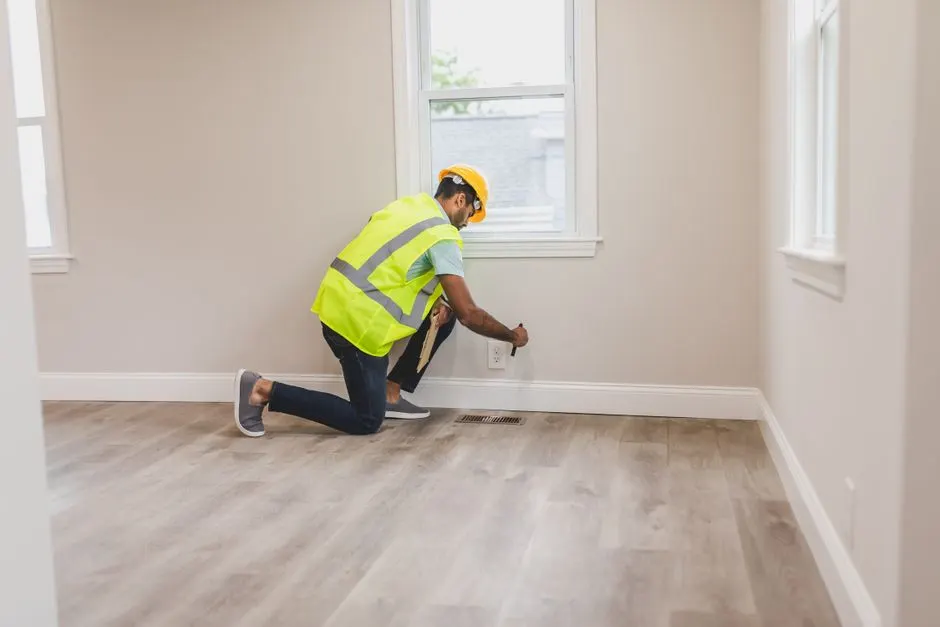
A home inspector in high visibility vest examines an electrical outlet in a modern room.
Licensed Licensed & Bonded
Fully Insured Insured & Bonded
24/7 Emergency Same-Day Response
Warranty Backed Workmanship Guaranteed in Minneapolis

What a Home Inspection Covers

A residential mold inspection includes a visual review of reported areas, moisture measurements, and documentation of conditions connected to mold risk. We check accessible rooms and nearby pathways, then discuss sampling when it can answer a specific question. Laboratory analysis, invasive wall openings, remediation, and repairs are separate services; we identify when one of those steps is relevant rather than treating it as automatic.

Visual Room Review

We inspect the reported room and connected areas for visible growth, water staining, damaged finishes, and musty odors. Checks may include the ceiling below a bathroom, flooring near an exterior wall, or an accessible attic edge. We record locations so you can connect observations to the concern.

Moisture Measurements

We take readings at suspect materials and compare them with nearby surfaces that appear unaffected. This helps identify active or residual dampness and prioritize follow-up. The reading is interpreted in context: material type, recent water exposure, temperature, and indoor humidity all matter.

Targeted Sampling Options

When testing is useful, we discuss whether air or surface sampling fits the question. We collect only from selected locations, label each sample, and explain that laboratory analysis adds a separate piece of evidence. Sampling does not replace locating the leak or correcting damp conditions.

Findings and Next Steps

You receive a practical explanation of observed conditions, areas that need attention, and recommended follow-up. We distinguish confirmed visible findings from suspected concealed conditions. This gives you useful information for a repair contractor, property manager, or remediation provider.

Residential Mold Inspection Minneapolis MN Explained


Residential Mold Inspection Minneapolis MN is a property inspection service that identifies visible mold, moisture conditions, and likely sources so homeowners can decide what needs correction or testing. We check affected rooms and connected areas, look for staining and material damage, and use moisture readings to trace dampness beyond the obvious spot. If sampling is appropriate, we explain what a sample can show and collect it using a documented method. You receive findings tied to locations in the home, not a vague pass-or-fail label.

Minneapolis homes face seasonal moisture from spring snowmelt, summer humidity, and winter condensation on cold surfaces. Basement water intrusion, roof leaks, plumbing failures, and poor bathroom ventilation can leave materials damp long after a surface looks dry. Our Minneapolis home mold assessment connects signs in the house to likely moisture pathways, including behind stored items or near an attic hatch. Book a home mold assessment after a leak Minneapolis MN homeowners can use to determine whether drying, repairs, or further testing should come next.

What to Expect During Inspection

Residential Mold Inspection Minneapolis MN follows a straightforward sequence: discuss the concern, inspect likely pathways, document conditions, and explain findings. A typical visit takes about 2 to 4 hours for an average-sized home; larger properties or multiple affected areas take longer. We keep you informed as we move through the property.

01

Schedule

Call or book online — a real human picks up and confirms a 2-hour arrival window.

02

Diagnose

Licensed tech inspects on-site, then walks you through the cause and your options.

03

Fix

The job is completed to code and done right the first time — no shortcuts, no surprises.

04

Guarantee

Every job backed by a written workmanship warranty — and we stand behind it.

Inspection Tools and Methods

Tools & Equipment

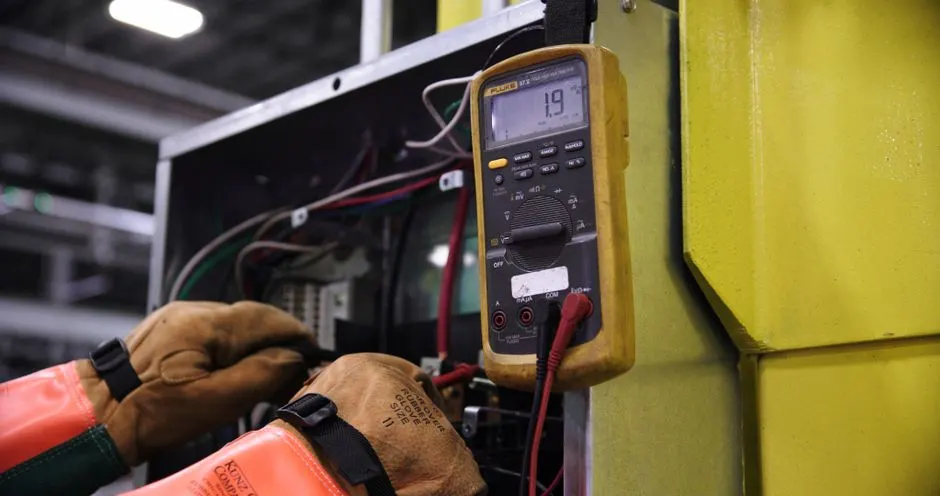
Moisture meter

We use it to compare moisture levels in suspect building materials with nearby areas. The readings help locate dampness and guide where closer inspection is useful.

Thermal imaging camera

Thermal imaging can show temperature patterns that warrant a closer moisture check. It does not identify mold by itself, so we verify any concern with direct inspection or measurement.

Borescope

Where an appropriate existing opening is available, a borescope can show a limited view inside a cavity. We explain the viewing limits and do not treat one small view as proof about an entire wall.

HEPA air sampling pump

When air sampling is justified, a pump draws a measured volume of air through a spore trap cassette. We document sample location and conditions for laboratory interpretation.

Hygrometer

A hygrometer records indoor relative humidity and temperature. Those readings help assess condensation conditions and interpret why cold windows or exterior corners may collect moisture.

Methods & Standards

Moisture mapping

We take readings across the reported area and compare them with nearby materials that appear unaffected. This creates a simple map of where moisture is elevated, helping distinguish a localized leak from a broader pattern. We record material and location because a number without context can mislead.

Visual and source-path inspection

We begin at the visible symptom and follow likely water paths through adjacent ceilings, walls, windows, plumbing, or roof areas. The method keeps attention on the source as well as the growth. Accessible areas are documented, and concealed spaces are identified as limitations when they cannot be seen.

Targeted air sampling

When the question concerns airborne spores, we select sample locations based on the room, suspected source, and airflow. A spore trap cassette collects particles for laboratory analysis; results are interpreted alongside inspection conditions and any comparison sample. Air sampling is not a universal mold clearance test.

Surface sampling

For an uncertain stain or suspected growth, we may collect a surface sample using a sterile swab or tape-lift slide. The sample represents only the selected spot. We document the location and pair the result with moisture findings so you can connect what is present to the condition that supports it.

When a Home Inspection Helps

01

A spring thaw leaves water at a basement wall in Powderhorn, and the odor remains after fans run.

What we do: We inspect the affected wall, floor edge, and nearby stored materials, then compare moisture readings across the basement. We look for signs of ongoing water entry and note whether the condition is isolated or extends to adjacent areas. Sampling is discussed only if it can clarify a specific concern.

→ You know whether water intrusion remains active, which materials need drying or repair, and where follow-up should focus.

02

A roof leak during a November storm stains an upstairs ceiling in a North Loop home.

What we do: We document the ceiling and accessible attic area, check moisture around the stain, and look for related roof or insulation clues. If the surface has started to dry, measurements help distinguish residual damage from an active wet area. We explain what should be checked after the roof repair.

→ You get a record of affected locations and a clear sequence for roof correction, drying, and any needed follow-up inspection.

03

A buyer notices a musty basement smell and old paint patches during a Minneapolis home tour.

What we do: We focus on the basement, patched surfaces, and adjacent plumbing or foundation areas. Our notes distinguish visible evidence from questions that would require additional access. If testing is appropriate, we explain the sample purpose before collecting it, helping you use the findings in your purchase discussions.

→ You can ask focused questions about moisture history and repairs rather than treating an old stain as proof of an active mold problem.

04

A bathroom exhaust fan runs poorly in an older Minneapolis house, and spots reappear above the shower.

What we do: We inspect the ceiling, nearby trim, and accessible ventilation components, then measure moisture in the affected finish. We consider whether condensation or a plumbing leak better fits the evidence. You receive practical findings on the moisture pattern and areas that need correction or additional review.

→ You can address the likely moisture driver before repainting, reducing the chance that the same spots return after cosmetic work.

How Inspections Work Across Minneapolis

Residential Mold Inspection Minneapolis MN accounts for freeze-thaw cycles, spring snowmelt, humid summer spells, and winter condensation. In older homes, stone or masonry foundations, finished basement walls, and successive remodels can make the route of water less obvious. We pay close attention to basement corners, window wells, attic sheathing, and ceilings below plumbing fixtures. A Minneapolis home mold assessment also considers whether a damp area follows a storm, a plumbing event, or repeated condensation. If you need a residential mold inspector for older homes Minneapolis homeowners can use, share renovation history and prior leaks before the visit. We serve Hennepin County neighborhoods and document what is accessible without assuming that every older building has mold. For homes with a recent roof leak or basement intrusion, we focus first on whether moisture remains and which materials need attention. Minnesota Department of Health mold guidance supports practical moisture control; our findings translate that principle into specific locations and next steps for your house.

Neighborhoods We Serve

  • Northeast Minneapolis

    Older houses and renovated basements can have layered finishes that conceal past water marks. We compare the reported area with adjacent materials and check accessible foundation and plumbing locations.

  • Uptown

    Condensation around windows and bathroom moisture are common inspection concerns in homes with limited airflow. We assess the affected trim or ceiling and record humidity conditions.

  • Longfellow

    Basement dampness after heavy rain can persist around foundation edges and floor-wall joints. We look for moisture patterns that distinguish a current entry point from an old, dry stain.

  • North Loop

    Condominiums and converted buildings can have shared plumbing and ventilation pathways. We document the unit-level concern and identify when a building-system follow-up should be coordinated.

Local Conditions We Plan For

  • Spring thaw and heavy rain increase basement water intrusion

    Water can enter at foundation joints, window wells, or floor edges, then remain behind stored items or finished walls. We check moisture distribution and related surfaces to determine whether the concern is localized or ongoing.

  • Cold winter surfaces collect condensation near windows

    Repeated condensation can wet trim and nearby finishes, especially where curtains or furniture limit airflow. We measure humidity and inspect the affected materials to help separate condensation from a roof or plumbing leak.

  • Roof leaks leave attic moisture after storms

    A small roof opening can wet sheathing or insulation before a ceiling stain appears. We inspect accessible attic areas and compare the visible pattern with the reported leak location, noting any limits to access.

Basement Odor After Snowmelt

Before

A homeowner in Longfellow noticed a musty smell after snowmelt but saw no standing water. Stored boxes covered much of one wall, and a faint mark near the floor had been painted over. The source was uncertain, so the family had no clear way to distinguish seasonal dampness from a concealed leak.

After

The inspection found elevated moisture at one foundation corner compared with two nearby dry areas, with visible staining confined to a small section. We documented the readings and likely water pathway, then recommended correcting the entry point and moving stored items away during drying. The homeowner had specific locations to discuss with a repair contractor.

Maintenance: Keep stored goods several inches off basement walls, check the corner after heavy rain, and note whether readings or odors return. Correct drainage or water entry before repainting the affected area.

Before

A bathroom supply line leak left a ceiling stain below the fixture. The visible mark measured about 18 inches across, but the homeowner could not tell whether surrounding drywall remained damp. The leak had been stopped, and the next decision was whether drying alone was enough or further repair was needed.

After

We measured the stained area and nearby ceiling, finding the highest moisture close to the plumbing route and lower readings toward the room edge. The location notes helped the homeowner coordinate drying and a small finish repair. The inspection also identified the adjacent wall section for a follow-up check before repainting.

Maintenance: After repairs, monitor the ceiling for a new stain and check plumbing connections if moisture returns. Do not cover a damp area; verify drying first and keep the repair record with the inspection notes.

Before

Small spots kept returning above a shower despite repeated cleaning. The fan was noisy, and the homeowner was unsure whether the issue came from a plumbing leak or moisture in the room. Repainting seemed like the quickest fix, but the previous coating had already started to discolor.

After

The inspection found no elevated moisture in the wall beside the shower, while the ceiling finish showed a localized moisture concern. Humidity readings during the visit supported a ventilation-focused follow-up rather than opening the wall immediately. The homeowner had a clear target for improving air removal and checking the ceiling after use.

Maintenance: Run the exhaust fan during showers and for at least 20 minutes afterward, keep the fan grille clear, and watch the ceiling through the next humid period. If staining returns, check the area again before repainting.

Resolve Common Minneapolis Mold Concerns

Persistent moisture is the common thread behind many household mold concerns. We investigate the building conditions behind the symptom, whether it is visible growth, a recurring odor, or water damage that appears to have dried. Early measurements help you choose a sensible next step instead of relying on paint, fragrance, or guesswork.

Problem

Musty odor persists despite cleaning the basement

The odor can point to damp materials, concealed growth, or a moisture source that remains active, allowing damage to spread behind stored items or finished walls.

Our Fix

We inspect the basement and adjacent areas, check suspect materials with a moisture meter, and compare readings across the room. If the odor has no visible source, we document likely pathways and explain whether targeted sampling or further access could resolve the question.

Problem

A ceiling stain returns after a plumbing leak

Repeated staining can mean the material never dried fully or water is still entering, which risks damage to insulation, framing, and finishes.

Our Fix

We trace the stain toward nearby plumbing and upper-floor fixtures, measure moisture around the affected ceiling, and check the surrounding wall. You get a record of damp and dry locations plus a practical order for leak repair, drying, and any further inspection.

Problem

Window condensation appears through winter

Repeated moisture on cold glass, trim, or nearby walls can damage finishes and create conditions that support surface growth, especially where airflow is limited.

Our Fix

We assess the affected surfaces and record indoor humidity and temperature conditions. A hygrometer helps show whether moisture in the air is contributing, while material readings identify damp trim or wall areas. We explain what ventilation or moisture-control changes warrant attention.

Problem

Mold returns after a previous cleanup

Recurring growth often means the original water source, condensation pattern, or damp material was not corrected, so another surface cleaning may only hide the symptom temporarily.

Our Fix

We compare the recurring location with nearby plumbing, roof, window, and ventilation pathways. The inspection documents moisture indicators and any visible growth, then sets out what should be fixed before another cleanup. This helps direct the next contractor toward the cause.

Clear Findings, Practical Next Steps

Clear Findings, Practical Next Steps

A useful inspection answers three things: where moisture is present, whether mold is visible or indicated by sampling, and what action fits the evidence. We organize observations by room and explain which findings need prompt attention. You leave with a practical sequence, from correcting a leak to arranging cleanup or a follow-up check.

  • Track Moisture Sources

    We check suspect walls, ceilings, flooring, and plumbing areas with a moisture meter, then compare readings with nearby dry materials. That comparison helps distinguish an isolated stain from active dampness. If a reading points beyond the surface, we explain the next inspection step rather than assuming the entire wall needs removal.

  • Investigate Hidden Areas

    Musty odors without visible growth often call for a closer look at adjacent cavities, attic edges, or areas beneath sinks. A borescope can provide a limited view through an existing opening where appropriate. We document what was accessible and what remains concealed, so you know whether further access or sampling is worth considering.

  • Use Sampling Purposefully

    Sampling is most useful when it addresses a defined concern, such as comparing indoor air with an outdoor reference or checking a particular surface. We can use a HEPA air sampling pump and spore trap cassette, then explain the laboratory result in plain language. A sample does not replace finding and correcting the moisture source.

  • Plan Repairs in Order

    You get a clear order of operations: stop water entry, dry affected materials, remove damaged material when needed, and verify the result. For recurring mold after cleanup, we look for the moisture condition that was missed. This prevents spending on another surface treatment while a roof, plumbing, or ventilation issue remains.

Methods You Can Follow

Licensed & Certified

  • IICRC Applied Microbial Remediation Technician — issued by Institute of Inspection, Cleaning and Restoration Certification
  • IICRC Applied Structural Drying — issued by Institute of Inspection, Cleaning and Restoration Certification
  • ACAC Council-certified Indoor Environmentalist — issued by American Council for Accredited Certification
  • EPA Mold Course Certificate — issued by U.S. Environmental Protection Agency

Verified Reviews

Customer feedback Not stated

The inspector checked the basement odor instead of guessing from the smell alone. Moisture readings showed which corner needed attention, and the report explained what to repair first. We appreciated having the dry areas documented too, so the contractor could focus the work.

Customer feedback Not stated

After a pipe leak, we wanted a clear answer about the ceiling below the bathroom. The inspection notes showed where readings were highest and what needed to dry before repairs. The explanation was direct and made it easier to plan the next step.

Customer feedback Not stated

We had recurring spots in the bathroom and expected to be told to replace the wall. Instead, the inspection checked moisture and humidity and explained why ventilation needed attention first. The findings were specific to our Minneapolis home and easy to follow.

Field Knowledge and Training

We approach a residential inspection as a building and moisture investigation, not just a search for dark spots. Our team considers how water moves through basements, wall assemblies, rooflines, and ventilation systems in Minneapolis homes. Training relevant to microbial assessment and structural drying informs our methods, while findings stay tied to what we can observe and measure. We explain the limits of each test, document sample locations, and use laboratory analysis when the question calls for it.

  • Our inspection approach draws on IICRC Applied Microbial Remediation Technician training for understanding contaminated materials and remediation practices.
  • IICRC Applied Structural Drying principles help us interpret moisture readings alongside drying conditions and the materials involved.
  • We follow Minnesota Department of Health mold guidance when explaining moisture control, visible growth, and practical homeowner actions.
  • Sampling plans distinguish air, surface, and bulk concerns; we do not present one sample as proof that every room is clear.
  • We record the location and purpose of each measurement so you can connect findings to a leak, odor, stain, or repair.
Get Started Today
Field Knowledge and Training

Minneapolis Mold Inspection Questions

Real answers to the questions we hear most often from local homeowners and property managers.

What does a residential mold inspection include in Minneapolis?
A residential mold inspection in Minneapolis includes a visual review, moisture checks, documentation of affected areas, and targeted sampling when it answers a specific question. We inspect likely sources such as basement walls, plumbing areas, windows, and accessible attic spaces. The visit commonly takes 2 to 4 hours for an average home. Your findings explain observed conditions and practical next steps; laboratory analysis is separate from the on-site visual and moisture assessment.
How much does a home mold inspection cost in Minneapolis MN?
Typical 2026 pricing in Minneapolis ranges from $250 to $700 for a standard home inspection, with targeted laboratory sampling adding roughly $75 to $150 per sample. Size, access, number of affected areas, and the number of samples change the total. We explain pricing upfront before proceeding. A home mold inspection Minneapolis MN is most cost-effective when the inspection question is clear and sampling is limited to locations that can inform a decision.
When should I book a home mold assessment in Minneapolis?
Book an assessment as soon as you find visible growth, a persistent musty odor, water intrusion, or recurring dampness. After a leak, arrange inspection once the immediate water source is controlled; wet materials left for 24 to 48 hours deserve prompt attention. You should also consider an assessment before buying if inspection findings show unexplained staining or odor. We help determine whether the concern needs moisture measurement, sampling, or a focused follow-up.
Can a residential mold inspector find hidden mold?
A residential mold inspector can identify clues to hidden mold, but no non-invasive inspection can see every enclosed cavity. Elevated moisture, staining, odor, and thermal patterns can point toward concealed damp materials. We use moisture readings and, when suitable, a thermal imaging camera or borescope to investigate accessible areas. If evidence remains inconclusive, we explain where a small opening or targeted sample could provide better information.

Related Home Assessment Services

Commercial Mold Inspection

Commercial properties need an inspection plan matched to occupancy, building size, and affected areas. Minneapolis homeowners who also manage a small office or rental building can use a separate commercial assessment to document moisture and mold concerns without blending residential findings with business spaces.

View Commercial Mold Inspection

Mold Testing and Sampling

Sampling adds laboratory evidence when a specific question cannot be answered by visual inspection and moisture readings alone. We select air or surface locations, document sample conditions, and explain results in context. It complements a residential inspection; it does not replace correcting leaks or drying materials.

View Mold Testing and Sampling

Air Quality Testing for Mold

Air testing can help assess airborne spores when occupants report persistent odor or when visible conditions do not explain a concern. We choose sample locations based on airflow and the suspected source, then compare results carefully. The findings support investigation but are not a standalone health diagnosis.

View Air Quality Testing for Mold

Surface Mold Testing

Surface sampling can help identify material present on a specific stain or suspected growth. A swab or tape-lift sample documents the selected location, which is useful when appearance alone is inconclusive. We pair the result with a moisture-source review so you know what conditions need correction.

View Surface Mold Testing

Indoor Air Quality Assessment

An indoor air assessment looks beyond mold alone and considers humidity, ventilation, and conditions that affect the air inside your home. It can be useful when comfort concerns continue after a leak has been repaired. Findings help separate a moisture issue from broader ventilation concerns.

View Indoor Air Quality Assessment

Mold and Moisture Assessment

This service focuses on where water is entering or accumulating and how dampness affects building materials. It connects moisture readings with visible conditions in basements, bathrooms, and roof areas. Choose it when the source is unclear or when you need a focused plan before cleanup.

View Mold and Moisture Assessment

Book Residential Mold Inspection Minneapolis MN

A leak, musty odor, or recurring stain deserves a clear investigation before you cover it up. Call Minneapolis Mold Testing at +18668968166 to discuss the affected area and arrange a residential inspection. We explain pricing upfront and focus the visit on useful findings.

Call Today Schedule Inspection

Contact Minneapolis Mold Testing

Call Minneapolis Mold Testing at +1 866-896-8166 to describe the affected room, recent water events, and any odor or visible growth. Our office hours are Monday through Friday, 8:00 a.m. to 6:00 p.m.; we respond during those hours to arrange the next practical step. We serve Minneapolis, Minnesota, including Hennepin County neighborhoods and nearby ZIP codes.

Or call us right now at +18668968166 — we answer.

Minneapolis Mold Testing


  • Phone

    +18668968166
  • Address

    Minneapolis, Minnesota

  • Hours

    Mon–Fri: 7AM – 7PM
    Sat: 8AM – 4PM
    Sun: Emergency Only
    24/7 Emergency Available

Call +18668968166 Get Quote
Call Quote