Logo
Get Estimate

Bathroom Mold Inspection Minneapolis MN

Find hidden moisture, identify mold, and plan repairs


Bathroom Mold Inspection Minneapolis MN helps homeowners, landlords, and buyers get answers about visible growth, persistent musty odors, or damp materials after a leak. Our bathroom mold inspector in Minneapolis checks likely moisture sources, documents affected surfaces, and recommends targeted sampling when it will answer a specific question. We focus on bathrooms where recurring spots, loose tile, or poor drying suggest a problem beyond routine cleaning.

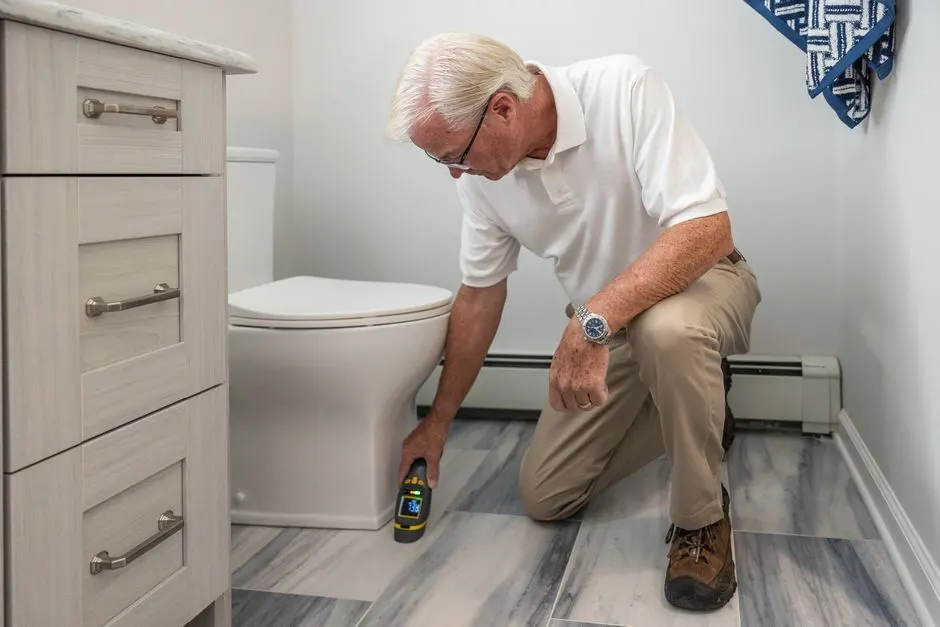
A senior man using a device to inspect a bathroom for maintenance or repair.
Licensed Licensed & Bonded
Fully Insured Insured & Bonded
24/7 Emergency Same-Day Response
Warranty Backed Workmanship Guaranteed in Minneapolis

What Bathroom Mold Inspection Includes

A standard visit covers accessible bathroom surfaces, visible moisture indicators, likely plumbing and ventilation sources, and comparative readings in suspect areas. We explain observations and recommend sampling when it answers a defined question. Destructive opening, remediation, plumbing repair, and laboratory analysis are separate work or testing items; we discuss those needs plainly before proceeding so you know what the inspection establishes.

Surface and Fixture Review

We inspect accessible grout, caulk, tile edges, ceilings, vanity interiors, and plumbing penetrations for visible growth, staining, soft materials, and repeated wetting. You can point out areas that return after cleaning or become damp after bathing, helping us focus the room-by-room review.

Moisture and Humidity Readings

We use comparative moisture measurements on relevant materials and check room humidity with a hygrometer. Readings are recorded with their locations and interpreted against the material and surrounding conditions. A single number is not treated as proof; patterns help us identify where closer investigation is warranted.

Ventilation and Leak Clues

We assess visible fan operation, condensation patterns, fixture connections, and signs of water travel around the bathroom. The inspection can identify clues to a leak or poor moisture removal, but repair work remains with the appropriate trade. You receive a practical description of the condition we observed.

Findings and Next Steps

We review observed conditions, relevant photographs, readings, and any sampling recommendation with you. The result is a clear list of areas to address, such as a plumbing repair, fan correction, drying, or further access. Laboratory analysis is added only when a sample is collected for a defined question.

Bathroom Mold Inspection Minneapolis MN: What We Check


Bathroom Mold Inspection Minneapolis MN is a visual and moisture investigation that identifies mold indicators, traces water sources, and determines whether sampling is useful. We examine grout, caulk, ceilings, vanity interiors, plumbing access points, and adjacent walls, then use a moisture meter and thermal imaging camera to locate areas that need closer attention. A pinless moisture meter helps compare readings without puncturing finished surfaces. We explain what is visible, what may be concealed, and which next step fits the evidence, so you are not left guessing from a photograph or a musty smell.

Minneapolis bathrooms face repeated wetting, winter condensation, and plumbing leaks that can keep wall cavities damp long after a surface looks dry. In older homes across Hennepin County, tiled surrounds, plaster, and layered finishes can complicate the search. A shower mold evaluation Minneapolis Minnesota visit is useful after recurring growth, a slow leak, or a bathroom renovation that exposed staining. If you are searching for a bathroom mold check after a plumbing leak Minneapolis MN, we trace the affected area and document moisture conditions before repairs cover it.

What to Expect During the Visit

A bathroom mold assessment in Minneapolis starts with your symptoms and ends with a practical explanation of findings. We keep the inspection focused on the bathroom and connected moisture pathways. Most straightforward visits take about 1.5 to 3 hours; broader concealed-moisture concerns require more investigation, which we explain as we work.

01

Schedule

Call or book online — a real human picks up and confirms a 2-hour arrival window.

02

Diagnose

Licensed tech inspects on-site, then walks you through the cause and your options.

03

Fix

The job is completed to code and done right the first time — no shortcuts, no surprises.

04

Guarantee

Every job backed by a written workmanship warranty — and we stand behind it.

Tools and Inspection Methods

Tools & Equipment

Moisture meter

We compare readings at suspect and apparently dry materials to locate patterns that warrant closer inspection. The result is interpreted with material type and site conditions, not used alone to declare mold.

Pinless moisture meter

This meter checks relative moisture conditions without driving pins into finished surfaces. It is useful for comparing accessible bathroom wall and floor areas while preserving tile, cabinetry, and painted finishes.

Thermal imaging camera

We use thermal patterns to screen for temperature differences that may indicate moisture or air movement. Any relevant pattern is checked against direct observations and moisture measurements because thermal images do not identify mold.

Borescope

Where a suitable opening already exists, a borescope can provide a limited view inside a cavity. We explain the access limits and do not treat a small viewing area as proof about an entire wall.

HEPA air sampling pump

When air testing is justified, a calibrated pump draws a measured air volume through a spore trap cassette. We record the sample location and conditions so results can be interpreted in context.

Hygrometer

A hygrometer records relative humidity in the bathroom, helping us assess whether moisture is lingering after bathing. We compare the reading with visible condensation, ventilation, and room conditions.

Methods & Standards

Visual and moisture mapping

We map visible staining, growth indicators, and material conditions, then pair those observations with comparative moisture readings. This establishes where evidence is concentrated and helps distinguish a damp shower edge from a broader wall or floor concern. The method prioritizes the water pathway before recommending sampling.

Targeted surface sampling

When identification of a particular surface condition would change the next step, we collect a sterile swab or tape-lift sample from a defined location. We note the sampled material and nearby moisture evidence. A surface result describes that sample, not every surface or concealed area in the bathroom.

Targeted air sampling

Air sampling is considered when the question concerns airborne particles and visual inspection alone is insufficient. We select locations and use a spore trap cassette with recorded collection details. Results are interpreted alongside outdoor or comparison conditions where appropriate, room use, and the visible moisture investigation.

Source-first investigation

We follow the likely water source through fixture connections, shower boundaries, ventilation, and accessible adjoining materials. Correcting the source is essential; removing a visible mark without stopping persistent moisture often allows the problem to return. Our recommendations connect inspection findings to repair and drying priorities.

When to Request an Inspection

01

A North Loop condo owner finds fresh ceiling staining beneath an upstairs bathroom after a slow supply-line leak.

What we do: We inspect the bathroom and accessible area below, document staining, and compare moisture readings around the leak path. If materials remain wet, we identify the affected boundary and explain what should be checked before ceilings are closed. Sampling is considered only if the inspection leaves a specific mold question unresolved.

→ You have documented conditions and a focused repair target, reducing the chance that damp material is sealed behind a new ceiling.

02

A family in an older Minneapolis home sees shower growth return each month despite regular cleaning and fresh caulk.

What we do: We review the shower enclosure, adjacent wall, and exhaust fan, then check for moisture patterns beyond the visible grout. Our assessment looks for repeated wetting, condensation, or a hidden leak rather than assuming the surface is the only issue. We explain whether repair, improved drying, or further investigation is the appropriate next step.

→ You learn why the spots are returning and which condition to correct before spending on another cosmetic treatment.

03

A Minneapolis buyer notices a musty odor and a newly painted bathroom during a pre-purchase walkthrough.

What we do: We inspect accessible surfaces, cabinet interiors, plumbing areas, and moisture readings for signs that paint may have covered staining. Where evidence supports it, we recommend targeted sampling or further access. Findings are documented so you can discuss the concern with the seller or your home inspection professional.

→ You get a clearer record of observable moisture concerns before deciding whether additional evaluation or repairs are needed.

04

A Whittier rental tenant reports bathroom ceiling spots and a fan that runs but leaves the mirror wet.

What we do: We check the ceiling, visible exhaust operation, humidity, and nearby surfaces, then document the conditions for the property manager. The inspection distinguishes a ventilation concern from a possible leak and explains which trade should address the source. If testing is useful, we tie it to a defined question.

→ The owner receives specific findings to guide maintenance, and the tenant has a documented response to the recurring dampness.

How Bathroom Inspections Work in Minneapolis

Minneapolis bathrooms face sharp seasonal changes: winter heating dries indoor air, but cold exterior walls and windows can still collect condensation when warm shower air is not exhausted. In November and through winter, we pay close attention to cold corners, ceiling edges, and whether the fan clears humidity after bathing. Spring thaw and heavy rain can reveal separate plumbing, roof, or water-entry problems, so we ask what changed and when. Older homes may have layered finishes, plaster, or tile over concealed materials; newer condos can have shared plumbing chases and restricted access. Our Minneapolis bathroom mold assessment begins with accessible evidence and moisture readings, then identifies whether a targeted opening or sample would answer an important question. If you need a same-day bathroom mold assessment Minneapolis, call to discuss the concern and scheduling. We serve Minneapolis, Minnesota, including 55406 and 55405, and provide findings you can share with the appropriate repair professional. We follow Minnesota Department of Health mold guidance and focus recommendations on the observed condition rather than assumptions about a building's age.

Neighborhoods We Serve

  • Northeast Minneapolis

    Older houses and remodeled bathrooms can have multiple finish layers. We compare suspect areas with accessible dry surfaces before recommending any further access.

  • Uptown

    Condensation on cold surfaces can recur during winter. We check room humidity, shower drying, and the fan alongside visible staining.

  • North Loop

    Condo bathrooms may share plumbing chases or have limited access. We document the exact unit conditions and identify what needs building management follow-up.

  • Whittier

    Aging plumbing and repeated bathroom renovations can complicate leak histories. We review fixture edges, cabinets, and nearby finishes for moisture patterns.

Local Conditions We Plan For

  • Cold-season condensation on exterior bathroom walls and window edges

    Warm shower air meeting cold surfaces can leave recurring moisture even when plumbing is sound. We check humidity and ventilation clues, then distinguish condensation patterns from staining that suggests a leak or concealed damp material.

  • Older tile assemblies and layered wall finishes in Minneapolis homes

    Multiple finish layers can hide the boundary of prior repairs or water damage. We start with non-invasive observations and measurements, then explain whether existing access or a targeted opening is needed to confirm conditions behind tile.

  • Shared plumbing routes in multi-unit buildings

    A stain may originate above, beside, or within a shared chase rather than at the visible bathroom fixture. We document its location and moisture pattern so the owner or manager can coordinate access and trace the source responsibly.

Recurring Shower Grout Growth

Before

A homeowner in Uptown cleaned dark grout every few weeks, but the spots returned around the shower corner. The caulk looked intact from the doorway, and no obvious leak was visible. The repeated cleaning removed surface marks temporarily without explaining why the corner stayed damp.

After

We found elevated comparative moisture near the shower edge and documented a small opening in the seal. The inspection took about two hours and narrowed the repair area to the corner and adjacent trim. The homeowner arranged repair before replacing the surrounding tile, avoiding a full-room tear-out based on guesswork.

Maintenance: Run the exhaust fan during bathing and for at least 20 minutes afterward, keep the shower enclosure dry when practical, and check the repaired edge monthly for separation or renewed dampness.

Before

A slow supply connection leak left the vanity base swollen and the bathroom smelling musty. The cabinet floor felt dry by the time the owner noticed the odor, but the side panel had discoloration and the adjacent wall was not yet opened.

After

We documented the cabinet and wall conditions, compared moisture readings across the affected area, and identified the leak history as the priority. The plumber repaired the connection, and the owner used the findings to plan targeted removal of damaged material rather than replacing the entire vanity immediately.

Maintenance: Check the supply connections and cabinet base every month for drips, swelling, or odor. After any leak, keep the area accessible until moisture readings and material conditions support closing or refinishing it.

Before

A Minneapolis homeowner saw paint blistering above the shower each winter and assumed the roof was leaking. The fan ran, but the mirror remained fogged long after bathing. There was no clear water trail, and repainting had not stopped the damage.

After

We checked the ceiling stain, humidity, and exhaust conditions and found a pattern consistent with lingering bathroom moisture rather than a visible roof leak. The owner arranged fan and duct follow-up. The inspection gave a documented basis for correcting ventilation before repainting the ceiling.

Maintenance: Use the exhaust during each shower and continue it afterward, keep the grille clean, and watch the ceiling through the next cold-weather period. If staining expands or becomes wet, arrange a fresh moisture check.

Solve Recurring Bathroom Mold Concerns

Recurring bathroom growth usually points to moisture that remains after cleaning, whether from a leak, poor exhaust, or repeated condensation. We look for the cause and the extent of affected materials. If you need to inspect shower mold in a Minneapolis home, our findings help separate a surface problem from a condition that needs further investigation.

Problem

Dark spots return on shower grout within days of cleaning.

Repeated growth can signal persistent wetting, failed caulk, or inadequate drying; covering it without correcting moisture often leads to another cycle.

Our Fix

We inspect grout and adjacent surfaces, check moisture patterns, and look for gaps or plumbing clues around the shower. If the issue appears limited to a surface, we explain that; if readings or staining suggest concealed moisture, we identify what further access would clarify. You get a cause-focused next step instead of repeated guesswork.

Problem

A musty odor persists despite a visibly clean bathroom.

Odor can come from damp materials inside a vanity, wall, or floor assembly, making routine cleaning ineffective and leaving the source unresolved.

Our Fix

We trace the odor with a focused inspection of accessible cabinets, plumbing penetrations, floor edges, and adjoining surfaces. A moisture meter helps locate areas that differ from dry reference points. If the evidence points beyond the bathroom finish, we explain whether a borescope or targeted investigation is appropriate.

Problem

Water leaked beneath tile or around a bathroom fixture.

Water trapped behind finishes can damage backing materials and create conditions for mold even after the visible surface dries.

Our Fix

We document the leak history, inspect the affected perimeter, and take comparative readings at accessible materials. A bathroom mold check after a plumbing leak Minneapolis MN helps you see where moisture remains before repairs conceal the area. We coordinate the findings you need to share with your plumber or repair contractor.

Problem

Bathroom ceiling paint peels after showers in winter.

Repeated condensation can weaken paint and keep the ceiling damp, while a roof or plumbing leak can produce similar staining that needs a different fix.

Our Fix

We compare the stain location with plumbing and roof context, inspect the ceiling and nearby surfaces, and check room humidity and exhaust conditions. Our assessment distinguishes likely condensation patterns from other moisture clues. You receive a clear recommendation on ventilation correction, leak investigation, or additional inspection.

Clear Answers, Practical Next Steps

Clear Answers, Practical Next Steps

A bathroom inspection should tell you more than whether a dark spot is present. We connect visible conditions to moisture, distinguish a surface issue from a wider concern, and explain what action makes sense. You get findings you can use to plan cleaning, repairs, or further testing rather than a vague recommendation to treat everything.

  • Find the Moisture Source

    We inspect plumbing connections, shower edges, fan operation, and nearby surfaces to look for the reason growth keeps returning. A moisture meter helps compare the suspect area with a dry reference point. If a leak or condensation pattern is present, you get a clear location to address instead of another round of surface cleaning.

  • Target Hidden Areas

    Staining, soft trim, or a persistent odor can point to moisture behind a finished surface. We use non-invasive checks first and explain when a borescope or limited access is appropriate. For a professional inspection for mold behind bathroom tile Minneapolis homeowners can understand, we document the evidence and identify what further investigation would establish.

  • Use Sampling With Purpose

    Sampling is not required for every bathroom concern. When visual findings leave a meaningful question, we select a surface or air sample suited to the issue and arrange analysis through an appropriate laboratory. You receive the sample context and results with plain-language interpretation, not a lab number presented without explaining what it means for your room.

  • Support Repair Decisions

    A focused inspection helps you decide whether to correct ventilation, repair a plumbing leak, remove damaged material, or seek additional evaluation. We record affected locations and moisture readings so you can discuss the findings with a qualified repair professional. That record is especially useful before new tile, drywall, or cabinetry conceals the area.

Training and Field Standards

Licensed & Certified

  • IICRC Applied Microbial Remediation Technician — issued by Institute of Inspection, Cleaning and Restoration Certification
  • ACAC Council-certified Indoor Environmentalist — issued by American Council for Accredited Certification
  • EPA Mold Course Certificate — issued by U.S. Environmental Protection Agency
  • AIHA Laboratory Accreditation Programs — issued by American Industrial Hygiene Association

Verified Reviews

Customer feedback Not stated

Our shower grout kept darkening, and we could not tell whether it was a cleaning issue or a leak. The inspection compared the shower corner with dry areas and showed us where moisture was staying. We had a clear repair target and stopped replacing caulk without checking the cause.

Customer feedback Not stated

After a bathroom supply leak, we wanted to know whether the wall was still damp before closing it. The inspector documented readings and explained what they did and did not prove. The notes helped our contractor focus the repair and avoid opening more of the wall than necessary.

Customer feedback Not stated

We had a musty bathroom with no obvious mold. The inspection checked the vanity, fan, and nearby surfaces instead of recommending testing immediately. We learned that the ventilation needed attention and received practical steps for monitoring the ceiling through winter.

Bathroom Mold Inspection Expertise

Bathroom Mold Inspection Minneapolis MN requires careful separation of visible evidence, moisture conditions, and conclusions that testing can support. Our team uses field methods suited to finished homes and explains the limits of each tool. We follow applicable Minnesota Department of Health mold guidance and use sampling only when it answers a defined question. You receive observations in context, including where moisture was found, what materials were affected, and what should be addressed before cosmetic repairs. Local experience with Minneapolis housing helps us recognize common bathroom layouts and winter moisture patterns without assuming every stain has the same cause.

  • We compare moisture readings across suspect and unaffected materials instead of treating one number as proof of mold.
  • Our inspection notes distinguish visible growth, water staining, condensation, and conditions that warrant further investigation.
  • When sampling is appropriate, we document sample location, collection method, and the question the test is intended to answer.
  • We use a thermal imaging camera as a screening aid and confirm relevant patterns with direct inspection or measurement.
  • Our findings connect bathroom conditions to practical actions, including leak repair, ventilation improvement, material removal, or follow-up testing.
Get Started Today
Bathroom Mold Inspection Expertise

Bathroom Mold Inspection Questions

Real answers to the questions we hear most often from local homeowners and property managers.

When should I get a bathroom mold inspection in Minneapolis?
Arrange an inspection when visible growth returns after cleaning, a musty odor persists, materials stay damp, or a leak has affected the bathroom. If water entered a wall or floor, act promptly and document the area before repairs cover it. Our bathroom mold inspection Minneapolis MN visit checks moisture and likely pathways, then explains whether sampling or further access is warranted. A small, isolated surface spot with no recurring moisture may need a different response than widespread staining.
How much does bathroom mold assessment cost in Minneapolis MN?
A focused bathroom inspection commonly costs $250 to $650, with testing or concealed-area investigation adding to the total. Typical 2026 pricing depends on room size, access, the number of affected areas, and whether laboratory samples are needed. We explain the price before booking. A straightforward visual and moisture check often takes 1.5 to 3 hours; additional sampling involves laboratory fees and a separate results timeline.
Can an inspector find mold behind shower tile?
An inspector can identify clues to hidden moisture behind shower tile, but confirming concealed growth may require access or targeted sampling. We check grout, caulk, adjacent walls, moisture patterns, and any accessible plumbing area; a borescope can help where an existing opening is suitable. Thermal imaging alone cannot confirm mold. If you want to inspect shower mold in a Minneapolis home, we explain what the evidence supports before recommending any invasive step.
Does bathroom ventilation affect mold growth?
Yes. Weak or poorly used exhaust ventilation leaves moisture in the room, raising the chance of condensation and recurring growth. We check whether the fan operates, how humidity changes after bathing, and whether cold surfaces collect water. A hygrometer can record relative humidity; a practical target is to keep indoor humidity below 60 percent and run the exhaust during bathing and afterward. A failed fan, blocked duct, or leak still needs correction at its source.

Related Mold Inspection Services

Residential Mold Inspection

A bathroom concern can connect to moisture in a bedroom, closet, or adjoining wall. Residential Mold Inspection checks the wider home when odors or staining extend beyond one room. We document related findings and help you determine whether the bathroom is the source or part of a larger moisture pattern.

View Residential Mold Inspection

Commercial Mold Inspection

Apartment buildings, hotels, and workplaces need bathroom concerns assessed with access and occupancy in mind. Commercial Mold Inspection can evaluate shared washrooms, plumbing chases, and repeated reports across units. We provide findings that help property teams prioritize repairs and coordinate access without treating every fixture as an identical problem.

View Commercial Mold Inspection

Mold Testing and Sampling

When bathroom conditions leave a specific question, sampling can provide additional evidence. Mold Testing and Sampling uses a selected surface or air method, with collection locations tied to the inspection findings. We explain the purpose of each sample and interpret results alongside moisture, visible conditions, and the room's history.

View Mold Testing and Sampling

Air Quality Testing for Mold

A persistent musty odor or concern about airborne particles may call for air testing beyond a surface check. Air Quality Testing for Mold compares selected indoor samples with relevant conditions and records how they were collected. It complements bathroom inspection but does not locate a leak or replace visual investigation.

View Air Quality Testing for Mold

Surface Mold Testing

Surface Mold Testing is useful when a mark on tile, painted drywall, or vanity material needs identification. We select an appropriate swab or tape-lift method and document the exact location. The result helps characterize the sampled material, while moisture readings and inspection findings guide what to repair.

View Surface Mold Testing

Indoor Air Quality Assessment

If bathroom odors coincide with symptoms or concerns elsewhere in the home, an Indoor Air Quality Assessment broadens the investigation. We consider ventilation, humidity, and potential particle sources across relevant rooms. That wider view helps determine whether the bathroom is an isolated source or one part of an indoor air concern.

View Indoor Air Quality Assessment

Book a Bathroom Mold Inspection Minneapolis MN

Recurring growth, damp tile, or a lingering odor deserves a clear investigation. Call Minneapolis Mold Testing at +18668968166 to discuss your bathroom and arrange a focused inspection. Our team explains upfront pricing and checks the moisture evidence before recommending testing or repairs.

Call Our Team Book Inspection

Contact Minneapolis Mold Testing

Call Minneapolis Mold Testing at +1 866-896-8166 to describe the affected room, recent water events, and any odor or visible growth. Our office hours are Monday through Friday, 8:00 a.m. to 6:00 p.m.; we respond during those hours to arrange the next practical step. We serve Minneapolis, Minnesota, including Hennepin County neighborhoods and nearby ZIP codes.

Or call us right now at +18668968166 — we answer.

Minneapolis Mold Testing


  • Phone

    +18668968166
  • Address

    Minneapolis, Minnesota

  • Hours

    Mon–Fri: 7AM – 7PM
    Sat: 8AM – 4PM
    Sun: Emergency Only
    24/7 Emergency Available

Call +18668968166 Get Quote
Call Quote