Logo
Get Estimate

Hidden Mold Investigation Minneapolis MN

Find concealed moisture before damage spreads through your home


Hidden Mold Investigation Minneapolis MN helps homeowners, renters, buyers, and property managers track down mold they can smell or suspect but cannot see. We inspect moisture patterns, wall and ceiling cavities, basements, attics, and HVAC concerns, then explain what the evidence shows. If a persistent odor or leak has outlasted a surface cleanup, our targeted investigation helps you identify the source and choose a practical next step.

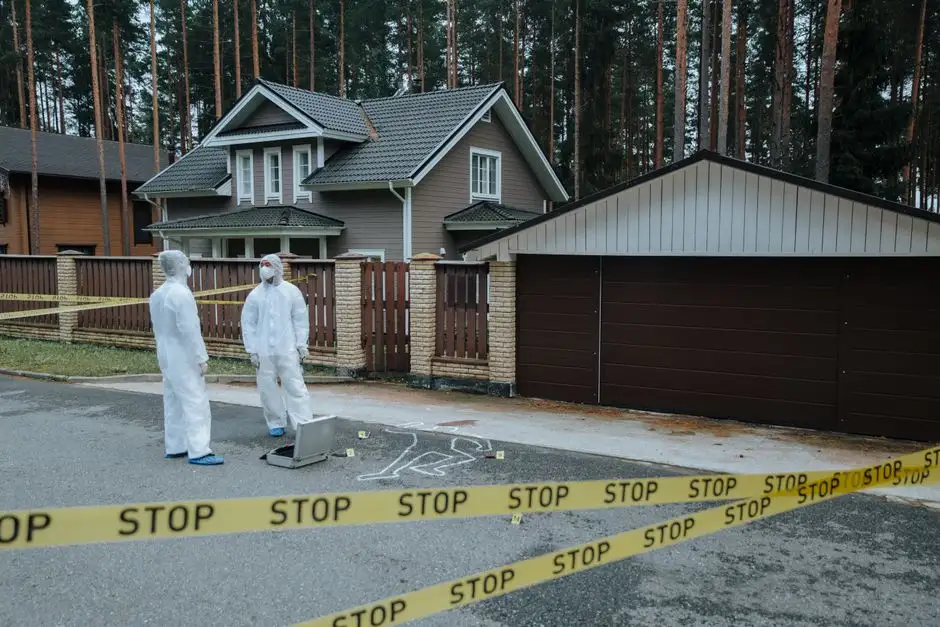
Crime scene investigators in protective suits examining evidence at a suburban house with yellow tape.
Licensed Licensed & Bonded
Fully Insured Insured & Bonded
24/7 Emergency Same-Day Response
Warranty Backed Workmanship Guaranteed in Minneapolis

What The Investigation Includes

Your visit covers a symptom history, visual review of affected and adjacent areas, moisture measurements, and a plain-language explanation of findings. We select imaging, borescope viewing, or sampling only when it fits the evidence and the question. Destructive opening and remediation are separate work; we identify when access could help and discuss the location before any finish is disturbed.

Symptom And Leak History

We record where odors, stains, and dampness occur, when they began, and whether they change after rain, plumbing use, or HVAC operation. That history helps connect concealed conditions to a likely water route instead of treating each room as an unrelated complaint.

Moisture And Surface Checks

We inspect accessible materials and compare readings across suspect and control locations. A hygrometer records indoor humidity, while a moisture meter checks building materials. We note visible growth, staining, condensation, and material damage that could help explain the concern.

Targeted Cavity Viewing

Where suitable access exists, a borescope can provide a view inside a wall, cabinet void, or ceiling cavity. We explain the limits of that view and avoid implying that one small opening represents every concealed area in the building.

Sampling When It Helps

If results could clarify a specific issue, we collect an appropriate air or surface sample and document its location. Laboratory analysis is an add-on based on the question and sample type; we interpret it together with inspection observations and moisture evidence.

Findings And Action Plan

We summarize the likely source, affected locations, relevant measurements, and practical next steps. You can use the information to coordinate leak repair, drying, cleanup, or a follow-up inspection, and to explain the concern to a contractor or property manager.

Hidden Mold Investigation Minneapolis MN


Hidden Mold Investigation Minneapolis MN is a building assessment that locates concealed mold and moisture sources when visible surfaces do not explain an odor, staining, or recurring dampness. We start with a room-by-room history, inspect likely water paths, and use a moisture meter, thermal imaging camera, and other suitable tools to narrow the search. If evidence points into a cavity, a borescope may let us view it through a small access opening. Sampling is selected to answer a specific question, not added automatically.

Minneapolis homes face freeze-thaw cycles, snowmelt, summer humidity, plumbing leaks, and roof or attic moisture; older plaster, finished basements, and remodeled walls can hide the trail. Our concealed mold investigation in Minneapolis connects the odor or stain to measurable moisture conditions and building details. If you need to find mold behind walls in a Minneapolis home, we check adjoining rooms, cabinet backs, baseboards, and the moisture source before recommending any opening or laboratory test.

What To Expect During Inspection

Hidden mold investigation in Minneapolis begins with your observations and ends with a clear explanation of findings. We keep the visit organized: establish the symptom, check likely moisture sources, test relevant surfaces, and review whether sampling or a limited opening would add useful evidence. A straightforward residential visit often takes 2 to 4 hours; larger or more complex properties need additional time.

01

Schedule

Call or book online — a real human picks up and confirms a 2-hour arrival window.

02

Diagnose

Licensed tech inspects on-site, then walks you through the cause and your options.

03

Fix

The job is completed to code and done right the first time — no shortcuts, no surprises.

04

Guarantee

Every job backed by a written workmanship warranty — and we stand behind it.

Tools And Field Methods

Tools & Equipment

Moisture meter

We use it to compare moisture in suspect building materials with nearby control areas. Readings help map dampness, but material type and instrument limits matter, so we interpret each value in context.

Thermal imaging camera

The camera shows surface temperature patterns that can suggest a wet area, air leak, or temperature difference. We verify useful patterns with moisture measurements because an image alone cannot confirm mold or moisture.

Borescope

A borescope views an accessible cavity through an existing or limited opening. It can help inspect behind a cabinet or wall finish without removing a large section, while its view remains limited to the area reached.

HEPA air sampling pump

When air sampling is appropriate, a calibrated pump draws a measured volume of air through a spore trap cassette. We record the sample location and conditions so laboratory results can be compared thoughtfully.

Hygrometer

We use a hygrometer to record indoor relative humidity and temperature during the visit. Those readings help explain condensation risk and are interpreted with surface conditions, ventilation, and the home's moisture history.

Methods & Standards

Moisture mapping with control locations

We take readings at the suspected area and compare them with nearby materials that appear unaffected. This creates a useful pattern rather than relying on one isolated number. We note the material, location, and conditions so later repairs or drying checks can revisit the same points.

Targeted visual cavity inspection

We use available access points first, then consider limited access only when evidence supports it. A borescope view can reveal conditions immediately around the opening, but cannot survey an entire wall. We explain that boundary before using the view to guide further decisions.

Documented air or surface sampling

We collect samples only when they can answer a defined question about a suspect location or airborne condition. A spore trap cassette or sterile swab is labeled with its location and handling details. Results from a qualified laboratory are read alongside moisture findings and the inspection record.

Source-first building assessment

We trace likely routes from plumbing, roofs, windows, foundations, and HVAC-related moisture before discussing cleanup. Finding and correcting the water source is essential to a durable response. We distinguish active moisture from old staining and identify when a repair professional should investigate further.

When To Investigate Concealed Mold

01

A Minneapolis homeowner smells dampness near a finished basement wall after winter thaw, but sees no surface growth.

What we do: We inspect the wall and nearby floor, check accessible foundation areas, and compare moisture readings between the suspect section and a dry control. We ask how the odor changes after snowmelt or rain and look for concealed water paths before recommending further access.

→ You learn whether the evidence points toward seepage, indoor condensation, or another source and can direct repairs to the affected area.

02

A North Loop renter reports a kitchen-cabinet odor that intensifies after the sink has been used.

What we do: We check plumbing connections, the cabinet back, adjacent wall, and floor for moisture patterns. If the cavity is accessible, a borescope may show its interior. We document findings so you and the property manager can coordinate a focused repair rather than repeatedly cleaning the cabinet.

→ The inspection narrows the concern to a practical location and records evidence that can guide repair and follow-up.

03

A homeowner sees condensation on bedroom windows and notices a musty smell near an exterior wall during cold weather.

What we do: We assess indoor humidity, window and wall conditions, and nearby materials, then compare readings across the room. We check whether the pattern suggests condensation or a separate concealed leak. If needed, we recommend targeted sampling or closer inspection based on the evidence.

→ You get a clearer explanation of the moisture pattern and specific areas to monitor or correct as indoor conditions change.

04

A property manager needs to investigate an odor complaint before repairs begin in an occupied Minneapolis unit.

What we do: We review the complaint history, inspect the reported room and adjacent areas, and record relevant measurements and visible conditions. When sampling is justified, we document collection locations and explain laboratory timing. The findings support a repair plan that addresses both the reported area and likely source.

→ You receive organized findings to share with the tenant and repair team, reducing guesswork about where to start.

How We Investigate Minneapolis Homes

Hidden mold inspection Minneapolis MN work often starts with a seasonal clue: basement dampness after thaw, window condensation during cold weather, or an attic stain following a roof leak. Minneapolis has a mix of older homes, updated interiors, multifamily buildings, and finished basements; each can conceal moisture behind plaster, drywall, cabinets, or insulation. We ask whether the condition changes after rain, snowmelt, plumbing use, or HVAC operation, then inspect the most relevant connected spaces. In winter, cold surfaces and indoor humidity can create condensation; during spring thaw, foundation water entry deserves attention. Our approach follows Minnesota Department of Health mold guidance and focuses on correcting moisture, not simply measuring spores. If you need a mold behind walls inspection Minneapolis Minnesota, we compare readings, check accessible cavities, and explain what would justify a closer view. We serve Hennepin County neighborhoods and document local building conditions without assuming every home has the same cause.

Neighborhoods We Serve

  • Northeast Minneapolis

    Older homes and later renovations can leave layered wall finishes or patched areas. We check the reported room and connected spaces rather than assuming the visible repair marks the full extent of a moisture issue.

  • Uptown

    Multifamily buildings and remodeled kitchens or bathrooms can complicate odor tracing. We consider shared walls, plumbing routes, and ventilation patterns while keeping findings tied to the inspected unit.

  • Longfellow

    Basement moisture after thaw or heavy rain is a common reason to investigate. We look for changes in foundation-adjacent materials and compare them with drier areas to map the pattern.

  • North Loop

    Converted and updated spaces can include concealed chases and finished ceilings. We review the odor location, building history, and accessible service areas before considering any limited opening.

Local Conditions We Plan For

  • Winter condensation on windows and cold exterior walls

    Cold surfaces can collect moisture when indoor humidity is high, leaving staining or damp materials near windows. We measure indoor conditions and inspect the affected materials so you can distinguish condensation from a leak entering the wall.

  • Spring snowmelt and basement water intrusion

    Thaw can expose foundation seepage that was less noticeable during colder weather. We ask when dampness appears, inspect nearby finishes and floor edges, and check whether moisture readings form a pattern consistent with water entry.

  • Roof leaks and attic moisture after storms

    Water can travel along framing before it appears as a ceiling stain, while attic condensation can affect roof materials. We inspect accessible attic areas and compare the suspected location with the room below to narrow the path.

Basement Odor After Thaw

Before

A homeowner in Longfellow noticed a musty smell near one finished basement wall after spring thaw. The paint looked intact, and a portable dehumidifier reduced the odor only temporarily. No one knew whether the source was foundation seepage, a plumbing leak, or moisture trapped behind the finish.

After

We compared readings across the wall and floor, found a localized damp pattern, and checked an accessible cavity with a borescope. The evidence pointed to moisture near the foundation side rather than the nearby plumbing. The owner had a defined repair area and a baseline for checking conditions after drying.

Maintenance: Keep stored items several inches from the wall, track humidity with a hygrometer, and check the same locations after heavy rain or thaw. If readings rise again, address water entry before replacing finishes.

Before

A Minneapolis homeowner had a dried ceiling stain below an upstairs bathroom and a faint odor that returned after showers. The surface seemed dry, but the homeowner wanted to know whether replacing the ceiling would solve the problem or cover an active leak.

After

We inspected the ceiling and accessible bathroom plumbing, compared moisture readings, and used a borescope through a small existing opening. The cavity view and localized readings supported a plumbing-related moisture concern. The owner could direct a repair to the likely source before closing the ceiling.

Maintenance: After repair, keep the area open until affected materials are dry and check the same measurement points. Run the bathroom exhaust during and after showers, and watch for any return of staining or odor.

Before

A tenant in Uptown reported a recurring odor under the kitchen sink. Cleaning the cabinet did not help, and the property manager needed a clear way to determine whether the concern came from a drain connection or a concealed wall area.

After

We checked the sink connections, cabinet base, and adjoining wall, then recorded moisture comparisons at the affected and control areas. The inspection narrowed the concern to the plumbing-side cabinet area and documented where follow-up repair should focus. The manager had a location-specific record for the maintenance team.

Maintenance: Check beneath the sink monthly for drips, swollen material, or odor changes. After repair, dry the cabinet fully and recheck the documented locations over the next few weeks.

Solve The Source Of Hidden Mold

A covered-up stain or persistent odor does not tell you whether a cavity is still wet, whether a leak remains active, or whether cleanup addressed the source. We investigate the building conditions behind the symptom and make the findings usable. If you need to check for mold behind cabinets or drywall Minneapolis, we focus on the affected materials and nearby water paths.

Problem

A musty odor returns after surface cleaning or repainting.

Covering the odor can leave a damp cavity or ongoing leak untouched, allowing damage to continue behind finishes and making future repairs harder to target.

Our Fix

We map where the odor is strongest, inspect adjoining surfaces, and compare moisture readings around the suspected area. If a cabinet, wall, or ceiling cavity is implicated, we use available access or discuss a limited viewing point. You receive a location-based explanation and next steps that address the moisture source rather than masking the smell.

Problem

A basement wall feels damp after snowmelt or heavy rain.

Repeated wetting can affect stored belongings, wall finishes, and materials behind finished surfaces, while seasonal drying can hide the pattern between events.

Our Fix

We inspect the foundation-side area, check adjacent materials, and look for staining, condensation, and moisture gradients. We ask when water appears and whether the condition tracks rain or thaw. The findings help you distinguish likely water entry from indoor humidity and prioritize drainage, repair, or further cavity inspection.

Problem

A ceiling stain dries but an upstairs leak remains uncertain.

Replacing the finish before locating the leak can conceal continued plumbing or roof moisture and lead to another damaged ceiling.

Our Fix

We inspect above and around the stain, compare moisture readings, and review plumbing fixtures or attic conditions where accessible. Thermal imaging can help identify temperature differences, but we confirm patterns with other evidence. You get a clearer location to investigate before closing the ceiling again.

Problem

A homebuyer notices odor despite clean-looking rooms.

An unexplained odor can complicate a purchase decision and leave a concealed water issue unaddressed after the move.

Our Fix

We focus the inspection on rooms and materials linked to the odor, including basements, bathrooms, and areas with prior repairs. We document observations and identify whether sampling or closer access could answer the remaining question. That gives you a fact-based follow-up plan before deciding how to proceed.

Clear Findings, Practical Next Steps

Clear Findings, Practical Next Steps

A focused investigation replaces guesswork with a documented path from symptom to likely source. We show you where moisture readings change, which surfaces warrant closer attention, and whether sampling would help answer the question. You leave with findings you can use to plan a repair, discuss the issue with a property manager, or verify that a suspected area is dry.

  • Locate The Moisture Path

    We compare moisture readings across the affected area and nearby dry surfaces, then trace likely routes from plumbing, windows, roofs, or foundations. A pinless moisture meter checks broad areas without puncturing finishes. That comparison helps distinguish a localized leak from widespread dampness and gives you a clearer repair target.

  • Reduce Unneeded Opening

    Thermal imaging and a borescope can narrow investigation areas before a finish is disturbed. These tools do not identify mold by themselves, so we pair images with moisture readings, visual evidence, and building history. You get a reasoned decision about whether a small access point or further testing is warranted.

  • Clarify Air And Surface Evidence

    When conditions call for sampling, we choose air or surface collection to address the question at hand. A spore trap cassette or sterile swab is collected with location notes, then submitted for laboratory analysis when appropriate. Results add context; they are interpreted alongside the inspection rather than treated as a standalone diagnosis.

  • Support A Measured Repair

    Your findings identify affected locations, moisture conditions, and suggested next actions without turning every odor into a demolition job. If a wet wall needs opening, you can discuss the evidence with the repair professional before work starts. After cleanup or drying, follow-up inspection can check whether the original condition has changed.

Training And Field Standards

Licensed & Certified

  • IICRC Applied Microbial Remediation Technician — issued by Institute of Inspection, Cleaning and Restoration Certification
  • ACAC Council-certified Indoor Environmentalist — issued by American Council for Accredited Certification
  • IICRC Applied Structural Drying — issued by Institute of Inspection, Cleaning and Restoration Certification
  • EPA Mold Course Certificate — issued by U.S. Environmental Protection Agency

Verified Reviews

Google Not stated

We do not publish an unverified rating or review count. Our customers value clear explanations of where moisture was found, what the tools showed, and which next step makes sense. Ask us about the inspection process for your Minneapolis property.

Customer feedback Not stated

Homeowners often call after an odor returns despite cleaning or repainting. We focus the visit on the reported location, record relevant moisture conditions, and explain whether additional access or testing would help answer the question.

Customer feedback Not stated

Property managers need findings they can act on and communicate clearly. Our investigation documents the affected area and likely moisture path so maintenance teams can prioritize a repair and arrange a sensible follow-up check.

Field Knowledge And Training

Our Minneapolis team approaches concealed mold as a building-moisture problem first: identify the water source, understand how materials respond, and use testing only when it can answer a useful question. We draw on local experience with basements, older finishes, attic moisture, and seasonal condensation. Training such as IICRC Applied Microbial Remediation Technician (AMRT) and ACAC Council-certified Indoor Environmentalist (CIE) supports careful inspection practices; credentials are relevant to the work, not a substitute for site evidence. We explain the limits of every instrument and keep observations tied to the room and material inspected.

  • We compare suspect readings with control locations so you can see whether moisture is isolated or spread across adjoining materials.
  • Our investigation considers plumbing, roof leaks, foundation seepage, condensation, and HVAC concerns instead of treating every odor as the same problem.
  • When laboratory analysis is appropriate, we use documented collection locations and recognized laboratory options such as EMLab P&K or Eurofins Built Environment Testing.
  • We follow Minnesota Department of Health mold guidance when explaining moisture prevention, visible growth, and the role of professional assessment.
  • We distinguish instrument readings from confirmed visible growth and explain what a non-invasive check cannot establish without a closer view.
Get Started Today
Field Knowledge And Training

Questions About Hidden Mold

Real answers to the questions we hear most often from local homeowners and property managers.

How can an inspector find hidden mold in Minneapolis?
An inspector combines building-history questions, visual checks, moisture measurements, and targeted tools to locate likely concealed growth. We compare suspect areas with nearby controls, use thermal imaging to identify temperature patterns, and may use a borescope through an existing opening. If sampling would answer a specific question, we collect a documented air or surface sample. The investigation identifies evidence and likely sources; a laboratory result is interpreted with site conditions, not by itself.
How much does a concealed mold inspection cost in Minneapolis MN?
A focused Minneapolis investigation commonly costs $250 to $850, with typical 2026 pricing shaped by property size, access, sampling, and travel between areas. A simple two-room moisture investigation costs less than a multi-level home with attic and basement checks or laboratory samples. We explain the price before work begins. Hidden mold investigation near me Minneapolis MN searches often reflect an urgent odor or leak; call +18668968166 to describe the affected area.
Can mold be detected behind walls without opening them?
Sometimes we can identify strong indicators without opening a wall, but no non-invasive tool confirms every hidden cavity. Moisture meters, thermal images, odor patterns, and adjacent stains help narrow the search; a borescope needs an access opening to view inside. We recommend a small opening only when the evidence supports it and the added view could change the repair plan. Sampling the room air cannot pinpoint a specific wall cavity on its own.
What causes a persistent musty smell indoors?
Persistent musty odors often come from damp building materials, concealed mold, a plumbing or roof leak, basement water intrusion, or moisture trapped near HVAC components. We check whether the odor follows a room, wall, cabinet, or operating system, then measure suspect materials and inspect likely water paths. A smell alone does not prove mold. If it returns after cleaning, document when and where it is strongest and arrange an investigation.

Related Inspection Services

Residential Mold Inspection

A whole-home inspection can broaden a concealed investigation when odor or dampness crosses rooms. We check living areas, basements, and accessible attic spaces, then connect visible evidence and moisture readings to the suspected hidden source.

View Residential Mold Inspection

Commercial Mold Inspection

For offices, retail spaces, and multifamily properties, we assess affected rooms and adjoining building areas while noting occupancy and ventilation patterns. Findings help property teams prioritize repairs and communicate a clear plan to occupants.

View Commercial Mold Inspection

Mold Testing and Sampling

Targeted air or surface sampling adds laboratory evidence when inspection findings leave a specific question. We document where samples were taken and explain how results relate to moisture, visible conditions, and the suspected concealed area.

View Mold Testing and Sampling

Air Quality Testing for Mold

Air testing can compare airborne particles in selected indoor locations with an appropriate comparison sample. It does not identify the exact source by itself, so we use it alongside a concealed investigation when the question concerns airborne conditions.

View Air Quality Testing for Mold

Surface Mold Testing

Surface sampling can help characterize suspected growth on a material that is accessible. We collect a swab or tape-lift sample from a defined location and connect the result to the moisture conditions and surrounding building materials.

View Surface Mold Testing

Indoor Air Quality Assessment

When odors or comfort concerns extend beyond one suspected wall, an indoor air quality assessment looks at broader conditions such as humidity, ventilation, and particle patterns. It can help separate a localized concealed source from a building-wide concern.

View Indoor Air Quality Assessment

Book Hidden Mold Investigation Minneapolis MN

A recurring odor, unexplained dampness, or water stain deserves a source check before another repair hides the evidence. Our local team documents what we find and explains the next step. Call Minneapolis Mold Testing at +18668968166 to arrange an investigation.

Call Our Team Book Inspection

Contact Minneapolis Mold Testing

Call Minneapolis Mold Testing at +1 866-896-8166 to describe the affected room, recent water events, and any odor or visible growth. Our office hours are Monday through Friday, 8:00 a.m. to 6:00 p.m.; we respond during those hours to arrange the next practical step. We serve Minneapolis, Minnesota, including Hennepin County neighborhoods and nearby ZIP codes.

Or call us right now at +18668968166 — we answer.

Minneapolis Mold Testing


  • Phone

    +18668968166
  • Address

    Minneapolis, Minnesota

  • Hours

    Mon–Fri: 7AM – 7PM
    Sat: 8AM – 4PM
    Sun: Emergency Only
    24/7 Emergency Available

Call +18668968166 Get Quote
Call Quote