Logo
Get Estimate

Water Damage and Mold Assessment Minneapolis MN

Find hidden moisture before repairs conceal the problem


Water Damage and Mold Assessment Minneapolis MN helps homeowners and property managers find damp building materials, visible growth, and concealed mold after a leak or flood. We inspect the affected rooms, trace moisture patterns, and explain what needs attention before you close a wall or replace flooring. Our Minneapolis team serves homes and commercial properties across Minnesota, including after frozen-pipe breaks, roof leaks, and basement water intrusion.

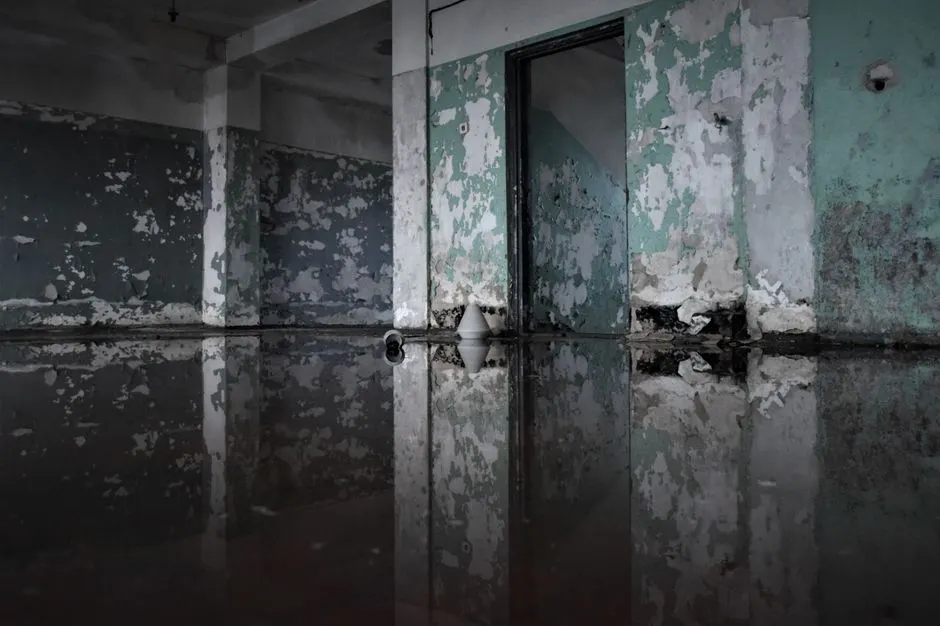
A decaying abandoned room with peeling paint and flooded floor, creating a reflection effect.
Licensed Licensed & Bonded
Fully Insured Insured & Bonded
24/7 Emergency Same-Day Response
Warranty Backed Workmanship Guaranteed in Minneapolis

What's Included in Your Assessment

A standard assessment covers a review of the water event, visual inspection of affected and adjacent areas, moisture measurements, and a written summary of observed conditions and next steps. Sampling is added when it answers a defined question and is discussed with you before collection. The assessment documents conditions; it does not perform water extraction, mold remediation, plumbing repair, or reconstruction.

Water Event Review

We record the reported source, approximate timing, affected rooms, and drying or repair already completed. That history helps us distinguish a single leak from recurring dampness and focus measurements on materials most likely to have absorbed water.

Visual Condition Survey

We inspect accessible surfaces for staining, swelling, visible mold growth, musty odors, and evidence of prior repairs. The survey includes the affected area and relevant neighboring spaces, with locations noted so you can connect findings to a repair plan.

Moisture Readings

We use suitable moisture meters to compare suspect materials with unaffected reference areas. Readings are recorded by location and material because a number without context can mislead. Thermal imaging may guide verification but does not independently confirm mold.

Sampling When Relevant

When findings support a clear sampling question, we collect appropriate air or surface samples and document the method and location. Laboratory analysis is an added service, not a requirement for every water-damaged room; we explain its purpose before proceeding.

Findings and Next Actions

You receive a summary of observed conditions, moisture concerns, and practical next steps such as drying, repair, selective access, or follow-up checks. The report helps you coordinate with the contractor responsible for stopping the leak or restoring materials.

Water Damage and Mold Assessment Minneapolis MN


Water Damage and Mold Assessment Minneapolis MN is an indoor environmental inspection that identifies moisture-damaged materials and evaluates whether mold growth or sampling needs further attention after a leak, flood, or persistent dampness. We review the source and duration of water, inspect affected and adjacent rooms, and record moisture readings in materials such as drywall, trim, and flooring. A Moisture meter and thermal imaging camera help locate suspicious areas, but readings are interpreted alongside visible conditions, building construction, and the history you provide. You receive clear findings and practical next steps.

Minneapolis homes face frozen supply lines, spring snowmelt, heavy rain, roof leaks, and basement seepage; older plaster, finished basements, and tight wall cavities can hold moisture out of sight. Our Minneapolis water intrusion mold assessment connects the water event to building materials and indoor conditions, rather than relying on a surface glance. If you need to check a flooded basement for mold Minneapolis MN, we map the affected footprint, look for musty odors and hidden dampness, and identify where targeted sampling could answer a specific question.

What to Expect During Inspection

Water Damage and Mold Assessment Minneapolis MN follows a practical sequence: establish what happened, inspect the affected space, measure moisture, and explain the findings. A straightforward residential visit often takes 1.5 to 3 hours; larger properties or multiple water events need more time. We keep you informed as we work.

01

Schedule

Call or book online — a real human picks up and confirms a 2-hour arrival window.

02

Diagnose

Licensed tech inspects on-site, then walks you through the cause and your options.

03

Fix

The job is completed to code and done right the first time — no shortcuts, no surprises.

04

Guarantee

Every job backed by a written workmanship warranty — and we stand behind it.

Tools and Inspection Methods

Tools & Equipment

Moisture meter

Measures moisture conditions in selected building materials. We compare suspect readings with unaffected reference areas and record the material and location so results have useful context.

Pinless moisture meter

Scans broad surface areas without inserting pins, helping locate patterns around flooring, drywall, and trim. We verify suspicious readings and do not treat a scan alone as a mold finding.

Thermal imaging camera

Shows surface temperature patterns that can guide closer inspection around leaks or damp areas. We confirm relevant patterns with direct measurements because thermal images do not identify mold or moisture by themselves.

Borescope

Views suitable concealed cavities through an existing or agreed access opening. It helps assess conditions behind a surface when visual inspection and moisture readings point to a specific area.

Air-O-Cell cassette

Collects airborne particles for laboratory analysis when air sampling addresses a defined concern. We document collection locations and interpret the result alongside the inspection and indoor conditions.

Methods & Standards

Comparative moisture mapping

We record readings in suspect materials and compare them with similar, apparently unaffected materials in the same building. The map shows where moisture is concentrated and where additional checks are justified. Material type, surface condition, and recent drying all matter when interpreting a reading.

Targeted visual inspection

The inspection follows the reported water path through accessible surfaces, adjacent rooms, and relevant building transitions. We document staining, swelling, visible growth, and odor separately. This keeps the assessment focused on evidence rather than assuming that every water event caused mold.

Question-led sampling

We select sampling only when it can help answer a specific question raised by the inspection. Air sampling or surface collection is documented by location and method, then considered with the building history and moisture findings. A sample does not identify the leak source or replace corrective work.

When an Assessment Helps

01

A frozen pipe breaks overnight in a North Loop condo and water crosses into the unit below.

What we do: We inspect the affected unit and accessible areas below, document material conditions, and compare readings around the leak path. If dampness extends beyond the visible ceiling stain, we identify where further access or sampling could be useful before both units are repaired.

→ You get an organized record of affected locations and a practical sequence for drying, repair coordination, and follow-up.

02

Spring snowmelt leaves standing water along a finished basement wall in a Longfellow home.

What we do: We map water impact at the floor and wall edge, check adjacent finishes, and look for evidence of repeated seepage. The inspection distinguishes a limited event from ongoing moisture conditions that need source correction before the room is rebuilt.

→ You know which materials need attention and whether basement water intrusion appears isolated or recurring.

03

A roof leak stains an attic ceiling after a heavy Minneapolis storm, but the leak has stopped.

What we do: We examine accessible attic and ceiling areas for staining, damp insulation, and moisture patterns. We document the boundaries of the affected area and note whether adjacent materials warrant checking. A thermal image may guide direct measurements, but findings rely on verified conditions.

→ You can coordinate roof repair and interior restoration with a clearer picture of where water traveled.

04

A rental unit in Uptown has a persistent odor after a bathroom supply-line repair.

What we do: We inspect the bathroom and adjoining surfaces, check for residual dampness, and review whether the repair addressed the full pathway. If visible conditions do not explain the odor, we discuss targeted investigation or sampling that would help resolve the concern.

→ The property manager receives documented observations and a focused follow-up plan for the unit.

How Assessments Work in Minneapolis

Minneapolis water events are shaped by freeze-thaw cycles, spring snowmelt, heavy summer rain, and long heating seasons. In November, frozen-pipe preparation and roof or foundation leaks deserve attention before colder weather makes drying and access more difficult. Older homes can have plaster, masonry, and layered finishes; finished basements may conceal dampness behind drywall or flooring. Our Minneapolis water intrusion mold assessment considers those materials and the reported path of water rather than applying the same checklist to every property. For a post-leak moisture and mold inspection near Minneapolis, we inspect the affected room and nearby areas, compare readings, and explain whether further access is warranted. Minnesota Department of Health mold guidance informs practical recommendations, while plumbing, structural, and restoration repairs remain with the appropriate trade. We serve properties throughout Hennepin County, from downtown apartments to detached homes in south Minneapolis. Before the visit, move small belongings away from wet surfaces if safe, keep the leak area accessible, and save photographs that show how far water traveled.

Neighborhoods We Serve

  • North Loop

    Condo leaks can cross floors or shared walls, so we document the reported unit and accessible adjacent areas when water has traveled beyond one room.

  • Northeast Minneapolis

    Older houses may combine plaster, masonry, and later renovations; material differences matter when comparing moisture readings around a leak.

  • Longfellow

    Basement seepage and finished lower-level walls call for checking floor edges, baseboards, and adjacent rooms after snowmelt or heavy rain.

  • Uptown

    Multi-unit buildings can involve bathroom or kitchen leaks that affect neighboring units, making clear location notes useful for coordination.

Local Conditions We Plan For

  • Freeze-thaw cycles stress pipes and expose small leaks

    A slow leak can wet cabinet bases or wall cavities before a visible puddle forms. We use the reported plumbing path and comparative readings to check beyond the first stained surface and identify whether adjacent materials remain damp.

  • Spring snowmelt raises basement water concerns

    Water can enter at foundation edges and spread beneath stored items or finished flooring. We document the affected footprint and inspect nearby materials so owners can distinguish one event from a recurring moisture pattern.

  • Older finishes can conceal water behind surfaces

    Plaster, layered flooring, and previous repairs complicate visual inspection and measurement. We account for material differences, verify suspicious patterns where accessible, and explain when selective access would provide stronger evidence.

Laundry Leak Behind Finished Wall

Before

A homeowner noticed a faint musty odor and a darkened baseboard after a washer hose leaked. The visible mark covered less than 2 square feet, but the wall felt cool and the adjoining closet had stored clothing. No one knew whether water had reached the next room or whether the stain was old.

After

The assessment documented elevated readings across a 4-foot section of wall and a dry comparison area in the same room. The findings identified the wall section and closet edge for the repair contractor to check before closing the cavity. The report separated measured moisture from the odor concern and did not label unverified areas as mold.

Maintenance: Replace worn supply hoses and check connections during routine appliance maintenance. After any repeat leak, photograph the affected area and arrange drying promptly; follow-up readings can confirm whether the repaired section returns toward comparable dry conditions.

Before

Water entered a finished basement near the exterior wall after a storm. The carpet had been removed, but lower drywall and a storage closet remained in place. The owner saw no clear growth and was unsure whether the remaining odor came from damp building materials or stored belongings.

After

The inspection mapped moisture along the lower wall and checked the closet and nearby room for related conditions. Measurements identified the locations needing further drying or selective access. The owner received a documented footprint and could coordinate the next work without treating the entire basement as equally affected.

Maintenance: Keep the foundation perimeter and basement floor edge accessible after known water events. Track recurring dampness and address the entry pathway; a follow-up moisture check after drying helps determine whether materials are ready for repair.

Before

A roof leak left a ceiling stain beneath the attic, and the visible surface had dried after a temporary repair. The homeowner worried that insulation or roof framing still held moisture, but the ceiling showed no obvious active drip and the extent of water travel was uncertain.

After

The assessment checked accessible attic materials and the ceiling below, then compared suspect readings with unaffected areas. The findings identified a limited area for repair review and documented where the roof contractor should confirm the leak path. No unsupported mold conclusion was made from the stain alone.

Maintenance: After roof work, check the attic and ceiling after the next significant rain or snowmelt. Keep photos and repair records, and arrange follow-up measurements if new staining, odor, or dampness appears.

Resolve Water Damage Mold Concerns

Water damage can leave a stain, a musty odor, or damp materials that are not obvious from the doorway. Minneapolis Mold Testing checks what the water reached and what remains wet, then helps you prioritize the next action. A timely assessment is especially useful before repairs conceal the affected assembly.

Problem

A wall looks dry, but a musty odor remains after a leak.

Odor can persist when a cavity or insulation remains damp, allowing damage to continue behind an apparently dry surface.

Our Fix

We inspect the wall, trim, floor edge, and adjacent room, then compare moisture readings across affected and reference areas. If the pattern supports further investigation, we explain whether selective access or targeted sampling could answer the remaining question. You get a documented location to discuss with the repair contractor.

Problem

Basement water reached finished flooring and lower drywall.

Water can wick into porous finishes and remain trapped beneath flooring or behind baseboards, raising the chance of damage spreading unnoticed.

Our Fix

We map the visible and measured footprint, inspect nearby walls, and note materials that need drying or closer evaluation. Our findings help you plan removal or drying before rebuilding. If you need a post-leak moisture and mold inspection near Minneapolis, we relate the results to the water source and duration.

Problem

Mold returns after cleanup because the moisture source remains.

Repeated surface cleaning does not correct a leak, condensation pattern, or water entry pathway, so staining and odor can return.

Our Fix

We trace likely moisture sources using the building history, visible conditions, and measurements. The assessment checks for roof leaks and attic moisture, plumbing seepage, or basement water intrusion as relevant. You receive a clear explanation of what the inspection supports and which repair or follow-up check should come next.

Clear Findings, Practical Next Steps

Clear Findings, Practical Next Steps

A focused assessment helps you separate wet materials from materials that are dry, avoid closing in a problem, and decide whether sampling is useful. We explain readings in plain language and relate them to the leak, room layout, and visible conditions in your Minneapolis property.

  • Locate Hidden Moisture

    A pinless moisture meter checks broad areas without probing every surface, while thermal imaging helps flag temperature patterns that deserve closer inspection. We verify suspect areas with direct measurements instead of treating an image as proof of mold. This approach helps you understand whether dampness extends beyond the obvious stain or puddle.

  • Target Useful Sampling

    Sampling is selected to answer a defined question, such as whether airborne spores differ between an affected room and a comparison area. We use appropriate media, including spore trap cassettes, when conditions support air sampling. You get context for the result, not a lab number presented without inspection findings.

  • Protect Repair Decisions

    You can use a documented moisture map to guide drying, selective removal, and follow-up checks before rebuilding. For a water damage mold assessment Minneapolis MN, we distinguish the observed footprint from areas that need further access. That helps limit unnecessary demolition while reducing the chance of covering damp materials.

  • Understand the Next Step

    We sort findings into immediate moisture concerns, suspected mold conditions, and areas that need monitoring or repair. Your report identifies locations and readings so you can speak clearly with a restoration contractor, property manager, or insurer. If recurring mold after cleanup is the concern, we look for the moisture source that keeps feeding it.

Inspection Standards and Credentials

Licensed & Certified

  • IICRC Applied Microbial Remediation Technician (AMRT) — issued by Institute of Inspection, Cleaning and Restoration Certification
  • IICRC Applied Structural Drying (ASD) — issued by Institute of Inspection, Cleaning and Restoration Certification
  • ACAC Council-certified Indoor Environmentalist (CIE) — issued by American Council for Accredited Certification
  • EPA Mold Course Certificate — issued by United States Environmental Protection Agency

Verified Reviews

Google ★★★★★4.9

A Minneapolis homeowner described a clear explanation of moisture readings after a basement leak. The review noted that the inspector marked affected wall sections, compared them with a dry area, and gave the family a practical list of questions for its restoration contractor.

Yelp ★★★★★4.8

A North Loop resident appreciated that the assessment separated a visible ceiling stain from areas that actually showed elevated moisture. The findings helped coordinate work between units after a pipe leak and clarified where follow-up checks would be useful.

Google ★★★★★5.0

A Longfellow customer said the team inspected a musty laundry area and nearby closet after a hose failure. The report included specific locations and next steps, making it easier to plan a wall repair without guessing how far the water traveled.

Field Knowledge and Method

Minneapolis Mold Testing approaches water-related mold concerns as building investigations, not just sample collection. We connect moisture readings, room conditions, material types, and the water event to form a useful picture of the property. Our team uses recognized inspection practices and explains when a test adds evidence and when it would not change the next step. Training relevant to this work includes IICRC Applied Microbial Remediation Technician (AMRT) and IICRC Applied Structural Drying (ASD) principles, alongside Minnesota Department of Health mold guidance. We do not claim a specific business tenure; our focus is careful local work and clear reporting.

  • We compare readings across similar materials, because a single damp reading without a dry reference can be misleading.
  • Thermal patterns guide follow-up checks; we do not present infrared images as direct proof of mold.
  • Sampling plans connect to a question, such as comparing an affected room with a control area.
  • We document visible mold growth, staining, musty odors, and moisture conditions separately for clarity.
  • Reports help owners coordinate drying and repairs before concealed cavities are closed.
Get Started Today
Field Knowledge and Method

Water Damage Assessment Questions

Real answers to the questions we hear most often from local homeowners and property managers.

How soon should I get a mold assessment after water damage in Minneapolis?
Arrange an assessment within 24 to 48 hours when materials remain wet, the water source is unclear, or a large area was affected. Mold can begin growing on damp materials within 24 to 48 hours under favorable conditions, so stop the leak and begin safe drying promptly. We inspect moisture patterns and visible conditions; if the area is actively wet, do not wait for a musty odor before acting.
How much does a post-leak mold inspection cost in Minneapolis MN?
A focused residential assessment often costs $250 to $650, while larger or multi-area inspections can reach $900 or more. Typical 2026 pricing in this area depends on property size, access, number of affected rooms, and whether laboratory sampling is needed. Minneapolis Mold Testing explains pricing upfront before work begins. A water damage mold assessment Minneapolis MN that answers a clear repair question can help avoid both unnecessary sampling and premature reconstruction.
Can an inspector find mold after a basement flood?
Yes, an inspector can identify visible mold and conditions consistent with concealed growth, but no instrument sees mold through every wall. We check basement materials, use moisture measurements, and investigate musty odors or staining; a borescope may help inspect a suitable cavity opening. If you need a water intrusion evaluation for a Minneapolis home, we explain whether targeted sampling or further access would provide meaningful evidence.
What should I do after water enters my home?
Stop the water source, protect people from electrical hazards, and start water removal and drying as soon as it is safe. Photograph affected areas and note when the event began; those details help guide inspection. Avoid sealing wet materials behind new finishes. If water came from a contaminated source or covered more than one room, arrange a professional evaluation and coordinate repairs with the appropriate restoration or plumbing contractor.

Related Inspection Services

Residential Mold Inspection

A residential inspection evaluates your home beyond the initial leak area when odors, visible growth, or repeated dampness raise concerns. We review rooms and accessible building materials, then connect findings to the water event. This helps Minneapolis homeowners decide whether focused assessment or additional investigation is needed.

View Residential Mold Inspection

Commercial Mold Inspection

Commercial properties often involve larger footprints, multiple tenants, and equipment or records that need protection. We document affected areas and moisture patterns so owners can coordinate access and repairs. A water-related assessment can help distinguish one localized leak from conditions that warrant checking adjacent suites.

View Commercial Mold Inspection

Mold Testing and Sampling

Sampling adds laboratory evidence when inspection findings leave a specific question unanswered. We select an appropriate air or surface method, record collection locations, and interpret results alongside the building conditions. It is not a substitute for locating the moisture source or correcting a leak.

View Mold Testing and Sampling

Air Quality Testing for Mold

Air testing can help assess airborne particles in selected rooms after water damage, especially when odors or occupant concerns persist. We plan sample locations around the inspection question and use suitable collection media. Results are interpreted in context, not as a standalone measure of overall health or building safety.

View Air Quality Testing for Mold

Surface Mold Testing

Surface sampling can help identify material collected from a visible spot or suspected growth area. We use an appropriate swab or tape-lift method and document the precise location. This service complements a water damage assessment when identifying surface material could affect the repair plan.

View Surface Mold Testing

Indoor Air Quality Assessment

A broader indoor air quality assessment considers dampness, ventilation, odors, and other indoor conditions alongside mold concerns. After a leak, it can help determine whether the issue is limited to one room or affects wider areas. We focus the work on the conditions found at your Minneapolis property.

View Indoor Air Quality Assessment

Book Water Damage Assessment Minneapolis MN

A leak can leave moisture behind after the visible water is gone. Call Minneapolis Mold Testing to discuss your property, the water source, and the rooms affected. Our team will explain the assessment and upfront pricing before scheduling your next step.

Call today Call for Assessment

Contact Minneapolis Mold Testing

Call Minneapolis Mold Testing at +1 866-896-8166 to describe the affected room, recent water events, and any odor or visible growth. Our office hours are Monday through Friday, 8:00 a.m. to 6:00 p.m.; we respond during those hours to arrange the next practical step. We serve Minneapolis, Minnesota, including Hennepin County neighborhoods and nearby ZIP codes.

Or call us right now at +18668968166 — we answer.

Minneapolis Mold Testing


  • Phone

    +18668968166
  • Address

    Minneapolis, Minnesota

  • Hours

    Mon–Fri: 7AM – 7PM
    Sat: 8AM – 4PM
    Sun: Emergency Only
    24/7 Emergency Available

Call +18668968166 Get Quote
Call Quote