
Powderhorn Park
Powderhorn Park is a recognizable neighborhood orientation point. It helps identify the general area when confirming directions to a nearby residential address, but it is not used to infer a property's moisture or mold conditions.

Mold Inspection and Testing in Powderhorn is an indoor environmental assessment that identifies moisture conditions and evaluates suspected mold when visible growth, water damage, or persistent odors need investigation. We serve homes and small commercial properties across Powderhorn Park, Bancroft, Bryant, Central, Corcoran, and Standish, with attention to the different layouts found in older single-family houses, duplexes, and small apartments. A basement wall that feels damp after snowmelt calls for a different inspection path than a roof leak staining an attic ceiling.
Our inspection starts with your concern and a room-by-room walkthrough. We use a moisture meter and thermal imaging camera to locate areas that warrant closer review; sampling is selected for a clear purpose, not added automatically. Our mold inspector serving Powderhorn, Minnesota explains what was observed, where moisture readings were taken, and which next step fits the evidence. We also assess suspected HVAC and duct contamination concerns and recurring mold after cleanup.
From ZIP code 55407 through nearby parts of 55408 and 55409, we work across Hennepin County with a practical focus: identify likely sources, document conditions, and give you useful findings rather than a guess. If testing is appropriate, we collect samples using suitable media and coordinate laboratory analysis. You receive a clear account of the inspection and the limits of any sample results.
Powderhorn properties bring a broad range of inspection questions: a basement odor after heavy rain, a bathroom ceiling mark, or uncertainty after a roof leak. We match the visit to the concern, inspect accessible areas, and use moisture readings to guide any sampling. If you are searching for mold inspection and testing near me in Powderhorn MN, tell us what changed, when it began, and whether water was involved. That information helps us focus the inspection rather than sample without a reason.




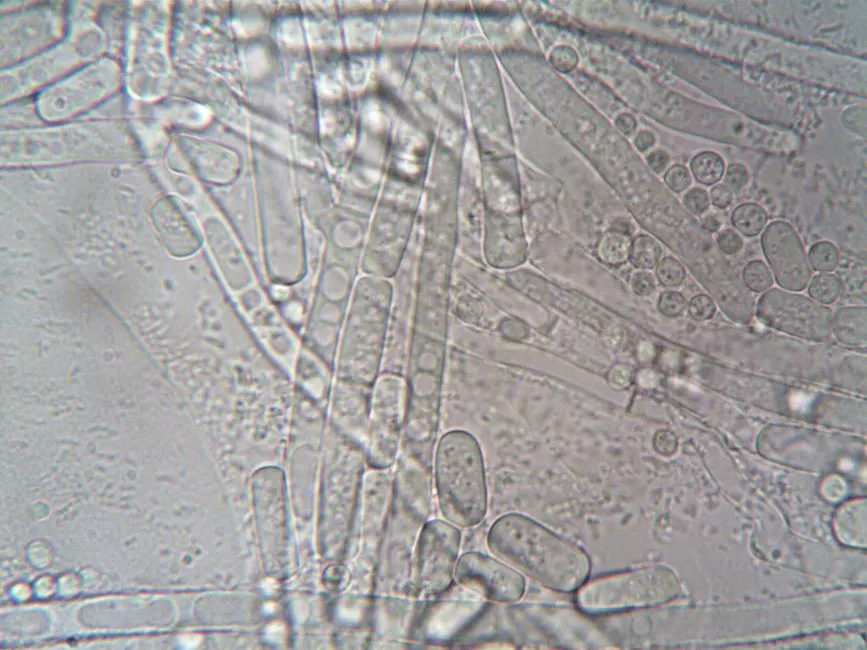








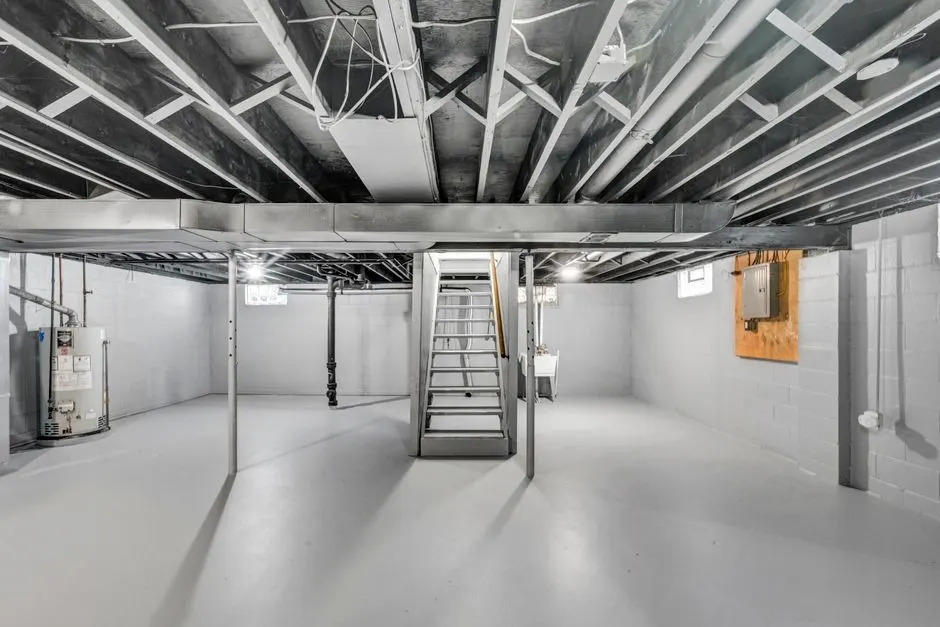






Many Powderhorn homes are older single-family houses, duplexes, and small apartments, so building age and past repairs shape the inspection. Heavy rain and snowmelt can stress drainage systems; older foundations may show seepage or persistent dampness. In winter, condensation on windows and cold surfaces can repeatedly wet trim, while roof leaks can leave attic moisture out of sight. Powderhorn mold inspection and testing looks for the moisture pattern behind a symptom, not just the visible patch. We document what is present and where the evidence points.
Water pressure and drainage conditions can change during heavy rain and seasonal thaw. Older basement walls may show damp spots, efflorescence, or staining, while finished surfaces conceal the extent. The pattern can vary from one wall to another, so a single visual check may miss the affected area.
Cold surfaces can collect condensation when indoor moisture reaches them, leaving repeated dampness at sills or adjoining trim. In winter, closed windows and limited drying can make the pattern more noticeable. This condition can resemble a leak, so the location and timing matter.
Water from a roof leak can travel along framing or insulation before appearing as a ceiling stain. A dried surface does not prove the material above is dry. Seasonal snow and rain can expose weaknesses, while access and insulation can limit direct visibility during an inspection.
Bathrooms produce moisture during normal use, and a small plumbing leak or slow-drying surface can keep finishes damp. Growth that returns after cleaning suggests the moisture source or drying condition was not corrected. Shared walls and compact apartment layouts may also restrict airflow.
Call for an inspection when a musty odor persists, visible growth returns after cleaning, or water damage leaves a stain that changes over time. In Powderhorn, basement seepage after heavy rain and cold-weather condensation deserve attention when materials stay damp or the affected area spreads. A single dark mark does not identify its cause, and an odor alone does not confirm mold. If you are considering residential mold assessment in Powderhorn MN, describe the room, the timing, and any leak or repair. That gives us a useful starting point.
Musty odor that returns after airing out
A recurring odor can point to damp materials or hidden mold behind walls, particularly near a basement, bathroom, or previous leak. Note whether it is stronger after rain or when the building has been closed. If it persists for several days, an inspection can check moisture and nearby surfaces.
Dark spotting that grows back after cleaning
Recurring visible mold growth often means the moisture condition remains, even if the surface was cleaned. Photograph the area and note how quickly it returns. Avoid disturbing a large patch; an inspection can document the material, check surrounding moisture, and determine whether sampling helps.
Basement wall or floor stays damp
Persistent dampness along an older foundation can follow seepage, drainage problems, or water intrusion. Check whether the area changes after a storm or snowmelt and move stored items away from the wall. We can map moisture readings and identify which sections need follow-up.
Ceiling stain appears after a roof leak
A ceiling stain can remain after visible water dries, while insulation or framing above it may still be damp. In Powderhorn, roof leaks and attic moisture deserve a closer check, especially after winter weather. An attic and ceiling inspection can establish what is accessible and what remains uncertain.
Window condensation repeatedly wets nearby trim
Repeated condensation on windows and cold surfaces can keep sills and surrounding finishes wet. Look for peeling paint, soft trim, or a musty odor, and note whether the pattern is seasonal. We check surface moisture and room conditions to distinguish condensation clues from a leak.
We use familiar Powderhorn landmarks to confirm general directions, not as claims about where a particular mold condition exists. Powderhorn Park and Powderhorn Recreation Center are useful reference points when arranging a visit nearby. Franklin Avenue provides a recognizable corridor for confirming access, while Midtown Global Market and Chicago Avenue Fire Arts Center help orient customers and visitors to nearby streets. Before arrival, we confirm the property address, entry instructions, and any parking limitations so the inspection starts at the correct door.
Powderhorn Park is a recognizable neighborhood orientation point. It helps identify the general area when confirming directions to a nearby residential address, but it is not used to infer a property's moisture or mold conditions.
The recreation center provides a familiar reference near Powderhorn Park for communicating general location. We still rely on the customer's exact street address and entry details to reach the property being inspected.
Chicago Avenue Fire Arts Center is a named local destination that can help clarify directions in the surrounding area. It serves as an orientation point only; inspection findings come from the building itself.
Midtown Global Market is a recognizable destination for confirming the broader south Minneapolis location. It helps with general route conversations, while the exact property address determines the final approach.
Plus surrounding Hennepin County neighborhoods, with same-day routing on most appointments.
Averaging 4.9 / 5 across verified reviews.
“We had a musty smell in our basement after a wet spring and could not tell whether it came from the wall or stored items. The inspector checked several areas, explained the moisture readings, and did not push extra sampling. We left knowing which wall needed attention and what to watch after the next heavy rain.”
Mara L.
Powderhorn Park
“Our bathroom ceiling had a stain that returned after a repair. The inspection covered the ceiling and the adjoining wall, and the findings were explained in plain language. We appreciated the distinction between a moisture concern and proof of mold. The visit gave us a practical next step for following up with the plumber.”
Daniel R.
Bancroft
“We were preparing to sell our Bryant home and wanted an independent look at an old attic stain. The inspector checked accessible framing, explained what could not be seen, and gave us a clear record of the inspection. No dramatic claims, just useful details we could share when discussing the roof repair.”
Tanya S.
Bryant
In November and through winter, cold-weather condensation and roof leaks are immediate inspection concerns in Powderhorn. Watch for wet window trim, attic staining, and basement odors that persist as temperatures drop. Spring brings snowmelt and heavy rain that can test older foundations and drainage; summer humidity can slow drying in basements and bathrooms; fall is a useful time to check roof and attic conditions before freezing weather. If you need mold testing after water damage in Powderhorn, Minnesota, record when the water occurred and what materials were dried. A clear timeline helps focus the visit.
Snowmelt and heavy rain can expose seepage at older basement walls or reveal drainage problems. Watch for damp stored items, new staining, and musty odors after wet weather. A basement that stays damp needs attention even if no visible growth has appeared.
Tip: Move stored items away from damp walls and photograph new marks after rain. If water entered the basement, arrange drying promptly and tell us when it happened so we can assess the affected materials.
Warm, humid conditions can make basements and bathrooms slow to dry, particularly where ventilation is limited. A musty smell that worsens after the home has been closed up or a stain that returns after cleaning deserves a moisture check.
Tip: Keep track of rooms that remain damp and note whether the odor changes with ventilation. Check accessible plumbing and bathroom surfaces for leaks, then book an inspection if moisture or visible growth persists.
Fall is a practical time to notice roof and attic concerns before winter weather arrives. Look for ceiling stains, water marks near the attic access, and dampness around windows as temperatures begin to fall. Addressing a known leak before freeze-thaw cycles can limit further water exposure.
Tip: Inspect accessible attic areas and window trim without disturbing suspicious material. If you find a stain, photograph it and note whether it changes after rain so the inspection can focus on the right area.
Cold weather makes condensation on windows and cold surfaces more visible, while roof leaks can leave moisture in attic materials. Repeated wetting of trim or a musty odor near an exterior wall warrants a closer look. Drying conditions can be slower in closed rooms.
Tip: Wipe and document recurring condensation, but do not treat a persistent damp area as only a surface issue. If a ceiling stain follows a leak or an odor persists, arrange an inspection and share the event timeline.
Powderhorn is part of our Minneapolis service area, and we coordinate inspection visits across nearby neighborhoods based on the property location and the concern. A basement issue in Powderhorn may be scheduled alongside work in other Minneapolis areas, but every inspection remains specific to the building. We serve customers moving between residential, rental, and commercial properties throughout the city. Use the related area pages to find service details for other parts of Minneapolis.
(City)
Downtown Minneapolis lies north of Powderhorn and is part of the same Minneapolis service network for residential and commercial inspections.
View Downtown Minneapolis(City)
North Loop is north of Powderhorn; customers with properties in both areas can use our Minneapolis-wide inspection services.
View North Loop(City)
Northeast Minneapolis is across the central city from Powderhorn and remains within our broader Minneapolis coverage.
View Northeast Minneapolis(City)
Mill District is north of Powderhorn, allowing service coordination within the same Minneapolis region.
View Mill District(City)
Loring Park is northwest of Powderhorn and shares Minneapolis service coverage for mold and moisture assessments.
View Loring Park(City)
Uptown is west of Powderhorn; both areas are served through our Minneapolis inspection routes.
View UptownReal answers from our team for the questions we hear most often before a job starts.
If a damp basement, roof leak, recurring bathroom mark, or musty odor has you concerned, call Minneapolis Mold Testing for an inspection in Powderhorn. We check moisture conditions, explain whether sampling will answer your question, and provide findings tied to the areas examined. Our team follows Minnesota Department of Health mold guidance and serves homes and businesses across Powderhorn, Minnesota. Call +1 866-896-8166 to arrange your visit.
Call Minneapolis Mold Testing at +1 866-896-8166 to describe the affected room, recent water events, and any odor or visible growth. Our office hours are Monday through Friday, 8:00 a.m. to 6:00 p.m.; we respond during those hours to arrange the next practical step. We serve Minneapolis, Minnesota, including Hennepin County neighborhoods and nearby ZIP codes.
Phone
+18668968166Address
Minneapolis, Minnesota
Hours
Mon–Fri: 7AM – 7PM
Sat: 8AM – 4PM
Sun: Emergency Only
24/7 Emergency Available