













Logo
Get Estimate

Mold Inspection and Testing in Lowry Hill Homes

Mold Inspection and Testing in Lowry Hill helps you identify visible growth, hidden moisture, and indoor air concerns before a small issue spreads through an older home or multi-unit building. Minneapolis Mold Testing serves Lowry Hill and nearby Kenwood, with inspections shaped around the building, not a standard checklist. We document what we find, explain whether sampling is useful, and give you practical next steps.

Call for Testing View Services
Local service area Phone support Clear findings
Licensed Licensed & Bonded
Fully Insured Insured & Bonded
24/7 Emergency Same-Day Response
Warranty Backed Workmanship Guaranteed in Lowry Hill
Lowry Hill

Mold Inspection and Testing in Lowry Hill


Mold Inspection and Testing in Lowry Hill is an indoor environmental assessment that identifies moisture conditions and evaluates suspected mold when visible growth, persistent odors, or water damage affect a property. Historic homes and older multi-unit buildings make building-envelope conditions variable, so an inspection needs to account for construction details as well as the room where a concern first appeared. We look for the source, measure moisture, and explain whether air or surface sampling will answer the question you have.

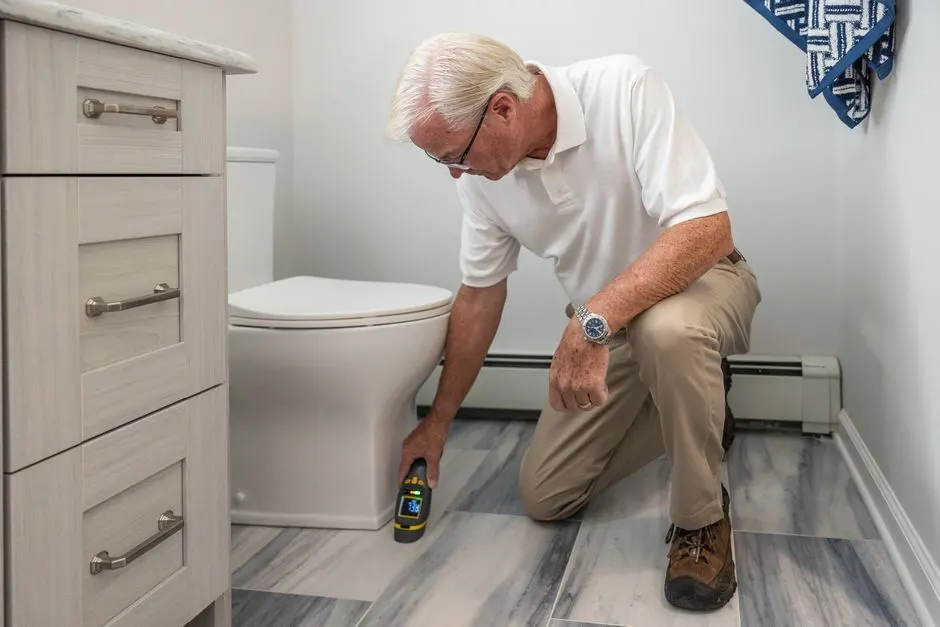
Our Lowry Hill mold inspection and testing work covers single-family homes, rental units, and commercial spaces near Kenwood, East Isles, Loring Park, and Lowry Hill East. A moisture meter and thermal imaging camera help us locate temperature and moisture patterns; a borescope can help inspect a cavity when access is appropriate. We do not treat a single instrument reading as a mold diagnosis. You receive observations tied to the specific rooms, materials, and conditions at your property.

Lowry Hill sits within Hennepin County, and we serve properties in ZIP codes 55403, 55405, and 55408. Minnesota Department of Health mold guidance informs how we communicate findings, while laboratory analysis is used when sampling is part of the inspection plan. We explain the evidence in plain language so you can choose a sensible next step.

  • Locally licensed and insured in Lowry Hill
  • Same-day diagnostics and written estimates
  • Real workmanship warranty in writing
  • Background-checked, in-house technicians

Lowry Hill Mold Inspection Services

Lowry Hill properties call for different inspection plans: a detached historic house with attic staining is not the same job as a multi-unit building with an odor near a shared plumbing wall. We start with a visual review and moisture checks, then recommend sampling only when it helps answer a defined question. If you are searching for residential mold assessment in Lowry Hill MN, we can focus on the affected rooms, adjacent materials, and likely moisture pathways before discussing next steps.

Residential Mold Inspection

Residential Mold Inspection

We inspect Lowry Hill homes for visible growth, water staining, musty odors, and moisture in basements, bathrooms, attics, and living areas. Historic finishes and later renovations can hide different layers of construction, so we record where readings were taken and what materials were accessible. Your findings help distinguish a localized concern from a pattern that needs further investigation.

View Details
Commercial Mold Inspection

Commercial Mold Inspection

For Lowry Hill offices and other commercial spaces, we examine the reported area, adjacent rooms, and moisture conditions that could affect occupants or operations. We coordinate access to relevant spaces and note HVAC or water-entry concerns. You receive a practical record of observations and recommended testing, without treating every discoloration as confirmed mold.

View Details
Mold Testing and Sampling

Mold Testing and Sampling

Sampling in Lowry Hill is selected to answer a specific question, such as whether airborne spores differ between a concern area and a comparison location. We use appropriate air sampling media or surface methods and maintain clear sample identification. Results are interpreted alongside site observations because a laboratory report alone cannot locate a moisture source.

View Details
Air Quality Testing for Mold

Air Quality Testing for Mold

If an odor or irritation concern occurs without visible growth, air testing can provide a snapshot of airborne particles under the conditions present during the visit. In Lowry Hill homes, we consider room use, open windows, recent cleaning, and HVAC operation before collecting samples. We explain what the result can and cannot establish.

View Details
Surface Mold Testing

Surface Mold Testing

Surface sampling helps characterize a suspicious mark on drywall, trim, or another accessible material in a Lowry Hill property. We choose a swab or tape-lift method based on the surface and the question being asked. A sample can identify material collected at that spot, but moisture investigation is still needed to understand why growth appeared.

View Details
Indoor Air Quality Assessment

Indoor Air Quality Assessment

We assess indoor conditions in Lowry Hill residences and commercial spaces when occupants report persistent odors or concerns about dampness. The visit may include humidity readings, visual checks, and targeted particle or mold sampling when appropriate. We relate findings to the rooms and conditions measured rather than making broad claims about an entire building from one reading.

View Details
Mold and Moisture Assessment

Mold and Moisture Assessment

This assessment connects suspected mold with the moisture condition that can support it. In Lowry Hill, we pay particular attention to basement water intrusion, older plumbing, window condensation, and roof or attic clues. Moisture readings are recorded by material and location so you can prioritize drying, repair, or additional testing based on evidence.

View Details
Mold Source Investigation

Mold Source Investigation

When mold returns after cleaning in a Lowry Hill home, we investigate the moisture pathway instead of focusing only on the visible patch. We check nearby materials, plumbing routes, exterior-wall conditions, and accessible cavities where warranted. A borescope may help inspect a limited concealed area, and we explain any access limits before proceeding.

View Details
Mold Inspection for Homebuyers

Mold Inspection for Homebuyers

Lowry Hill homebuyers can use an inspection to investigate staining, musty odors, prior leaks, or damp basement conditions before closing. We document observed conditions and explain whether targeted sampling is useful. Older homes often have layered repairs, so we distinguish current evidence from visible signs of previous work and identify questions for follow-up.

View Details
Pre-Listing Mold Inspection

Pre-Listing Mold Inspection

Before listing a Lowry Hill property, we inspect known moisture concerns so you can understand what is visible and what needs attention. The review can cover an attic, basement, bathroom, or other reported area. Clear documentation helps you discuss findings accurately with prospective buyers without promising that a limited inspection predicts every concealed condition.

View Details
Post-Remediation Mold Inspection

Post-Remediation Mold Inspection

After cleanup at a Lowry Hill property, we review the treated area and surrounding conditions for visible residue, remaining moisture, and signs that the original source persists. We compare the condition with the work area described to us and can recommend clearance sampling when the project requires it. The purpose is to assess observable results, not certify unrelated spaces.

View Details
Mold Clearance Testing

Mold Clearance Testing

Clearance testing can provide documented sampling after remediation in a Lowry Hill home or multi-unit building. We collect samples under the agreed post-work conditions, identify each location, and relate laboratory results to the inspected area. The project plan should specify the clearance criteria and comparison approach before testing begins.

View Details
Mold Testing for Rental Properties

Mold Testing for Rental Properties

For Lowry Hill landlords and tenants, testing can help document a reported odor, leak, or visible growth in a rental unit. We focus on the affected room and relevant shared or adjacent areas, while noting access and operating conditions. A clear report gives both parties a common record of observations and any laboratory findings.

View Details
Basement Mold Inspection

Basement Mold Inspection

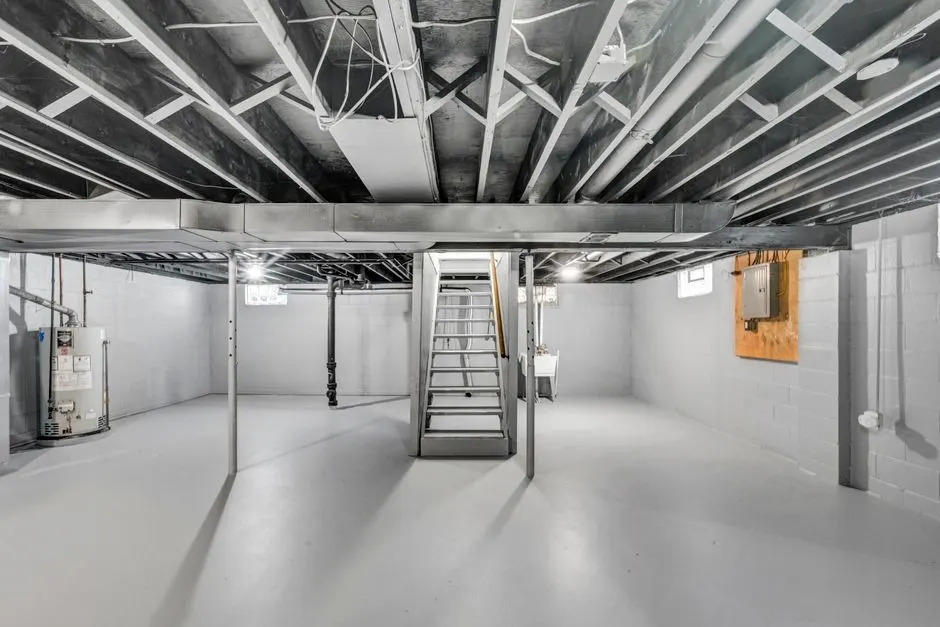
Basement inspections in Lowry Hill consider older foundation construction, plumbing, stored materials, and signs of water entry. We check accessible walls and floor edges, measure moisture where appropriate, and note whether the concern follows rainfall or seasonal changes. You get a room-by-room account rather than a conclusion based on smell alone.

View Details
Attic Mold Inspection

Attic Mold Inspection

We inspect accessible attic areas for staining, damp sheathing, ventilation clues, and signs of roof leaks or ice-dam moisture. Lowry Hill's cold winters make attic conditions worth checking when condensation or recurring roof-edge issues are reported. We document access limits and distinguish observed moisture evidence from assumptions about the cause.

View Details
Crawl Space Mold Inspection

Crawl Space Mold Inspection

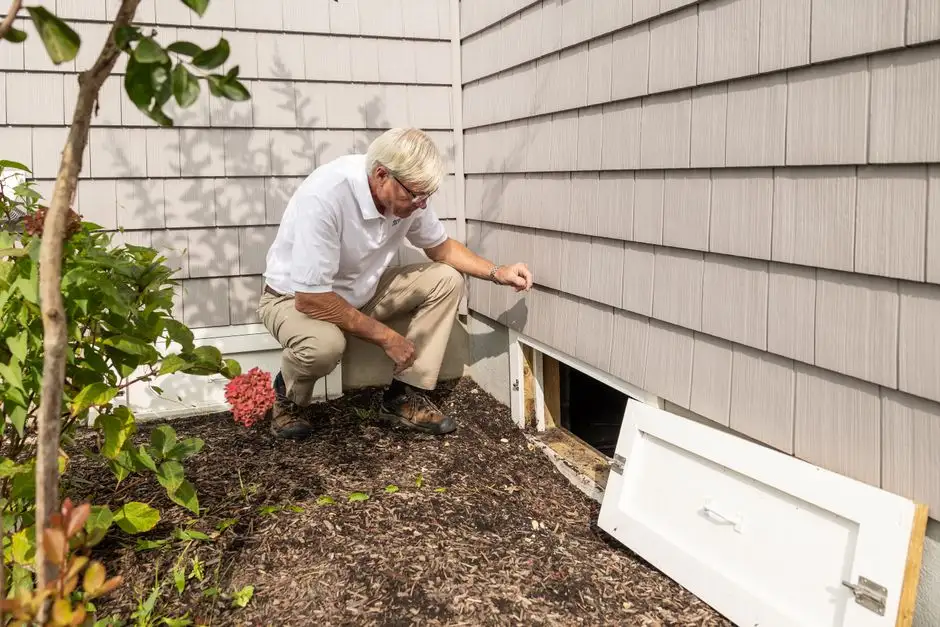
Where a Lowry Hill property has a crawl space, we assess accessible surfaces, moisture conditions, and odors that may extend into occupied rooms. We use suitable protective equipment and avoid disturbing suspect material unnecessarily. Findings include the accessible areas checked and any conditions that require a separate repair or remediation plan.

View Details
Bathroom Mold Inspection

Bathroom Mold Inspection

Bathroom inspections focus on recurring growth around tubs, showers, windows, and plumbing penetrations in Lowry Hill homes and apartments. We look beyond surface staining to check nearby moisture and ventilation conditions. If a mark returns after cleaning, the inspection helps determine whether water is reaching concealed material or the issue is limited to surface condensation.

View Details
HVAC and Duct Mold Inspection

HVAC and Duct Mold Inspection

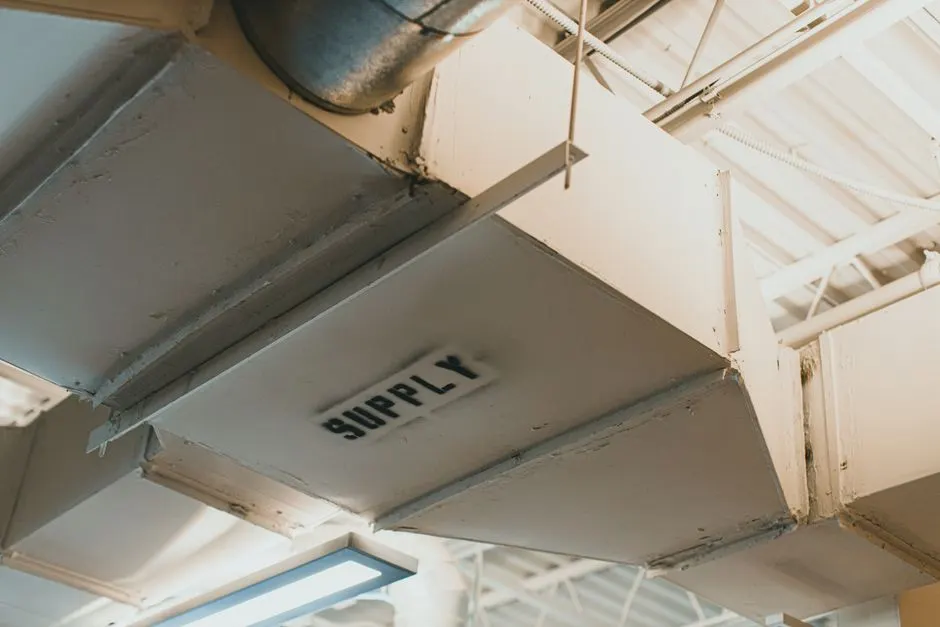
If a Lowry Hill occupant reports odor when heating or cooling starts, we inspect accessible HVAC components and nearby surfaces for moisture or visible contamination concerns. We do not infer duct contamination from a musty room alone. The assessment documents what was accessible and whether further HVAC evaluation or targeted sampling is warranted.

View Details
Water Damage and Mold Assessment

Water Damage and Mold Assessment

After a pipe leak, roof leak, or basement water intrusion in Lowry Hill, we assess affected materials and nearby areas for moisture and visible mold conditions. Where the event is recent, quick documentation helps identify what remains damp. We map readings and observed damage so the owner can direct drying and repair work appropriately.

View Details
Hidden Mold Investigation

Hidden Mold Investigation

A persistent odor or repeated staining can point to hidden mold behind walls, but the cause needs evidence. In Lowry Hill properties, we use moisture mapping and targeted inspection to narrow likely locations before considering limited cavity viewing or sampling. We explain what can be confirmed without opening finishes and what would require additional access.

View Details

Common Lowry Hill Moisture Problems

Lowry Hill mold inspection and testing often begins with a symptom shaped by the area's older housing and Minneapolis weather. Cold winters can contribute to ice dams, attic moisture, and condensation on cold windows; older plumbing and basement construction add other potential moisture routes. Mature trees and landscaped properties can influence drainage observations near foundations, but each property must be assessed on its own evidence. We check moisture, materials, and reported history before identifying a likely concern.

Attic staining after ice dams or roof-edge moisture

Cold winter conditions can contribute to ice dams and water entry near roof edges. In older homes, attic ventilation and insulation history vary, so staining may reflect a past event, current moisture, or condensation. The visible mark alone cannot determine whether mold is active.

Basement dampness near older plumbing or foundation transitions

Older basement construction and plumbing can create more than one possible moisture source. Water may enter at a foundation transition, follow a pipe, or remain from a previous event. Seasonal changes can make a condition intermittent, so a single dry day does not erase the reported history.

Window condensation and surface growth during cold weather

Cold windows and exterior surfaces can collect condensation when indoor air moisture meets a colder surface. Historic windows and later replacements perform differently, and room humidity and airflow also matter. Repeated dampness can leave dark marks on trim or nearby finishes.

Hidden mold behind walls after a leak or repeated repair

A repaired pipe or roof leak can leave moisture in a cavity even after the visible surface dries. Renovated Lowry Hill interiors may have layered finishes that conceal the affected material. Recurring staining or odor can signal that the repair addressed the water source but not all damp building materials.

When to Call for Mold Testing

Call for Mold Inspection and Testing in Lowry Hill when a musty odor persists, visible growth returns after cleaning, or a leak has left building materials damp. Older plumbing and basement construction can make the source less obvious than the surface mark. If you are looking for mold inspection and testing near me in Lowry Hill MN, describe where the concern appears, when it started, and whether it changes after rain, heating, or bathroom use. Those details help focus the visit.

  • Musty odor returns after cleaning

    A recurring odor can indicate ongoing dampness or concealed material that was not addressed by surface cleaning. Note the room, time of day, and whether the smell changes when the HVAC runs. Prompt inspection is useful when the odor follows a known leak or becomes stronger over several days.

  • Water staining spreads on ceiling finishes

    A growing ceiling stain can point to an active or past roof or plumbing leak. In Lowry Hill, attic moisture and ice-dam conditions are worth considering during cold weather, but the stain itself does not identify the source. Arrange assessment soon if the area is soft, wet, or expanding.

  • Window condensation leaves repeated dark marks

    Repeated condensation on cold window surfaces can keep trim or nearby finishes damp. The pattern may be seasonal, but persistent moisture can support surface growth. Record when condensation occurs and whether it affects multiple windows; those details help us evaluate the conditions present during the inspection.

  • Basement wall or floor stays damp

    A damp basement edge, efflorescence, or musty storage area deserves attention, particularly after rain or snowmelt. Mature landscaping can affect foundation drainage, but a proper assessment also checks plumbing and interior moisture evidence. A continuing wet condition should be addressed promptly to limit material damage.

  • Visible growth returns after a repair

    Recurring mold after cleanup often means moisture remains or the original source was not corrected. Repeatedly painting or cleaning the surface can hide evidence without resolving the condition. We inspect the repair area and nearby materials, then recommend targeted sampling only if it answers a specific question.

Landmarks Around Lowry Hill

We use familiar Lowry Hill landmarks to orient arrival and confirm the correct side of the neighborhood, not to infer anything about a property's condition. Lake of the Isles Parkway provides a recognizable reference near the lake, while the Walker Art Center and Minneapolis Sculpture Garden help orient visitors approaching from the east. For every appointment, we confirm the property address and entry instructions with you; landmarks are simply helpful context for navigating nearby streets.

Walker Art Center

The Walker Art Center is a recognizable Minneapolis landmark that helps orient visitors approaching Lowry Hill from the east. It is a navigation reference only; it does not indicate any condition or service history at nearby properties.

Minneapolis Sculpture Garden

The Minneapolis Sculpture Garden sits next to the Walker Art Center and is a clear reference point for locating the eastern side of the Lowry Hill area. We use it only as general orientation before confirming the customer's exact address.

Lake of the Isles

Lake of the Isles is a prominent geographic reference west of central Lowry Hill. The lake and its surrounding streets help visitors understand the neighborhood layout, but proximity to the lake is not treated as evidence of moisture problems.

Coverage across Lowry Hill & Hennepin County

554045540955408554075540655405554035540255401554545545555430554185541955410554115541255413554145541555416554175544055458

Plus surrounding Hennepin County neighborhoods, with same-day routing on most appointments.

Seasonal Mold Concerns in Lowry Hill

As November brings colder conditions, Lowry Hill owners should watch for window condensation, roof-edge ice, and attic moisture. Winter heating can make cold surfaces more vulnerable to condensation, while spring thaw and rain can reveal basement water entry. Summer humidity and fall roof maintenance bring different inspection questions. If you need mold testing after water damage in Lowry Hill, Minnesota, the timing matters: document the leak and affected materials promptly, then assess moisture after the source is controlled.

Spring

Thaw, rain, and changing ground conditions can expose basement seepage or dampness near foundation walls. In Lowry Hill properties with mature landscaping, water movement near the foundation should be observed rather than assumed. A previous winter roof issue may also become more visible as attic materials dry.

Tip: After snowmelt or a heavy rain, note where water appears and photograph new staining. Keep stored items away from damp walls so the inspection can reach the affected surfaces and record moisture accurately.

Summer

Warmer, more humid periods can make basement odors noticeable and affect indoor humidity. Air conditioning can create cold surfaces near supply registers, while plumbing leaks remain possible year-round. A musty smell that strengthens when a basement is closed up deserves a focused inspection.

Tip: Use a hygrometer to track indoor humidity over several days and note the room and time. Do not cover a damp surface with paint or sealant before the moisture source has been evaluated.

Fall

Fall is a useful time to check roof and attic conditions before sustained cold arrives. Wind-driven rain, roof wear, and blocked drainage can leave clues around ceilings and upper walls. In older Lowry Hill homes, prior repairs may make the original water path harder to follow.

Tip: After storms, check ceilings and attic access areas for new staining without disturbing suspect material. Record any leak history and arrange roof maintenance before winter weather complicates access.

Winter

Cold weather can bring condensation on windows and cold surfaces, along with ice-dam-related attic moisture. A small wet area may recur as indoor heating changes surface temperatures. Keep track of whether spotting follows very cold nights or appears after a roof event.

Tip: Dry visible condensation and report recurring damp trim rather than relying on cleaning alone. If an attic stain grows or materials feel wet, contact us for an inspection that documents current conditions.

Lowry Hill Mold Testing FAQs

Real answers from our team for the questions we hear most often before a job starts.

How much does mold inspection cost in Lowry Hill?
A focused inspection commonly costs $250-$550, and inspections with multiple samples often range from $400-$900 in 2026. Price depends on property size, access, number of affected areas, and laboratory work. We explain the cost before starting. For a Lowry Hill mold inspection and testing visit, tell us whether the concern is in a basement, attic, bathroom, or more than one area so we can plan the right scope.
Where can I get mold testing near Lowry Hill?
Minneapolis Mold Testing provides mold testing near Lowry Hill for homes, rentals, and commercial properties in Minneapolis. We serve Lowry Hill and nearby Kenwood, East Isles, Loring Park, and Lowry Hill East. Testing can include air or surface samples when the inspection question supports them. Call +18668968166 to describe the property, the suspected area, and any recent leak or recurring odor.
How soon can a mold inspector visit Lowry Hill?
Same-day appointments are possible when the schedule and property access allow, while many visits are arranged within one to two business days. Call promptly after a leak so damp materials and affected areas can be documented. If you need same-day mold inspection for homes in Lowry Hill, tell us what happened, when it happened, and whether water is still entering the building.
Can I get mold samples collected at my Lowry Hill property?
Yes, we collect air or surface samples at Lowry Hill properties when sampling can answer a defined inspection question. Air sampling commonly uses a HEPA air sampling pump with a spore trap cassette; surface sampling may use a sterile swab or tape-lift. We label sample locations and relate laboratory results to site observations. Independent mold sampling near Lowry Hill is useful when the collection plan and purpose are clear.
What does a mold assessment include in Lowry Hill?
A mold assessment includes a visual review of reported areas, moisture checks, notes on building conditions, and sampling recommendations when justified. A typical visit lasts two to four hours, depending on property size and access. We assess concerns such as basement dampness, attic staining, and window condensation, then document readings and limits. A mold assessment services in Lowry Hill visit is specific to the areas inspected, not a guarantee about concealed spaces.

Book Mold Inspection and Testing in Lowry Hill

If your Lowry Hill home or rental has a persistent odor, visible growth, or moisture after a leak, call Minneapolis Mold Testing at +18668968166. We will discuss the affected area, arrange an inspection, and explain whether testing fits the question. Our service covers Lowry Hill and nearby Minneapolis neighborhoods, with findings tied to the property and conditions inspected.

Call Our Team Send a Message

Contact Minneapolis Mold Testing

Call Minneapolis Mold Testing at +1 866-896-8166 to describe the affected room, recent water events, and any odor or visible growth. Our office hours are Monday through Friday, 8:00 a.m. to 6:00 p.m.; we respond during those hours to arrange the next practical step. We serve Minneapolis, Minnesota, including Hennepin County neighborhoods and nearby ZIP codes.

Or call us right now at +18668968166 — we answer.

Minneapolis Mold Testing


  • Phone

    +18668968166
  • Address

    Minneapolis, Minnesota

  • Hours

    Mon–Fri: 7AM – 7PM
    Sat: 8AM – 4PM
    Sun: Emergency Only
    24/7 Emergency Available

Call +18668968166 Get Quote
Call Quote